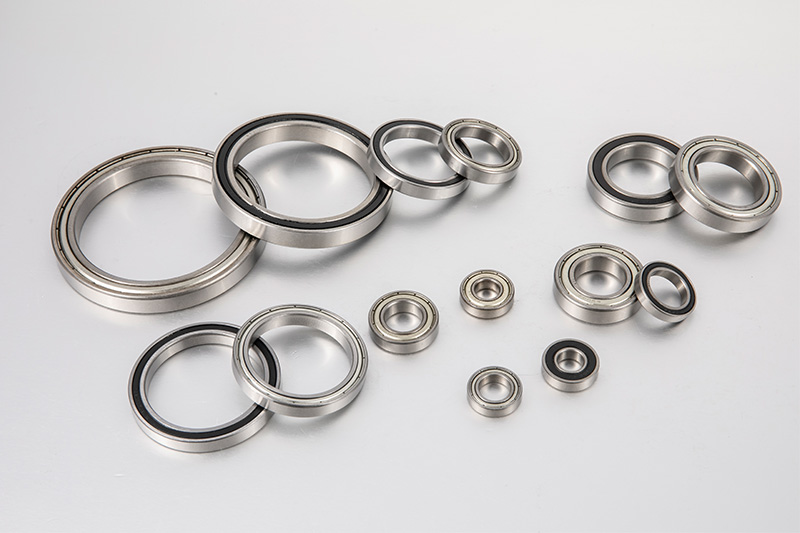
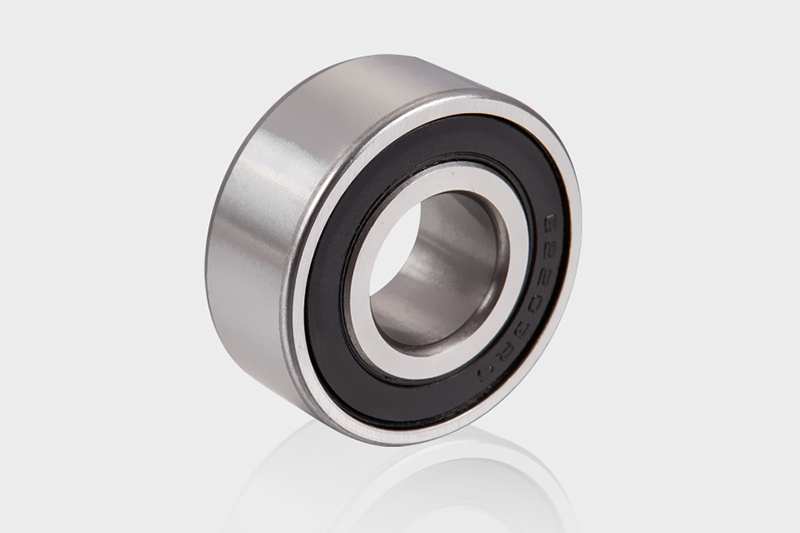
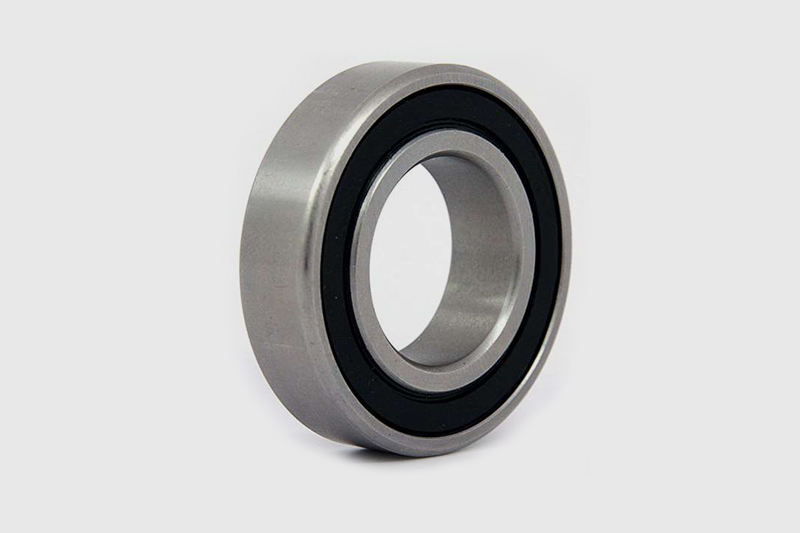
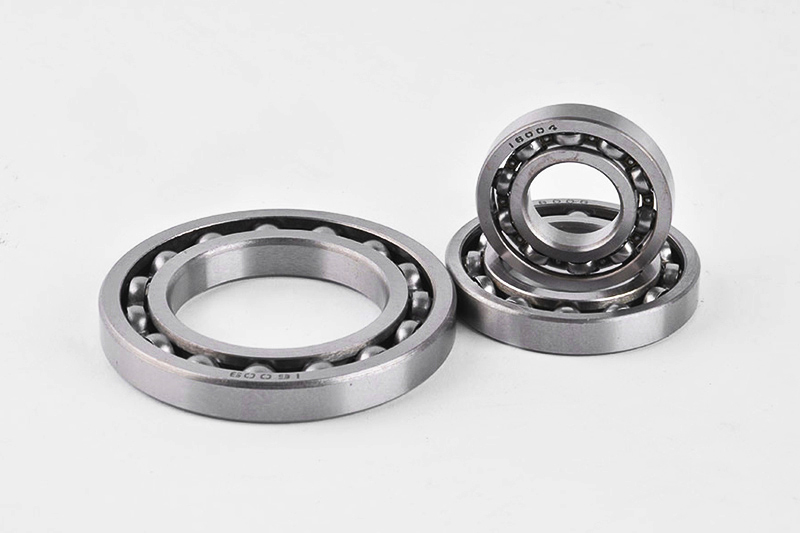
Series 1600 Chrome Steel Deep Groove Ball Bearing
Product Overview The Series 1600 Deep Groove Ball ...




Content
Linear motion systems look simple when they are new: a rail, a carriage, a motor, and a guide. But when a machine starts vibrating, skipping, or wearing out after only a few months, the cause can often be traced back to sizing and selection decisions made before the first component was ever ordered. The conclusion from decades of machine design experience is clear: you cannot size a linear motion system by load capacity alone. You need a structured method that covers all of the operating conditions, and you need bearings that are matched to those conditions.
LOSTPED is an acronym that captures the seven essential factors: Load, Orientation, Speed, Travel, Precision, Environment, and Duty cycle. It is a proven framework because it forces the designer to look at the system as a whole. Each factor is easy to overlook individually, but together they determine the stresses that the bearings, rails, and drive components must handle. The table below summarises what each factor asks you to define before you begin calculating.
| Factor | Key question | Impact on selection |
|---|---|---|
| Load | What weight and external forces will the system carry? | Determines bearing size, rail size, and drive torque. |
| Orientation | Is the axis horizontal, vertical, or angled? | Changes how gravity adds to or subtracts from the load. |
| Speed | What maximum and average speeds are required? | Affects inertia, acceleration torque, and bearing speed limits. |
| Travel | What is the total stroke length? | Determines rail length, cable management, and flex. |
| Precision | What positional repeatability is needed? | Drives tolerance class, preload, and rail straightness. |
| Environment | Dust, moisture, temperature, chemicals? | Selects seals, coatings, and lubrication. |
| Duty cycle | How many cycles per hour, and how many hours per day? | Controls fatigue life and maintenance intervals. |
Load is not just the mass being moved. It includes cutting forces, clamping forces, acceleration forces, and any off-center moments. A common mistake is to use the steady-state weight only, forgetting that acceleration can double or triple the effective force on the carriage. Orientation matters because a vertical axis has gravity adding to the load on the downward stroke and subtracting on the upward stroke; a horizontal axis distributes load differently across the carriage. For a compact prismatic axis, the rolling elements carry most of the load, and that is where a linear bearing designed for smooth, low-friction motion directly improves repeatability and reduces drive torque.
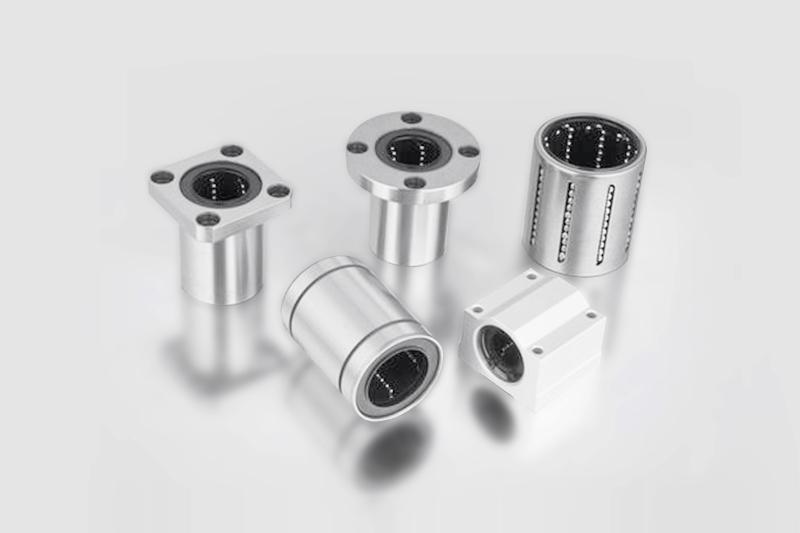 Wholesale linear bearings Factory, Manufacturers - Ningbo Sanya Bearing Co., LtdNingbo Sanya Bearing Co., Ltd is China Wholesale linear bearings Manufacturers and linear bearings Factory,View Product →
Speed affects the inertia forces during acceleration and deceleration. A carriage moving at 2 m/s with a 50 kg payload requires a significantly higher drive force than the same unit moving at 0.2 m/s. That drive force has to be transmitted through the bearing or guide elements, so higher speeds usually demand larger bearings and tighter tolerances. Travel length changes the bending moment on the rail and the required straightness. A long stroke also introduces practical concerns about cable management and support. Precision is not a single number: it includes positioning accuracy, repeatability, and backlash. A system that only needs 0.1 mm repeatability will not require the same tolerance class as one that needs 0.01 mm. Defining the precision class early prevents paying for a grade of guide that is much more expensive than the process needs.
Dirt, coolant, temperature swings, and washdown chemicals attack bearing surfaces. A sealed bearing with the correct grease will survive far longer than an open one in a dusty plant. Linear guides are common in conveyor system bearings, where dust and shock loads are constant; the same reasoning applies to any linear axis. Many guide wheels use 6000-series double-contact-sealed deep groove ball bearings specifically because their seals protect the rolling elements from contamination. Duty cycle matters because fatigue life is a function of accumulated stress; a machine that runs three shifts will need a larger bearing than one that runs intermittently. The environment also affects lubrication choice: food-grade grease, low-temperature grease, and high-temperature grease are not interchangeable.
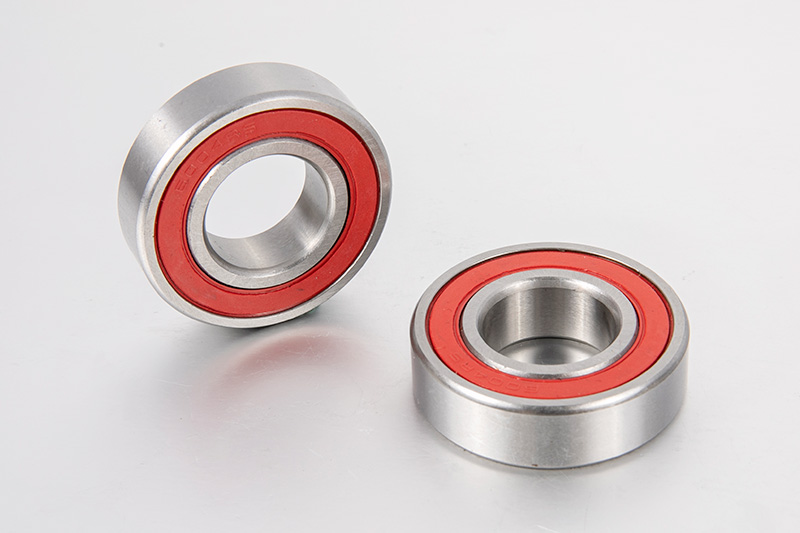 Wholesale Series 6000 Two Contact Seals Deep Groove Ball Bearing Factory, ManufaNingbo Sanya Bearing Co., Ltd is China Wholesale Series 6000 Two Contact Seals Deep Groove Ball Bearing Manufacturers and Series 6000 Two...View Product →
Once the LOSTPED factors are defined, you can move from qualitative selection to quantitative sizing. The general process follows these steps:
Because the L10 life is expressed in distance or cycles, you need to convert it into hours using your speed and duty cycle. Many field failures are not caused by wrong formulas but by wrong inputs: a load value that omits acceleration, an orientation that ignores gravity, or a duty cycle that assumes perfect conditions. Always re-evaluate the static safety factor under the worst-case stationary load. Also consider the contact factor: when two rails are mounted side by side and the load distribution is not perfectly balanced, the effective capacity of each rail is lower than the catalogue value. If you are using a single rail with two blocks, the moment capacity of the rail becomes the controlling factor.
Selection does not end at the catalogue number. Installation tolerances determine whether the selected system performs as calculated. The rail must be mounted on a machined surface that meets the specified flatness. The carriage bolts must be torqued in the correct sequence, and the two rails must be parallel within the manufacturer’s allowance. Misalignment creates edge loading, which can reduce the calculated life by an order of magnitude. Before finalising the design, confirm that the mounting surface is rigid enough. Consider the recommended fixing methods: push plates, set screws, and tapered gibs all have different stiffness and adjustability. A few minutes spent on the mounting drawing saves hours of field correction later.
Even a carefully sized linear guide will perform poorly if the bearing inside it is not matched to the application. That is why a knowledgeable bearing supplier is a practical asset during the design phase. A manufacturer with in-house design, automated production, and ISO/TS16949 quality systems can help you select from standard series or specify non-standard bores, seals, and materials. For applications that need a self-locking bearing in a housing, an UC series set-screw locking insert bearing is a good example of a component that combines mounting simplicity and reliable torque transmission. Similarly, a supplier that also produces electric motor bearings tends to understand speed limits, temperature rise, and vibration control, which are the same concerns in linear motion. A company with export experience over 50 countries is also likely to support international machine builders with consistent quality and documentation.
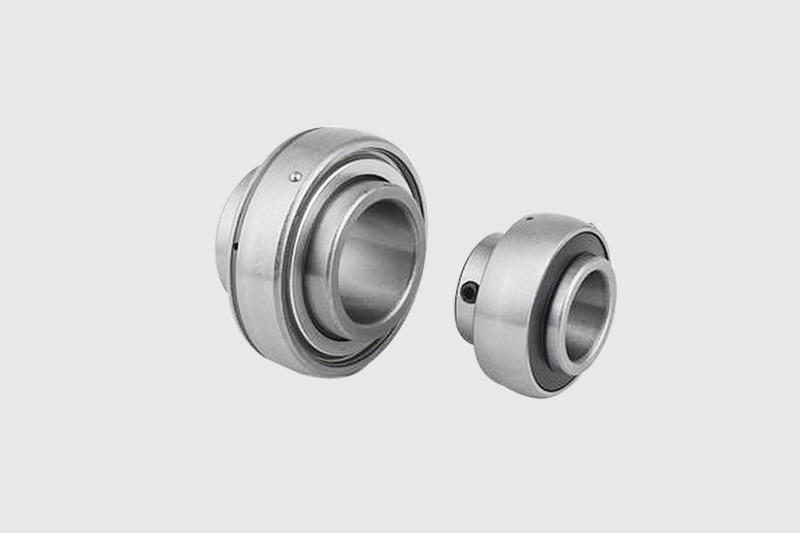 Wholesale UC Set Screw Locking Insert Bearing Series Factory, Manufacturers - NiNingbo Sanya Bearing Co., Ltd is China Wholesale UC Set Screw Locking Insert Bearing Series Manufacturers and UC Set Screw Locking Insert...View Product →
The most reliable way to size and select a linear motion system is to combine a structured framework like LOSTPED with careful calculation and honest manufacturing input. Define the load, orientation, speed, travel, precision, environment, and duty cycle before you look at catalogues. Translate those inputs into an equivalent load, calculate the required dynamic rating, verify the static safety factor, then choose bearings and rails that can be installed within your real machine tolerances. When you do that, the linear system will perform as intended, and the bearings inside it will last.

Product Overview The Series 1600 Deep Groove Ball ...
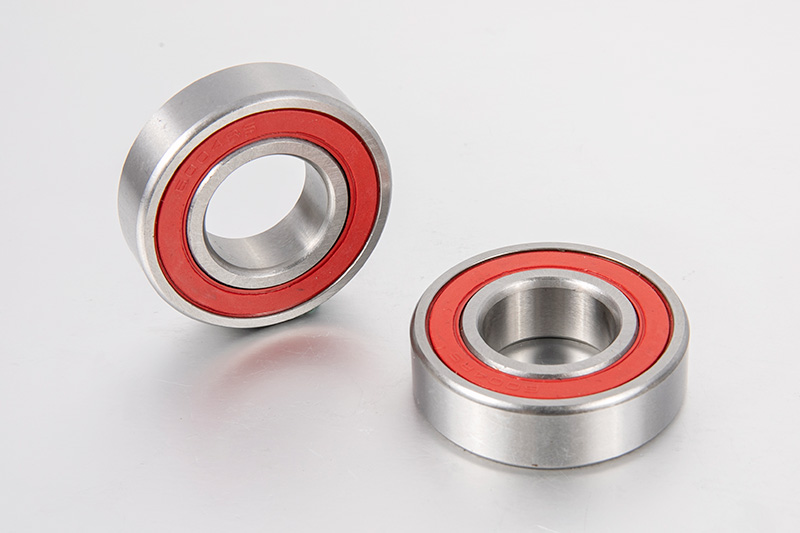
Key Features & Benefits 1. Superior Sealing Pe...

Product Overview:The 6200 Series Deep Groove Ball ...
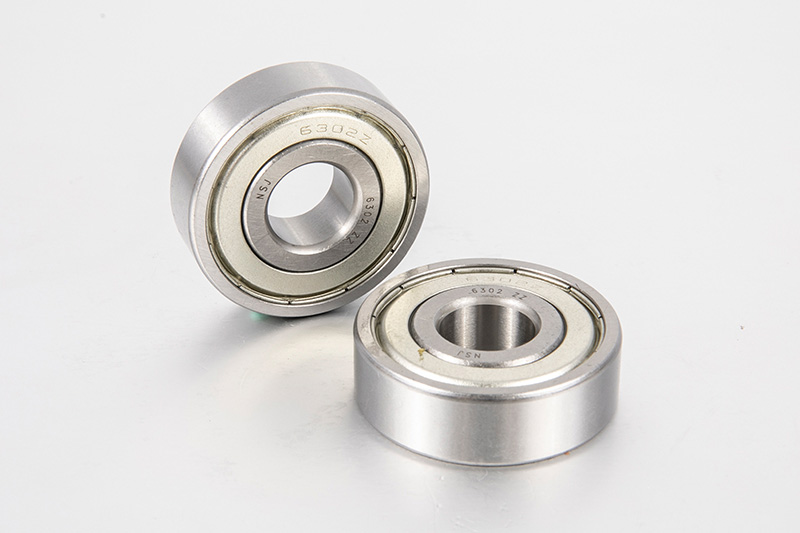
Core Differentiators: Enhanced Load Capacity: Unl...
Core Technical Advantages: Maximum Space Efficien...