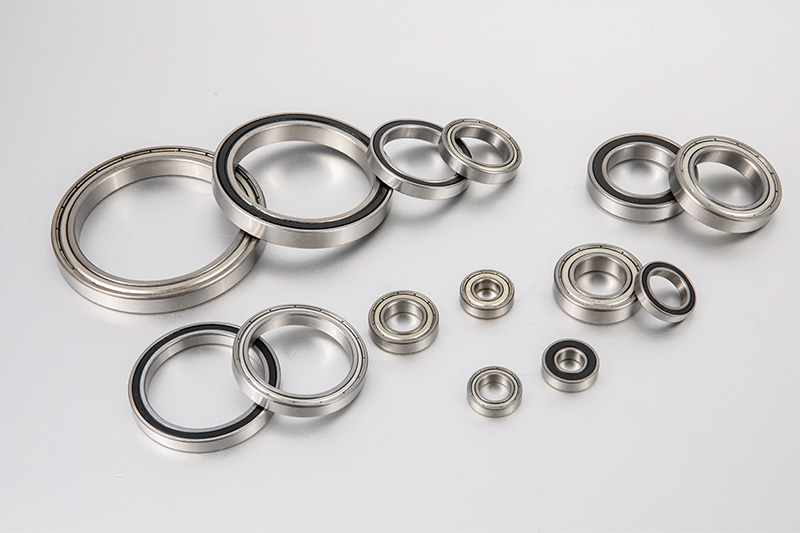
Series 1600 Chrome Steel Deep Groove Ball Bearing
Product Overview The Series 1600 Deep Groove Ball ...




Content
If your work touches coal, whether in a mine, a preparation plant, a power station or a port terminal, you already know the equipment around you never really stops. Belt conveyors run for kilometres, crushers take whatever the mine sends up, and pulverizers grind coal finer than flour. Every one of those machines turns on bearings, and those bearings work in one of the least forgiving environments in heavy industry.
What follows is a practical look at bearings for the coal industry: the conditions they face, which types fit which machines, how to select them, and how to make them last. It reflects what we have learned at Ningbo Sanya Bearing since 1994, supplying bearings to equipment builders and maintenance teams in more than fifty countries.
Coal is not just a fuel, it is also an abrasive. Dust from a few microns up to a few millimetres is generated at every transfer point, and it finds its way into places that were never meant to see it. Add shock loading, heat and moisture, and you have an operating envelope that punishes any weak point in a bearing or its housing.
Different machines load their bearings in different ways, so the right answer for a conveyor pulley is not the right answer for a pulverizer. The table below is a simplified map that plant engineers often find useful as a starting point.
| Equipment | Common bearing families | Driving conditions |
|---|---|---|
| Belt conveyors, idlers, drive and take-up pulleys | Deep groove ball bearings, insert bearings in pillow block and flange units | Dust, misalignment, long unattended life |
| Crushers and sizers | Spherical roller bearings, tapered roller bearings | Heavy shock, high radial load |
| Pulverizers and ball mills | Cylindrical and spherical roller bearings, thrust bearings | Heat, combined loads, slow rotation |
| Vibrating screens and feeders | Spherical roller bearings | Continuous shock and vibration |
| Slurry pumps and process fans | Deep groove and angular contact ball bearings | Moisture, higher speed, light contamination |
| Gearboxes and drive trains | Cylindrical, tapered and deep groove bearings | Combined loads, lubrication quality |
| Stacker-reclaimers, wagon tipplers, rail equipment | Large housed units, pillow block units | Slow rotation, dirt, weather exposure |
These are the bearings you will find in motors, fans, small pumps, idler rolls and the many auxiliary drives that keep a plant running. They handle radial and moderate axial loads at speed, run with low friction, and are available with seals or shields that keep coarse dust out. Because they are made in huge volumes, they are also the most economical choice wherever the load is moderate. We produce them in bores from 3 mm to 100 mm, including sealed variants that suit dusty service.
Conveyors are the backbone of any coal handling system, and insert bearings are the backbone of conveyors. A wide inner ring allows the bearing to sit on a commercial shaft, a set screw or locking collar holds it in place, and the spherical outer diameter lets the housed unit compensate for the frame flex that every long conveyor has. Re-greasable designs are worth specifying for drives and take-up pulleys, where you can actually reach the fitting. If your coal is washed or your plant is coastal, stainless and thermoplastic housings are often a better answer than painted cast iron.
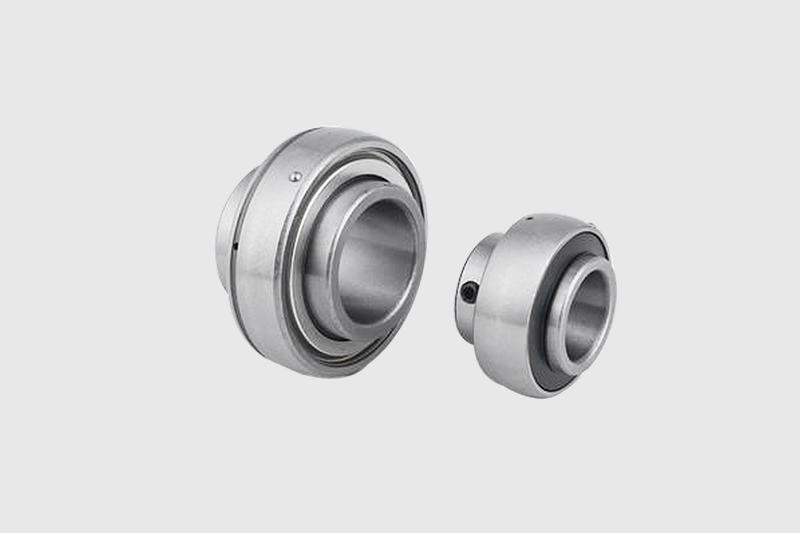 UC Set Screw Locking Insert Bearing SeriesFor conveyor shafts, this relubricable UC series uses double set screws and chrome steel GCr15, with bore sizes from 12 mm to 90 mm.View Product →
For the housed side of the same application, the pillow block and flange families cover the usual mounting patterns, so a maintenance team can standardise spares across an entire conveyor line rather than carrying a different part for every station.
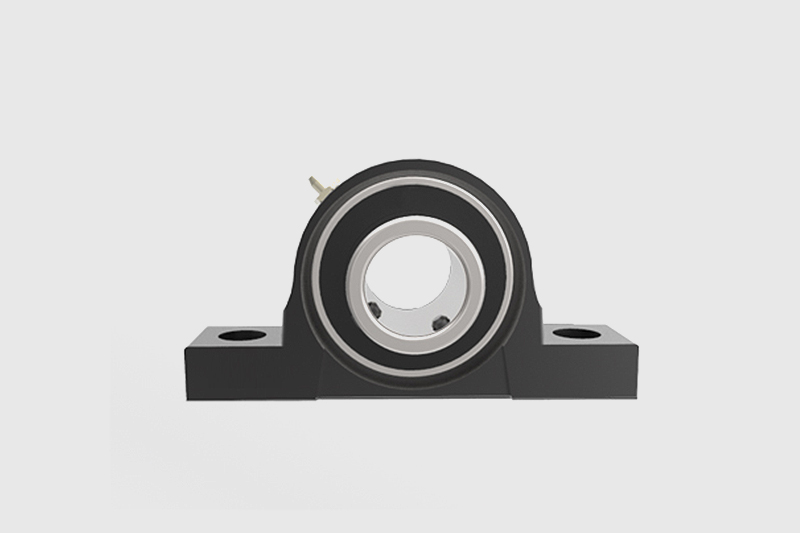 UCP Series Pillow Block Bearing UnitsThese housed units cover UCP 201–218 and inch variants, with HT200 or QT450-10 housings and grease fittings for conveyor-line spare standardisation.View Product →
Crushers, sizers, mills and screens demand more than a ball bearing can give. Spherical roller bearings are the classic choice because their self-aligning geometry tolerates the shaft deflection that comes with heavy, uneven loading. Tapered roller bearings handle combined radial and axial loads well, which is why they appear in gearboxes and drive trains. Cylindrical roller bearings offer high radial capacity with low friction, and thrust bearings support the vertical shafts found in some mill and classifier arrangements.
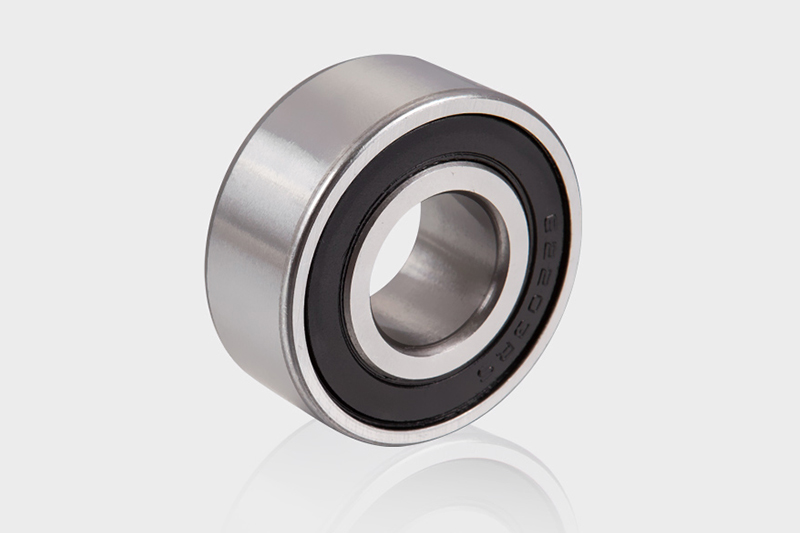
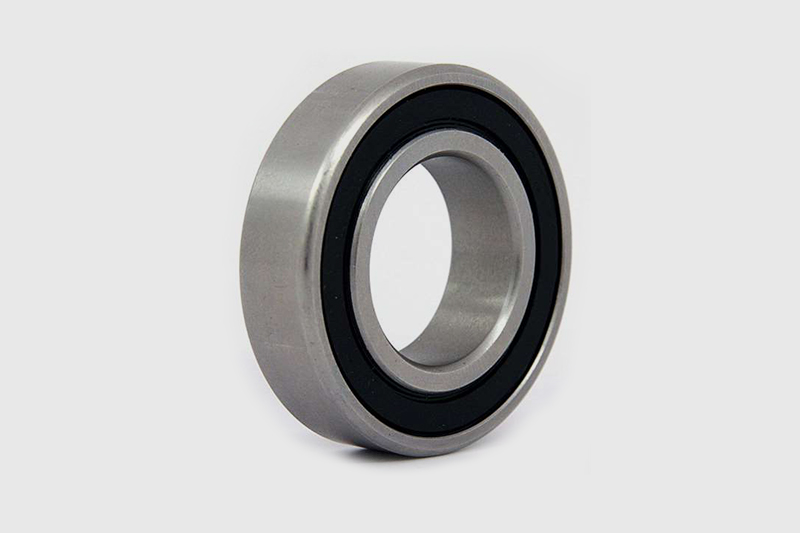
 6200 Series Deep Groove Ball BearingsFor high-speed, low-load transmission, these GCr15 bearings span 6200–6220 and 62/22/62/28 with open, ZZ, 2RS, N and NR options.View Product →
A bearing number on an old drawing is a starting point, not an answer. When we work through a coal application with a customer, the same questions come up every time.
Our own conveyor system bearings page covers the conveyor side of this in more detail, since that is where the largest number of bearings in a coal plant sit.
In a coal plant, most premature failures are not manufacturing defects. They are contaminated lubricant, wrong grease, or a bearing installed without care. A few habits make a real difference.
When a bearing does come out, look at it. Wear on one side of the outer ring suggests misalignment, rust marks point to moisture, and dark, hardened grease points to overheating. Each of these tells you what to change next time.
Ningbo Sanya Bearing has been making bearings in the Yangtze River Delta since 1994. We build deep groove ball bearings and insert bearings, along with the housed units and roller families that heavy equipment needs, and we supply them to distributors, OEMs and plant maintenance groups worldwide. Our production runs on automated equipment, our quality system has been certified to ISO9001 and, since 2017, to ISO/TS16949 for wider industrial applications.
Beyond catalogue parts, we design and manufacture non-standard bearings to customer drawings, which is often the practical route when an older crusher or an imported gearbox needs a replacement that is no longer available off the shelf. If you are working through a coal handling application, our mining equipment bearings overview is a good place to start, and our engineers are happy to review your drawings and operating conditions before you commit to a specification.
In terms of sheer quantity, deep groove ball bearings and insert bearings in housed units, simply because there are so many conveyors, idlers, pumps and fans. In terms of load severity, spherical roller bearings do the hardest work in crushers, mills and screens.
There is no universal interval. It depends on dust levels, temperature, speed and grease type, and the practical approach is to start from the manufacturer's recommendation, then adjust based on what you find during inspections.
Usually not special bearings, but the right sealing and lubrication for the environment. Contact seals, proper grease selection and a housing that compensates for misalignment solve most dust problems in coal service.
Bearings for the coal industry are not glamorous components, but they decide how much of a plant's uptime you actually get. Choose the type that matches the load, seal it against the dirt, lubricate it for the heat it will see, and install it with the care you would give any precision part. Do those four things consistently, and the equipment around you will keep moving coal for a long time.

Product Overview The Series 1600 Deep Groove Ball ...
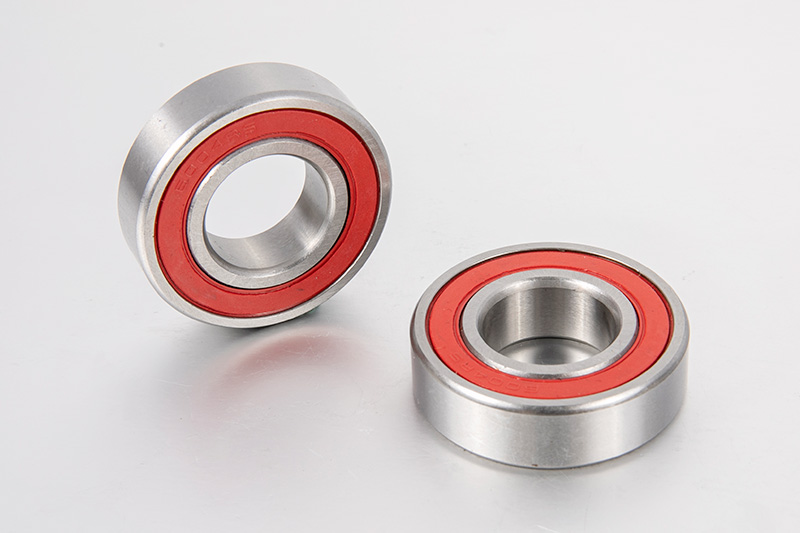
Key Features & Benefits 1. Superior Sealing Pe...

Product Overview:The 6200 Series Deep Groove Ball ...
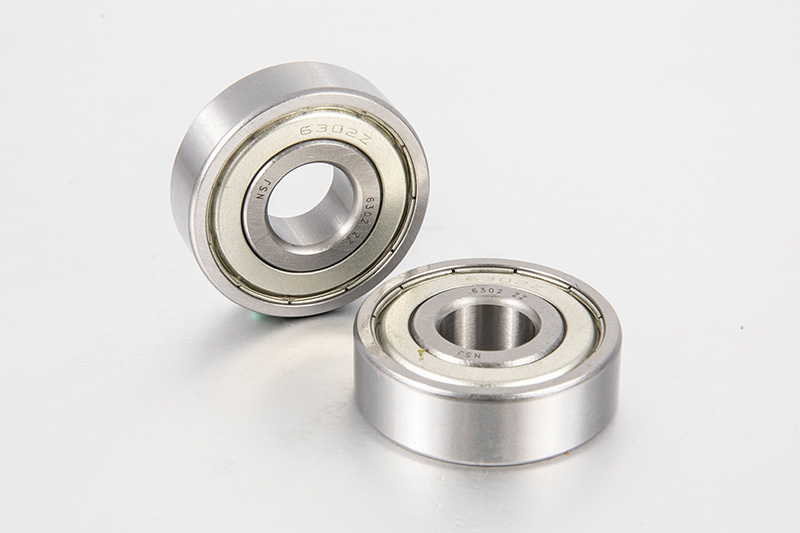
Core Differentiators: Enhanced Load Capacity: Unl...
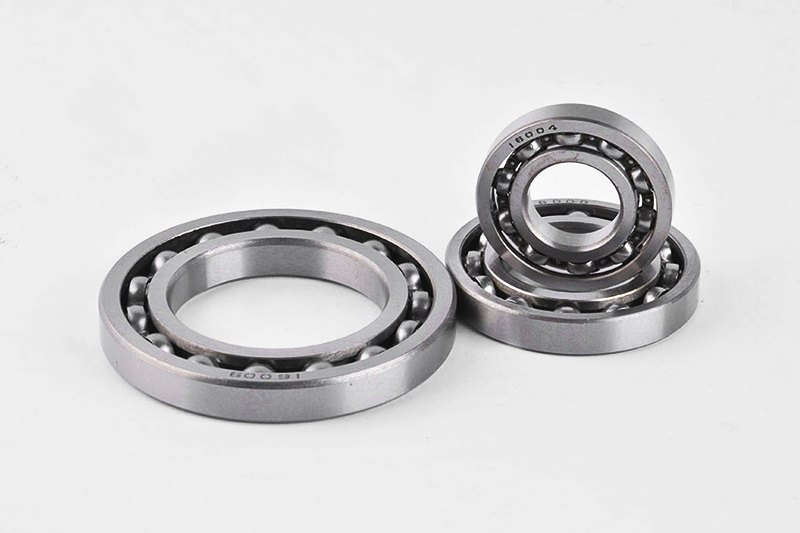
Core Technical Advantages: Maximum Space Efficien...