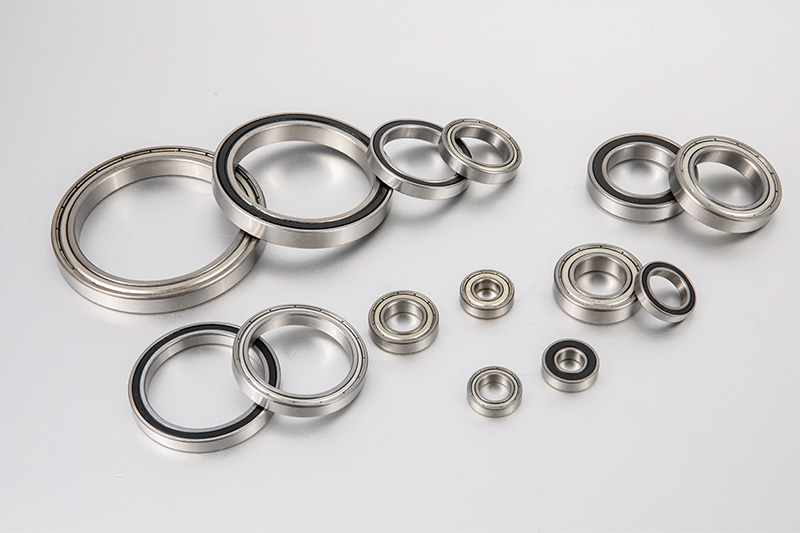
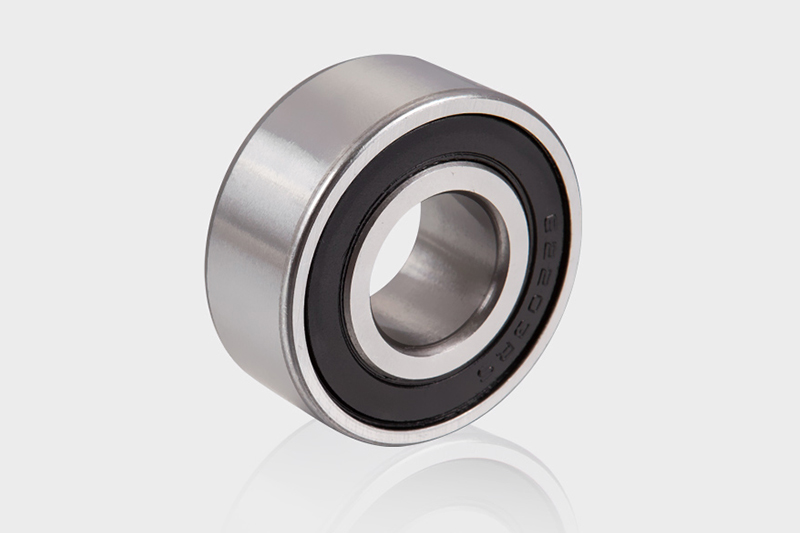
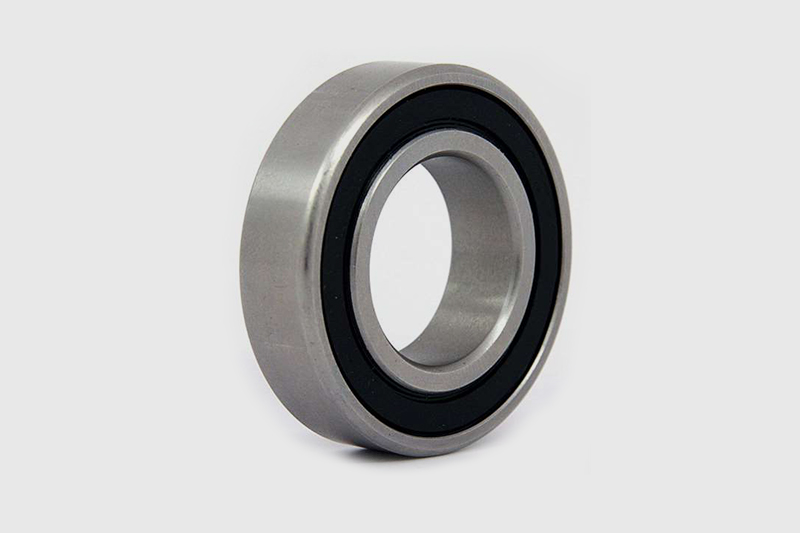
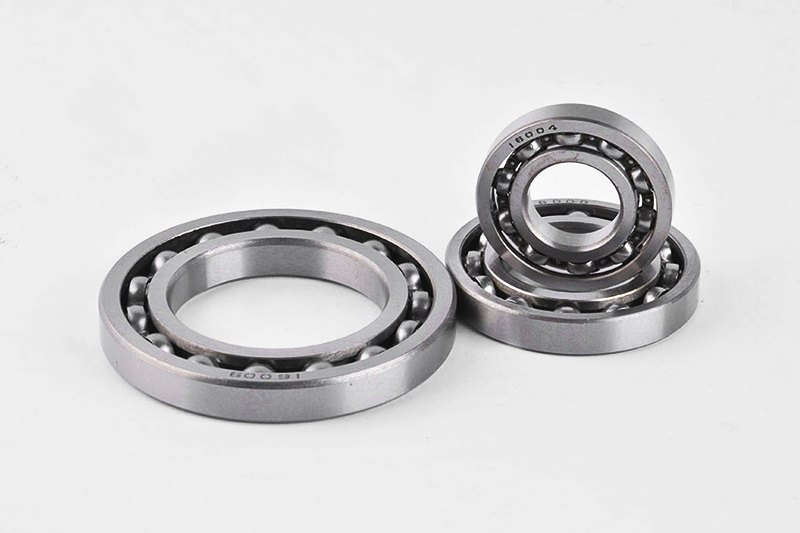
Series 1600 Chrome Steel Deep Groove Ball Bearing
Product Overview The Series 1600 Deep Groove Ball ...




Content
Bearings rarely fail because the steel was wrong. They fail because the fit was wrong, and the fit begins with numbers. A bearing dimension calculator exists to make those numbers quick to check: it converts a designation such as 6204 into a bore, an outside diameter and a width, or works in reverse when all you have is a shaft and a housing in front of you.
We have been manufacturing deep groove ball bearings and insert bearings since 1994, and the same three questions still arrive every week. This guide answers them, explains the arithmetic behind a dimension calculator, and points out the places where a calculator stops and experience takes over.
Strip away the interface and almost every calculator performs one of three jobs:
The third job is where confusion usually starts. Bore diameter is shared across families, but outside diameter and width are not, so a calculator that compares only bore sizes will cheerfully suggest a part that will never enter your housing.
Two more numbers matter during assembly even though most calculators ignore them. The corner radius (r) decides whether the bearing sits flat against a shoulder, and the minimum shoulder diameter tells you how much of the shaft actually supports the inner ring.
The last two digits of a metric bearing designation normally give the bore, and the rule is simple: multiply by five. A 6204 has a 20 mm bore (4 x 5 = 20); a 6308 has a 40 mm bore (8 x 5 = 40). Three codes break that pattern, and every dimension calculator hard-codes the exceptions: 00 means 10 mm, 01 means 12 mm, 02 means 15 mm and 03 means 17 mm.
Codes containing a slash are even more direct. A 62/22 has a 22 mm bore with no multiplication involved. This shorthand appears most often on small and thin-section bearings where a standard series does not exist.
| Designation | Bore code | Bore (mm) | Outside diameter (mm) | Width (mm) |
|---|---|---|---|---|
| 6000 | 00 exception | 10 | 26 | 8 |
| 6001 | 01 exception | 12 | 28 | 8 |
| 6202 | 02 exception | 15 | 35 | 11 |
| 6204 | 4 x 5 | 20 | 47 | 14 |
| 6205 | 5 x 5 | 25 | 52 | 15 |
| 6305 | 5 x 5 | 25 | 62 | 17 |
| 6308 | 8 x 5 | 40 | 90 | 23 |
Those figures are worth remembering, not because a calculator cannot produce them, but because pattern recognition saves time when you are checking a drawing in a meeting.
Once the bore is fixed, the remaining digits decide the outside diameter and the width. In 6204, the leading 6 identifies a deep groove ball bearing, the 2 places it in the light dimension series, and 04 supplies the bore. Change the middle digit and the same 20 mm shaft suddenly needs a much larger housing: a 6304 measures 20 mm by 52 mm by 15 mm, while the 6204 measures 20 mm by 47 mm by 14 mm.
Other families use different numbering systems, and this is where a calculator earns its place:
The bore logic survives across metric families. The outside diameter does not.
Imagine a customer emails a photograph of a bearing with 6000-2RS stamped on the seal and asks for a replacement. Run the calculator logic by hand:
The seal is the subtle part. A sealed bearing shares boundary dimensions with an open one, yet seal lips and shield profiles differ slightly between designs, and a metal shield produces a different friction figure from a rubber seal.
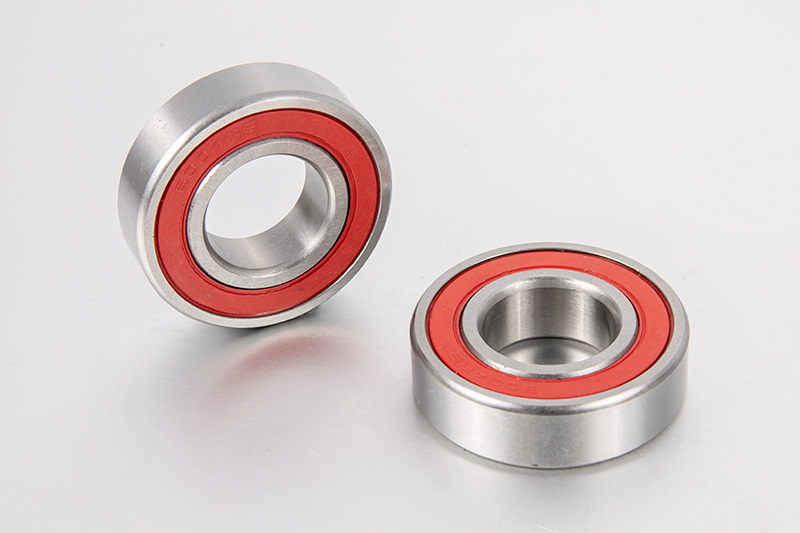 Series 6000 Two Contact Seals Deep Groove Ball Bearing1. Superior Sealing Performance: Total Protection Against ContaminationView Product →
Insert bearings are the classic case where a dimension calculator is necessary but not sufficient. A UC205 insert has a 25 mm bore and a spherical outside diameter that allows it to self-align inside a housing. That outside diameter is not the same as a 6205 ball bearing, and the housing adds an entirely new set of numbers: overall height, bolt hole centre distance, base width and housing material.
This is why UCP205, UCF205 and UCFL205 all share one insert yet carry completely different mounting dimensions. If you are choosing a unit rather than a bearing, start from the bolt pattern and work back toward the bore.
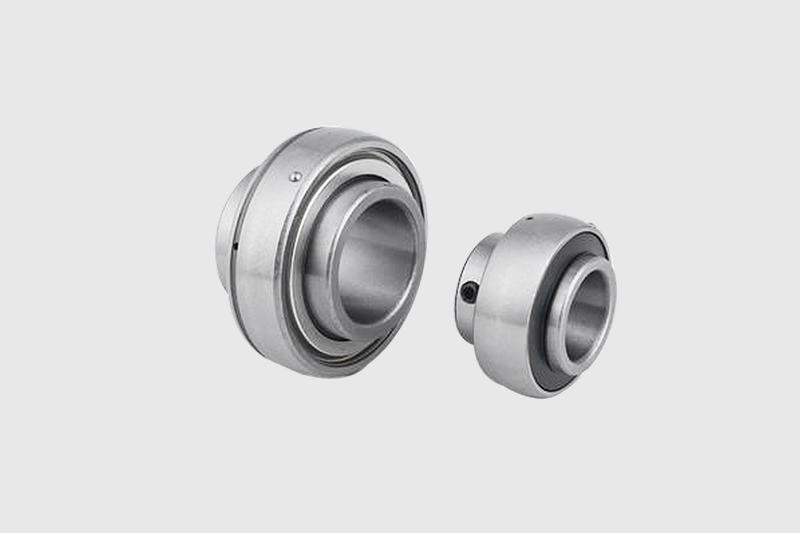 UC Set Screw Locking Insert Bearing SeriesUC Set Screw Locking Insert Bearing is a widely used mounted bearing unit designed for reliable shaft positioning and stable operation in various industrial applicatio...View Product →
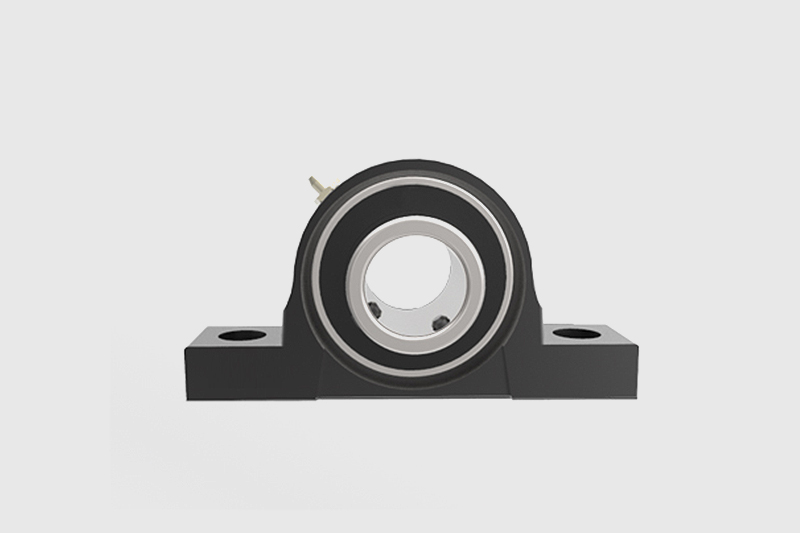 Pillow Block Units: UCP seriesHT200 or QT450-10, QT450-10 is only for PFTD2 series and FCT2 series.View Product →
Bore, outside diameter and width tell you whether a bearing fits. They do not tell you whether it will work.
Think of a bearing dimension calculator as a translator rather than an oracle. It converts the shorthand stamped on a seal into millimetres you can verify, and it converts your measurements back into a part number you can order. Everything afterwards, including fit, clearance, lubrication and speed, is engineering, and that is where a supplier's experience matters as much as the chart.
We have been building bearings since 1994 and shipping them to more than fifty countries, and the questions have barely changed in that time. If a measurement and a designation refuse to agree, send both to us and we will work through it with you.

Product Overview The Series 1600 Deep Groove Ball ...
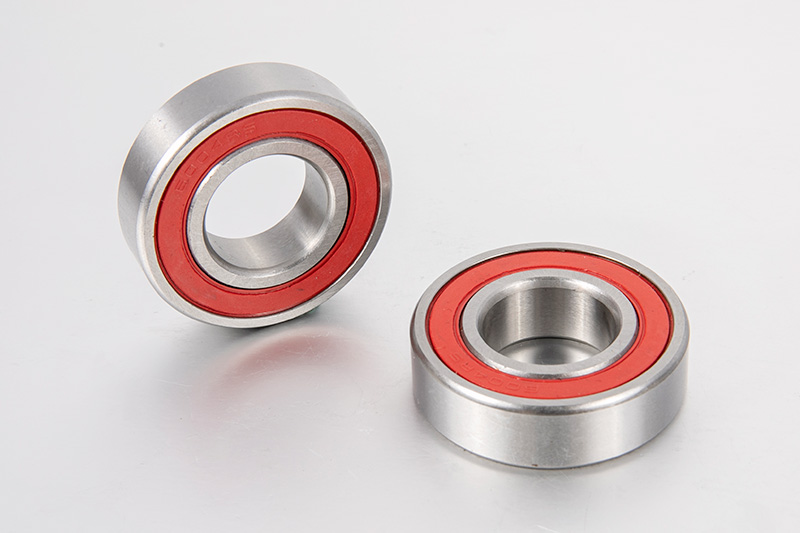
Key Features & Benefits 1. Superior Sealing Pe...

Product Overview:The 6200 Series Deep Groove Ball ...
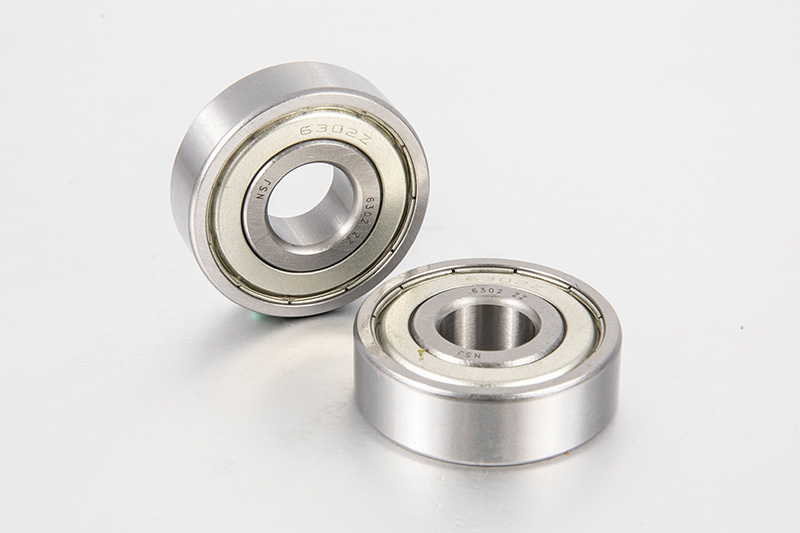
Core Differentiators: Enhanced Load Capacity: Unl...
Core Technical Advantages: Maximum Space Efficien...