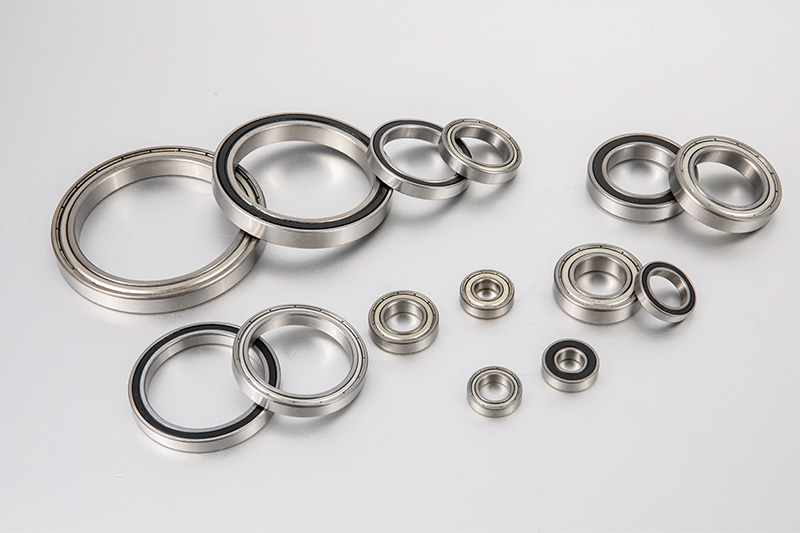
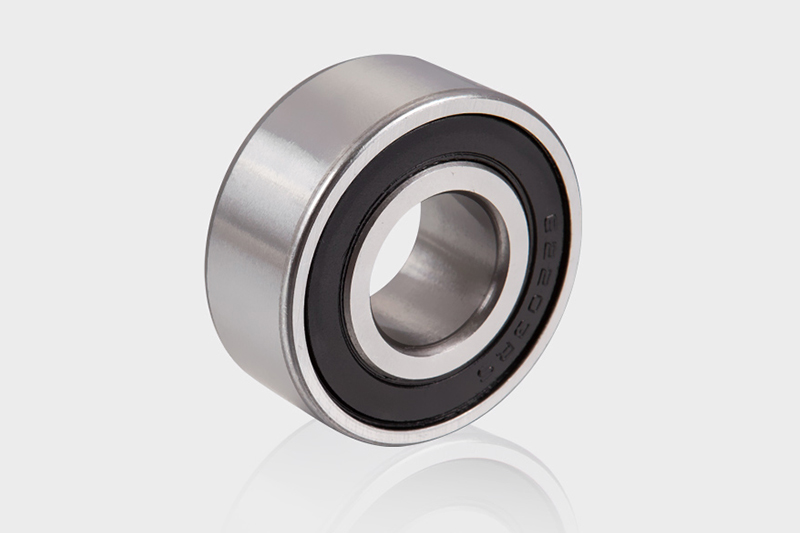
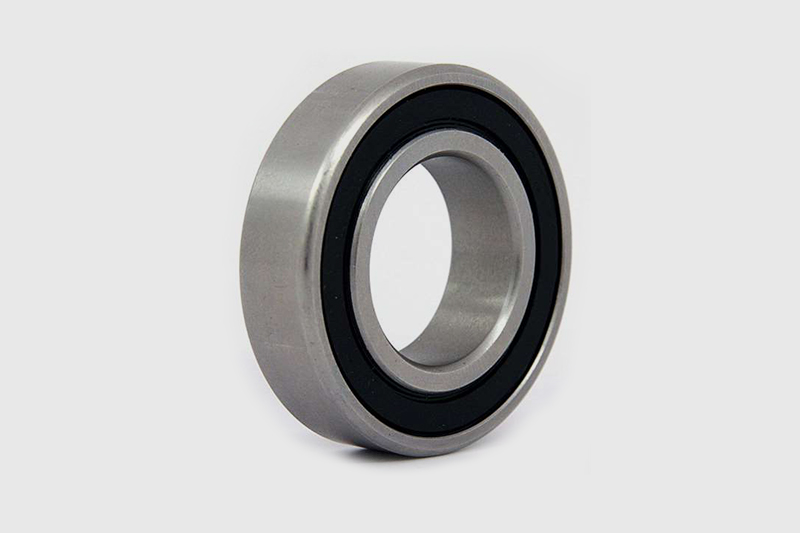
Series 1600 Chrome Steel Deep Groove Ball Bearing
Product Overview The Series 1600 Deep Groove Ball ...




Content
In over three decades of manufacturing precision bearings at Ningbo Sanya Bearing Co., Ltd., we have learned that the contact angle is one of the most critical design parameters for angular contact ball bearings. It defines how a bearing handles combined radial and axial loads and directly influences the performance of motors, pumps, gearboxes, and many other rotating machines. In this article, we will break down what bearing contact angle means, why it matters, and how to select the right angle for your application – drawing on our hands‑on experience producing thousands of bearing variants for customers around the world.
The contact angle is defined as the angle between a line perpendicular to the bearing axis and the line connecting the two points where the ball contacts the inner and outer raceways. In a standard deep groove ball bearing, this angle is small – typically between 5° and 10° under load – which gives it limited axial capacity. However, in specially designed angular contact ball bearings, the contact angle is deliberately made larger, usually between 15° and 40° (sometimes even 60° for special applications). A larger contact angle means the ball‑raceway contact is positioned further from the radial plane, allowing the bearing to sustain significant unidirectional axial loads.
The contact angle is not a fixed value during operation. It increases with axial load and decreases with radial load. Manufacturers measure the “free static contact angle” when the bearing is unloaded, which is the angle marked in the bearing designation (e.g., 15°, 25°, 30°). This design angle governs how the bearing will perform under typical working conditions. At our bearing blog, we discuss practical tips for minimizing rolling resistance in angular contact bearings, which is closely tied to contact angle selection.
The contact angle is a trade‑off between axial load capacity and speed capability. A higher contact angle increases the axial load rating but reduces the bearing’s ability to run at high speeds because the ball spins faster relative to the raceway, generating more heat. Conversely, a lower contact angle allows higher speeds but limits axial thrust capacity. Below is a typical comparison of common contact angles used in industrial angular contact ball bearings.
| Contact Angle | Typical Applications | Axial Load Capacity | Speed Suitability |
|---|---|---|---|
| 15° | High‑speed spindles, machine tools | Moderate | Excellent |
| 25° | Electric motors, pumps, compressors | Good | Good |
| 30° | Gearboxes, industrial gear drives | High | Moderate |
| 40° | Heavy‑duty axial loads, crane sheaves | Very High | Limited |
As the table shows, selecting the right contact angle means understanding your primary performance requirement. For example, a motor bearing often uses a 25° angle to balance speed and axial load, while a gearbox may need 30° or even 40° to handle heavy thrust loads from helical gears.
Ningbo Sanya manufactures a complete range of angular contact ball bearings to meet diverse industrial needs. Our single‑row series is available with contact angles of 15°, 25°, and 30° in standard tolerance classes (P0, P6, P5). For applications requiring higher rigidity and the ability to handle axial loads in both directions, we offer double‑row angular contact ball bearings. And when space constraints demand a compact solution for pure axial loads, our four‑point contact ball bearings provide an excellent alternative.
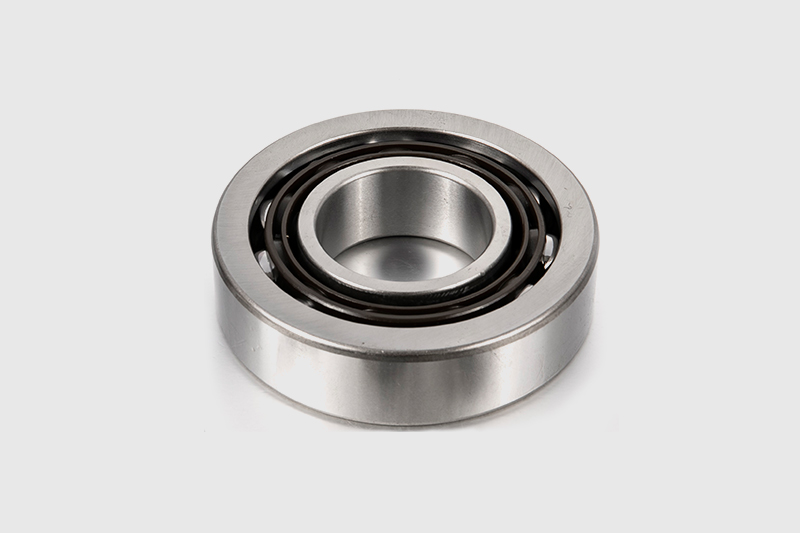 Single Row Angular Contact Ball Bearings for High SpeedIdeal for high-speed operations requiring combined radial and axial load management, available in 15°, 25°, and 30° contact angles with standard tolerances and customizable options.View Product →
 Double Row Angular Contact Ball Bearings with High RigidityOffers higher rigidity and bidirectional axial load capacity in a compact width, with multiple sealing choices, wide size range, and optional stainless steel for corrosive environments.View Product →
 Four Point Angular Contact Ball Bearings for Axial LoadsDesigned for pure axial loads in both directions with limited radial capacity; separable design allows independent mounting, making it a compact solution for space-constrained systems.View Product →
All our angular contact bearings are produced on automated lines with strict quality control, using high‑grade chrome steel (GCr15) and cages made of steel, brass, or polyamide depending on the application requirements. We also support custom contact angles and non‑standard designs for OEM projects.
When selecting an angular contact ball bearing, the first step is to determine the expected axial load magnitude. If the axial load is less than 50% of the radial load, a 15° or 25° angle is typically sufficient. For heavy axial loads (more than 100% of radial load), consider 30° or 40°. Also consider the operating speed: if your machine runs above 80% of the bearing’s limiting speed, lower angles are safer. Finally, check the available mounting space – double‑row or four‑point designs can save width compared to two single‑row bearings back‑to‑back.
If you are working on a specific application such as a compressor, agricultural implement, or conveyor system, please visit our news section for practical case studies where we have solved bearing selection challenges for customers in over 50 countries. Our engineering team is always ready to help you calculate the optimal contact angle and bearing configuration for your machinery.
Understanding bearing contact angle is not just about reading a number on a datasheet – it is about matching the internal geometry to the real forces and speeds your equipment will face. With the right choice, you can extend bearing life, improve machine efficiency, and reduce downtime. At Ningbo Sanya, we combine decades of manufacturing experience with a customer‑first approach to deliver angular contact ball bearings that perform consistently under demanding conditions. Feel free to reach out for a technical consultation or a quotation for your next project.

Product Overview The Series 1600 Deep Groove Ball ...
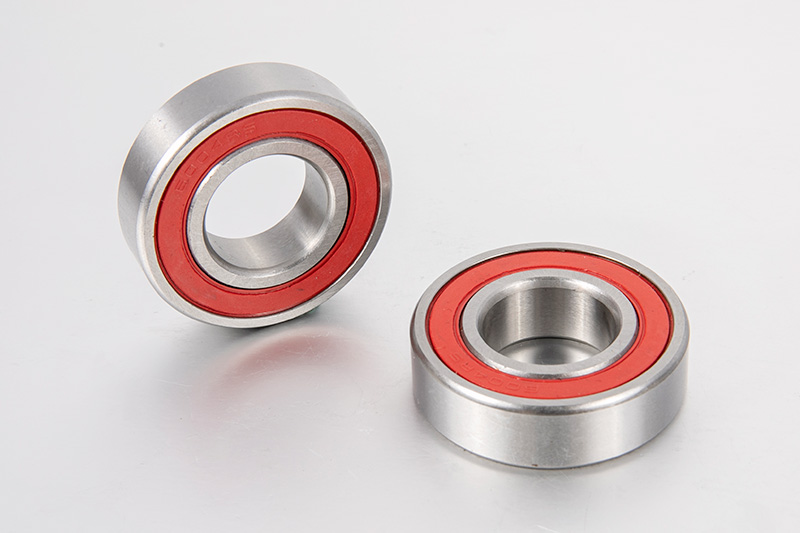
Key Features & Benefits 1. Superior Sealing Pe...

Product Overview:The 6200 Series Deep Groove Ball ...
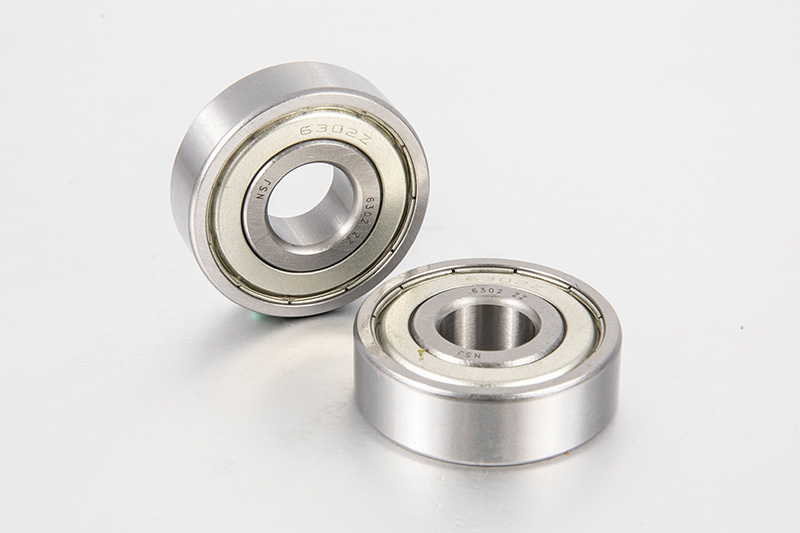
Core Differentiators: Enhanced Load Capacity: Unl...
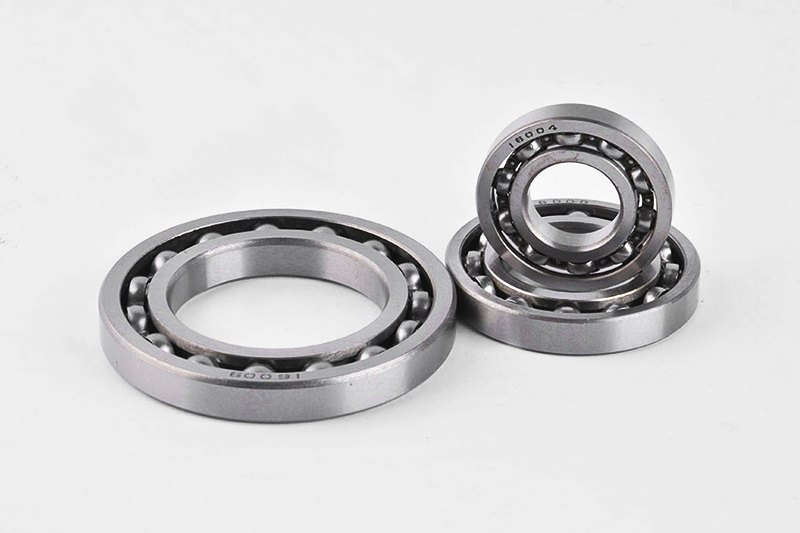
Core Technical Advantages: Maximum Space Efficien...