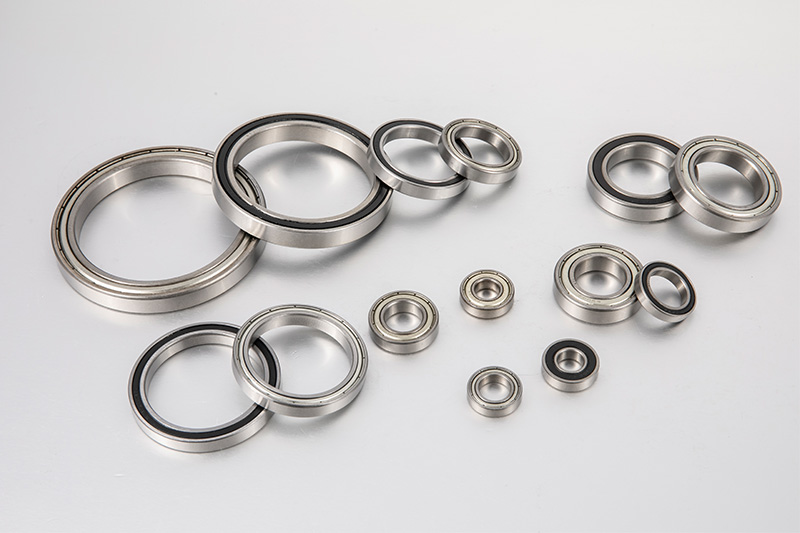
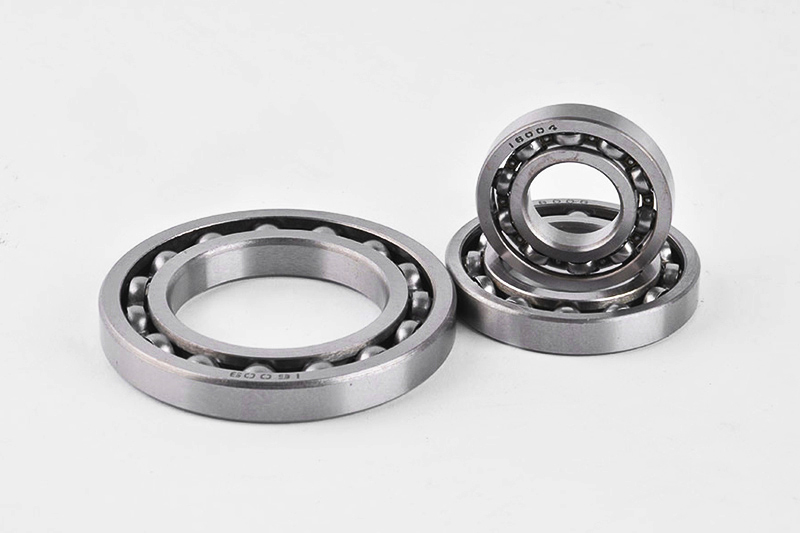
Series 1600 Chrome Steel Deep Groove Ball Bearing
Product Overview The Series 1600 Deep Groove Ball ...




Content
When a conveyor bearing runs for 20 hours a day, a technician who adds grease by hand every three months is making a guess. The bearing might run dry for weeks before the next service, or it might receive a full grease gun squeeze that causes churning and heat. Both outcomes end in the same place: a bearing failure and an unplanned stop. Automated lubricant dosing changes that by delivering a measured amount of grease to the bearing at the right time, without depending on someone's memory or access to a grease point.
Automated lubricant dosing, also called centralized lubrication, is a mechanical process that feeds a precise quantity of grease or oil to one or more lubrication points at regular intervals. A pump and reservoir sit next to the equipment, and dosing modules near each bearing release a small, controlled shot of grease. In many industrial machines, this happens while the bearing is operating, so the fresh grease stays in the contact zone.
The term "dosing" is important. It describes the measured, repeatable volume of lubricant that reaches a bearing. In a manual program, a grease fitting may receive anywhere from 10 to 30 grams depending on who is holding the gun. In an automated dosing system, the same bearing receives the same gram weight every cycle, based on the bearing size, speed, and load.
Bearing lubrication is not a "more is better" process. Over-lubrication and under-lubrication each cause specific forms of damage. Under-lubrication leaves a thin or broken oil film, allowing metal-on-metal contact that produces wear, scoring, and heat. Over-lubrication fills too much of the bearing cavity, forcing the rolling elements to churn the grease. This churning raises temperature, can damage seals, and can actually push the grease out of the bearing.
Dosing volumes are set by bearing manufacturers and by industry standards. For a ball bearing with a bore diameter of about 20 mm, the recommended grease volume is often only 10 to 20 percent of the free space inside the bearing. That is a small amount, maybe a few grams, and it is why a manual grease gun is so easy to misuse. Automated dosing systems respect these limits, which is why they are used in applications where a bearing is hard to reach or where lubrication intervals are short.
A dosing system for grease usually includes four parts: a reservoir or grease tank, a pump, distribution lines, and dosing units. In a single-line progressive system, a central pump pressurizes a supply line, forcing grease to move through a series of dispensing valves. Each valve meters a fixed dose and then passes the grease along to the next valve. This design works well for machinery with multiple bearings that can be grouped together, such as conveyors or gearboxes.
A dual-line system uses two supply lines that alternate, allowing the system to recharge while one line is feeding. Multi-point direct lubricators use a single pump with multiple outlets and are common on smaller machines. In all cases, a controller sets the dose interval based on duty cycle, operating temperature, and the environment around the bearing.
The correct dosing interval is rarely a fixed monthly date. A bearing in a dusty sawmill may need a small dose every few hours, while a clean-room fan bearing may only need a few shots per year. Matching the dose to the bearing's actual operating conditions is what separates a reliable system from a maintenance cost.
Not every bearing is easy to connect to a dosing line. Bearings used in automated systems should have a lubrication hole or grease fitting that aligns with the dosing module. They should also have a housing design that allows grease to reach the rolling elements without leaking out. For example, insert bearings and pillow block units are built for this style of maintenance. They have relubrication access, a set screw or lock collar for shaft mounting, and sealing arrangements that work with both grease retention and periodic injection.
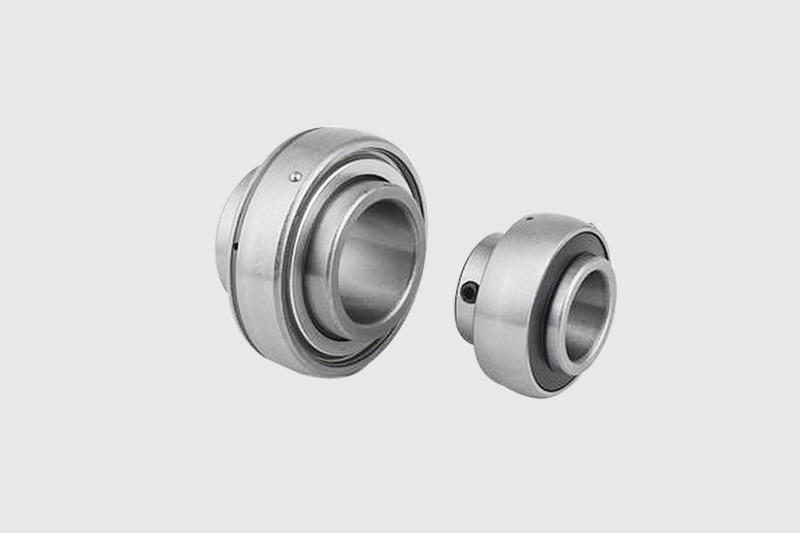 UC Set Screw Locking Insert Bearing for RelubricationThis insert bearing features set screw locking and a lubrication groove with inlet holes, enabling easy connection to automated dosing lines for periodic grease injection in industrial machinery.View Product →
Ningbo Sanya's UC set screw locking insert bearing series is a good example of a bearing that accepts grease through a dosing line. The outer ring has a lubrication groove and inlet holes, and the set screw arrangement holds the bearing on the shaft while a dosing module feeds the required amount of grease at each interval.
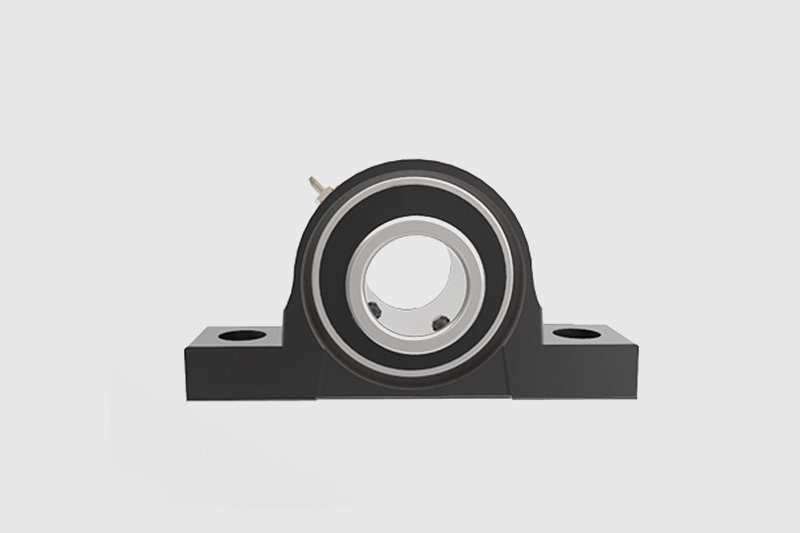 UCP Pillow Block Unit with UC Bearing and Cast Iron HousingCombining a UC insert bearing with a rigid cast iron housing, this unit provides a ready-to-mount assembly with a grease fitting, protecting against impact and contamination in conveyors and agricultural equipment.View Product →
When the bearing is mounted in a housing, the pillow block unit becomes a complete assembly. UCP series pillow block units combine a UC insert bearing with a rigid cast iron housing, giving the maintenance team a single component that is ready for a lubrication fitting. The housing also protects the bearing from impact and contamination, which is a significant benefit in conveyor and agricultural equipment.
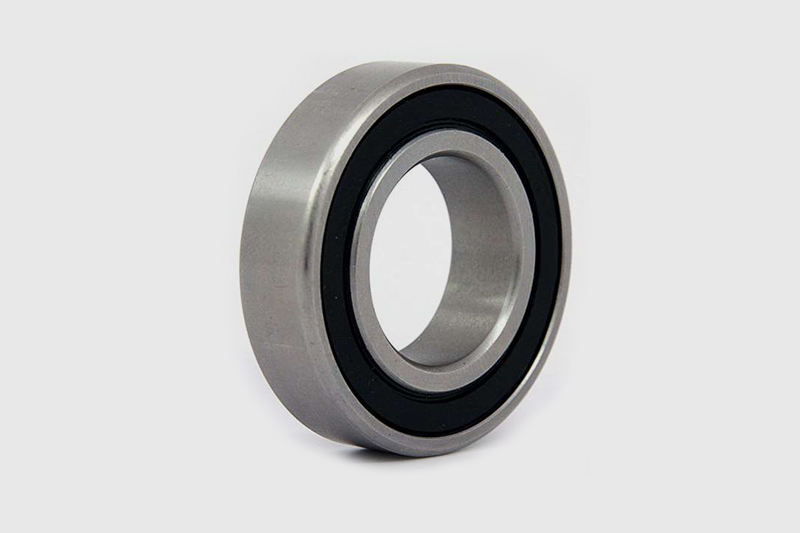
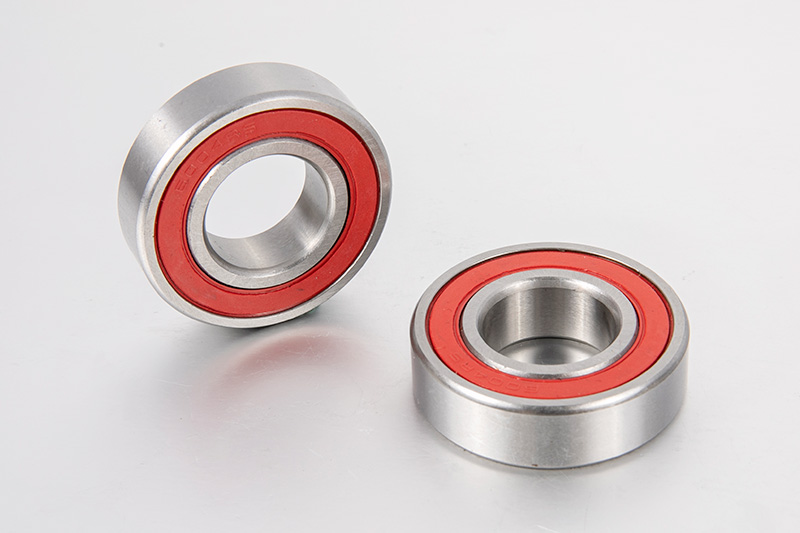 Series 6000 Deep Groove Ball Bearing with Two Contact SealsEquipped with two-sided contact seals, this bearing offers dust and water resistance, pre-lubricated for maintenance-free operation, suitable for electric motors and pumps in continuous running equipment.View Product →
For machines that use deep groove ball bearings directly in the housing or in a custom assembly, the series 6000 two-contact seals deep groove ball bearing offers a standard bearing with dust protection and can be specified for relubrication through an external dosing connection. It is a fit for electric motors, pumps, and other continuously running equipment.
As you select a bearing for an automated dosing project, look for evidence that the manufacturer has designed the bearing with maintenance access in mind. For more on how often insert bearings actually need lubrication, read this guide on insert bearing lubrication intervals. And if the equipment handles bulk material, conveyor system bearings are a direct application where dosing pays off quickly.
The financial case for automated lubricant dosing is straightforward. A single bearing failure in a production line can cost thousands of dollars in lost output, plus the labor and parts for replacement. Dosing systems reduce these failures by keeping the lubricant film intact. They also remove the human variable: no more missed grease points, no more over-greasing, no more guessing about the condition of a bearing hidden behind a guard.
In many industrial facilities, the lubricant consumption drops by 30 to 50 percent when a dosing system replaces manual greasing. The grease is used exactly where it is needed, rather than being wiped off fittings or left in a tray beside the machine. This reduction also lowers waste disposal costs and keeps the work area cleaner, which matters in food processing or textile plants where contamination is a risk.
Condition monitoring becomes more informative as well. Because dose intervals are predictable, a sudden rise in bearing vibration or temperature can be traced back to a specific event, such as a blocked dosing line, a piston failure, or a change in grease quality. Operators can respond to the cause instead of reacting to a broken bearing.
Start small. Identify the bearings that are most expensive to replace or most critical to uptime. For each bearing, write down the manufacturer's grease quantity and interval recommendation. If the bearing is not already equipped with a relubrication feature, consider replacing it with a bearing that has a lubrication groove and fitting. This is where the selection from the previous section becomes relevant.
Next, choose the dosing system type. Single-line progressive systems are the most common for a small group of bearings. For a machine with a long list of lubrication points, a dual-line system can handle larger line lengths and more robust operating conditions. In both cases, the service technician must calibrate the dose at the pump and verify that the dosing modules near the bearings are delivering the expected amount.
Set the maintenance schedule around the system, not the other way. Check the reservoir level, inspect the dosing lines for leaks or kinks, and replace any worn fitting. Use a grease that matches the bearing's operating temperature and speed. A high-temperature silicone grease will not behave like a lithium soap grease, and the wrong choice can cause the dosing system to meter the wrong volume or fail to move the grease at all.
Automated lubricant dosing is not about adding more grease. It is about delivering the right amount of grease to the right place at the right time. When you pair a properly designed bearing with a controlled dosing system, you get smoother running, longer service life, and fewer surprises. For industrial buyers who want to move away from reactive maintenance, the combination of a relubricatable bearing and a reliable dosing unit is a concrete step toward predictable production.

Product Overview The Series 1600 Deep Groove Ball ...
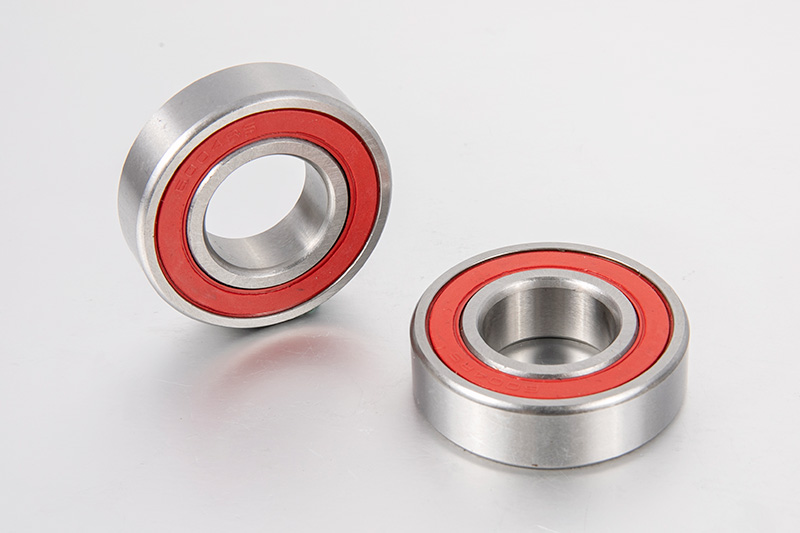
Key Features & Benefits 1. Superior Sealing Pe...

Product Overview:The 6200 Series Deep Groove Ball ...
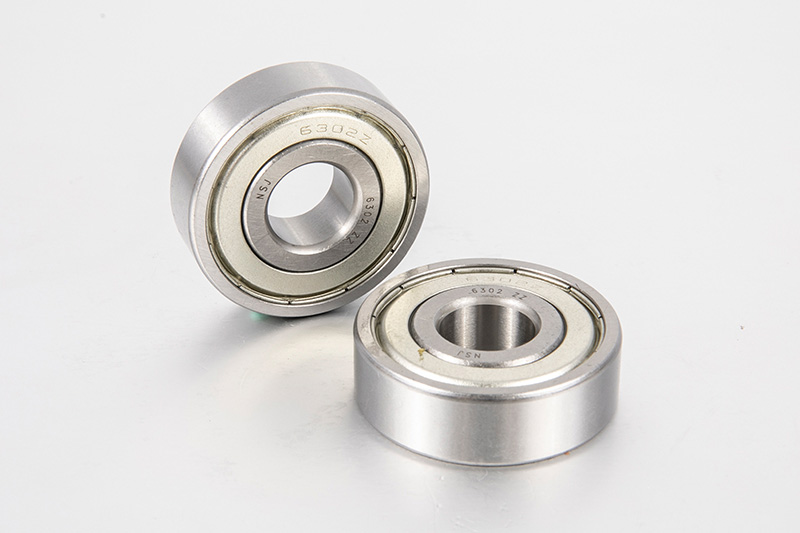
Core Differentiators: Enhanced Load Capacity: Unl...
Core Technical Advantages: Maximum Space Efficien...