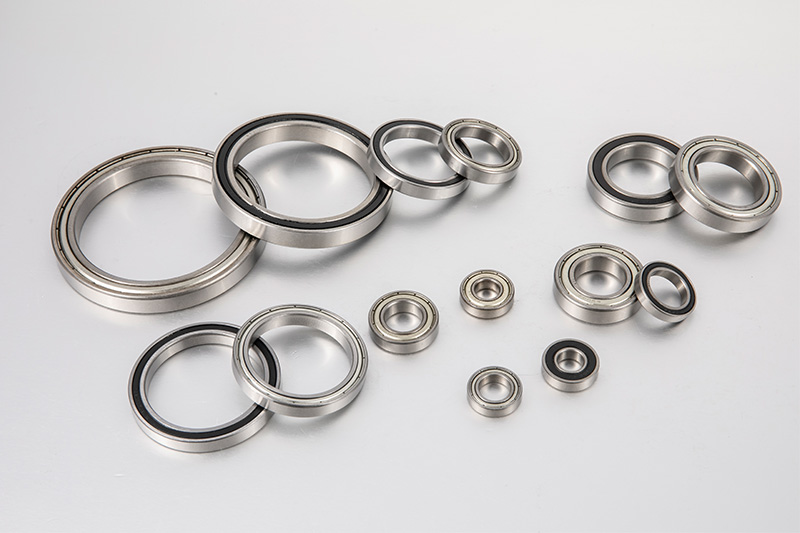
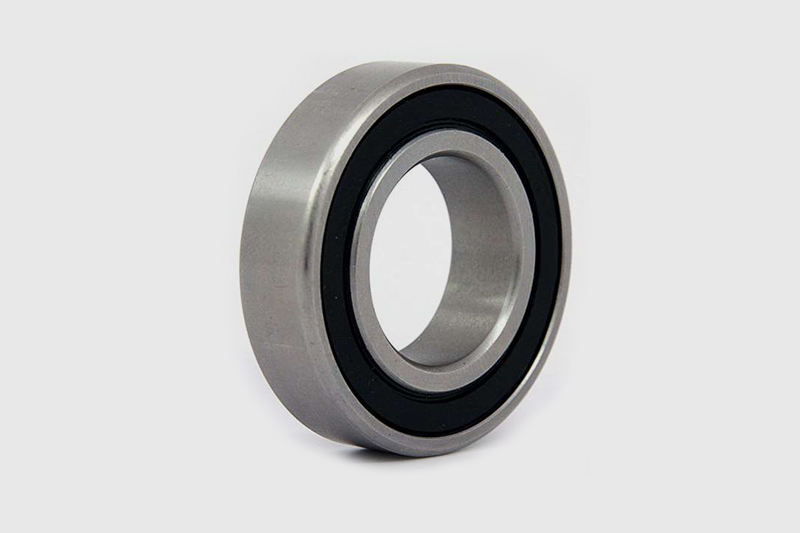
Series 1600 Chrome Steel Deep Groove Ball Bearing
Product Overview The Series 1600 Deep Groove Ball ...




Content
In industrial machinery, bearings play a critical role in ensuring smooth and efficient operation. Among various types of bearings, self-aligning ball bearings stand out for their unique ability to adjust for misalignment. Misalignment is a common problem caused by shaft deflection, mounting errors, or thermal expansion, and it can lead to increased friction, vibration, and premature wear in standard bearings. Choosing the right type of bearing is crucial to maintaining machinery performance and reducing downtime.
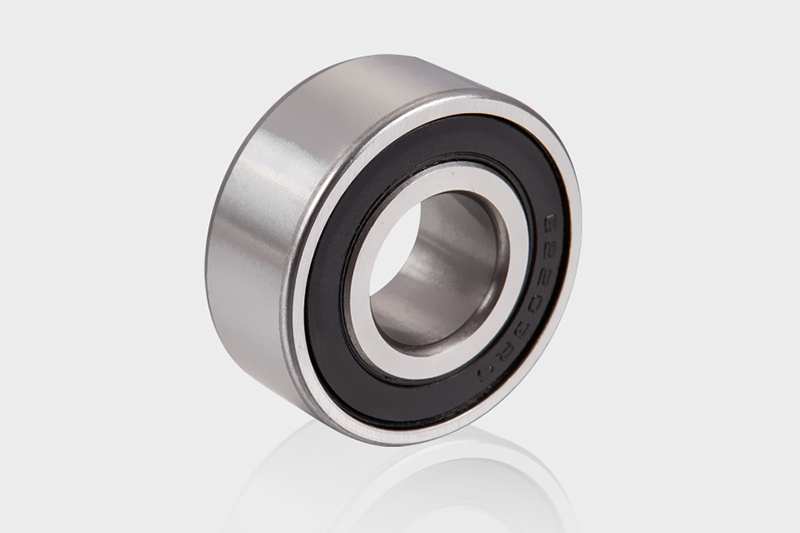
Self-aligning ball bearings are a special type of ball bearing designed to accommodate angular misalignment between the shaft and the housing. Structurally, they consist of two rows of balls and a spherical inner surface on the outer ring, allowing the bearing to automatically adjust when the shaft is slightly off-center. This self-aligning feature ensures that even if the shaft is not perfectly aligned, the bearing can operate smoothly without excessive friction or wear.
These bearings are particularly suitable for applications where misalignment is unavoidable, such as in long shafts or machinery that experiences deflection under load. For example, in electric motors, pumps, and conveyors, the self-aligning property helps maintain consistent performance and prevents costly downtime. Unlike standard deep groove ball bearings, which require precise alignment, self-aligning ball bearings provide flexibility and reliability in real-world operating conditions.
In addition to misalignment compensation, these bearings are designed to handle radial loads efficiently and moderate axial loads in both directions. Their ability to combine smooth rotation, load support, and self-adjustment makes them ideal for a wide range of industrial applications.
The primary reason to choose self-aligning ball bearings is their ability to handle misalignment automatically. Misalignment in machinery can lead to uneven load distribution, increased vibration, and premature bearing failure. Self-aligning ball bearings correct these issues, providing longer service life and smoother operation.
Reduced Maintenance is another major advantage. Because these bearings can tolerate slight misalignment, there is less stress on the surrounding components, reducing the frequency of maintenance checks. This is particularly beneficial in continuous operation systems, where downtime for repairs can be costly.
Improved Performance is also significant. Even under varying operating conditions, self-aligning bearings maintain stable rotation and low friction, resulting in higher efficiency. Moreover, they are versatile and can be used in applications ranging from small electric motors to heavy industrial machinery.
Key Advantages of Self-Aligning Ball Bearings vs. Other Bearings
| Feature | Self-Aligning Ball Bearings | Deep Groove Ball Bearings | Cylindrical Roller Bearings |
|---|---|---|---|
| Misalignment Compensation | Yes | No | No |
| Radial Load Capacity | Moderate to High | Moderate | High |
| Axial Load Capacity | Moderate (both directions) | Low | Moderate |
| Maintenance Requirement | Low | Medium | Medium |
| Suitable for Continuous Operation | Yes | Yes | Yes |
By combining self-alignment capability, durability, and versatility, self-aligning ball bearings provide an optimal solution for many industrial applications where precision alignment is difficult to achieve.
When selecting bearings, it is essential to understand how self-aligning ball bearings compare with other popular types:
Vs. Deep Groove Ball Bearings: Deep groove bearings are cost-effective and simple in design but require precise alignment. Any misalignment can cause uneven wear and reduce bearing life. In contrast, self-aligning ball bearings tolerate slight misalignment, improving reliability.
Vs. Cylindrical Roller Bearings: Cylindrical roller bearings can support higher radial loads but are more sensitive to misalignment. They are ideal for heavy-load applications where shafts are rigid and alignment can be maintained. Self-aligning ball bearings, however, offer more flexibility in dynamic environments where shafts may deflect or vibrate.
Vs. Spherical Roller Bearings: Spherical roller bearings also handle misalignment and higher loads, but they are generally larger, heavier, and more expensive. Self-aligning ball bearings strike a balance between cost, size, and performance, making them suitable for medium-load applications where misalignment occurs.
These comparisons highlight the unique niche self-aligning ball bearings occupy: moderate loads, misalignment tolerance, and reliable performance in varied conditions.
Self-aligning ball bearings are widely used in industries where shaft misalignment is a concern or continuous operation is critical. Typical applications include:
Overall, these bearings excel in applications where reliability, reduced maintenance, and tolerance to misalignment are essential.
To maximize the performance of self-aligning ball bearings, consider the following tips:
By adhering to these practices, self-aligning ball bearings can provide reliable performance for years, reducing operational costs and downtime.
Q1: Can self-aligning ball bearings handle heavy loads?
A: They are suitable for moderate radial and axial loads. For very heavy loads, spherical roller bearings may be more appropriate.
Q2: What is the main difference between self-aligning and deep groove ball bearings?
A: The main difference is misalignment tolerance. Self-aligning bearings can compensate for shaft misalignment, while deep groove bearings cannot.
Q3: How often should self-aligning ball bearings be lubricated?
A: It depends on the operating environment and load. Generally, regular lubrication every few months or per manufacturer recommendations is sufficient.
Q4: Are self-aligning ball bearings suitable for high-speed applications?
A: Yes, they can operate at high speeds, but it is important to select the appropriate bearing size and lubrication to ensure smooth performance.
Q5: Can self-aligning ball bearings be used in vertical shafts?
A: Absolutely. Their ability to handle misalignment makes them suitable for both horizontal and vertical shaft applications.

Product Overview The Series 1600 Deep Groove Ball ...
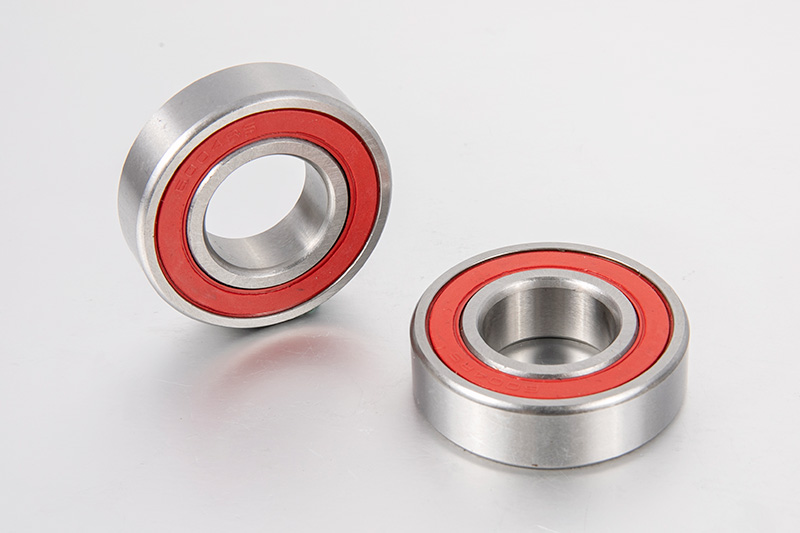
Key Features & Benefits 1. Superior Sealing Pe...

Product Overview:The 6200 Series Deep Groove Ball ...
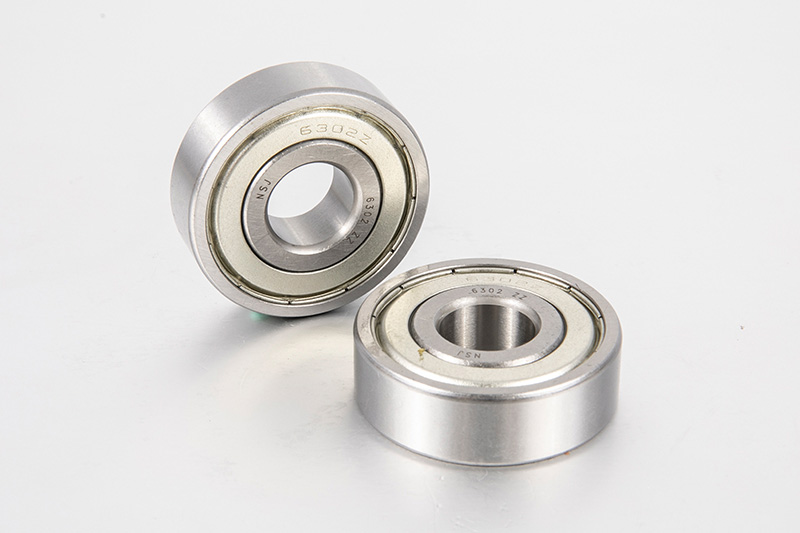
Core Differentiators: Enhanced Load Capacity: Unl...
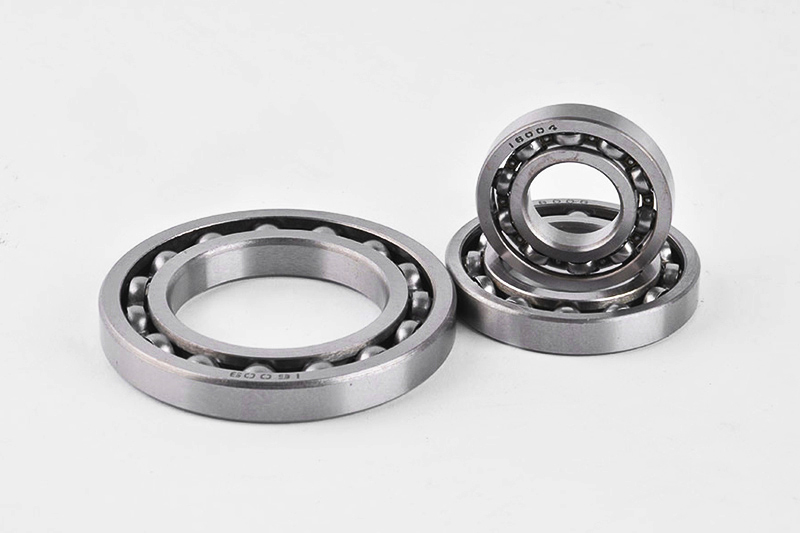
Core Technical Advantages: Maximum Space Efficien...