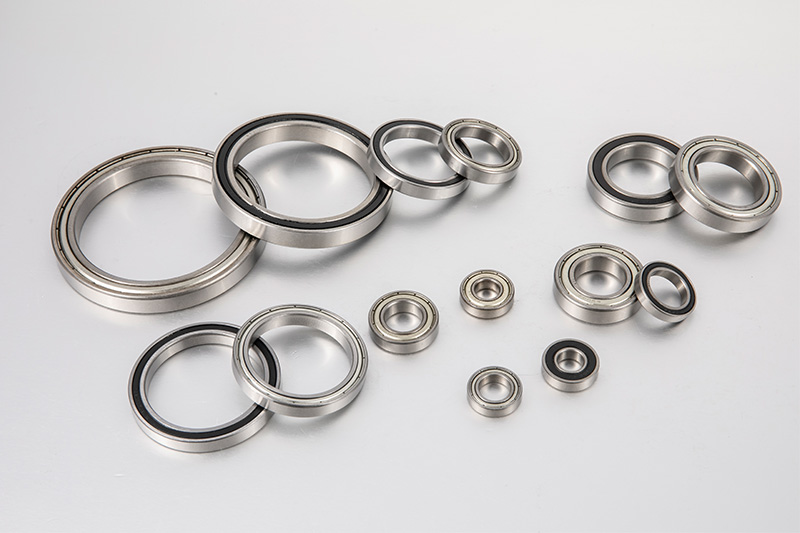
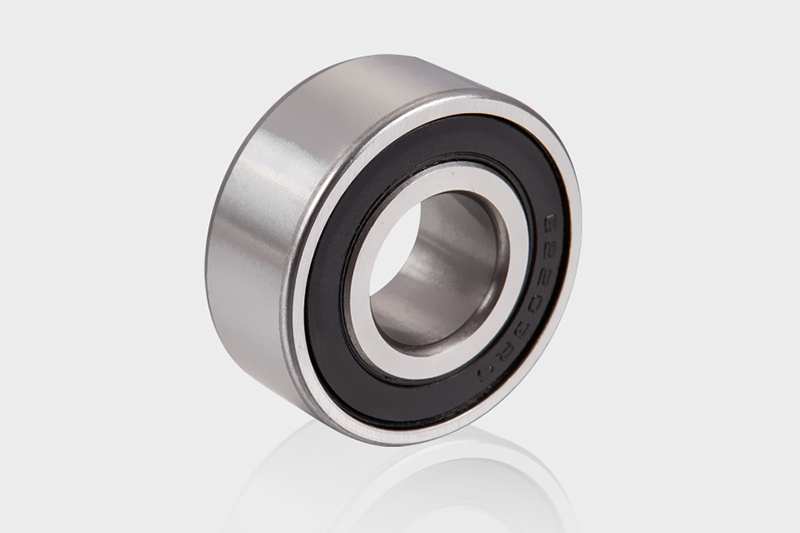
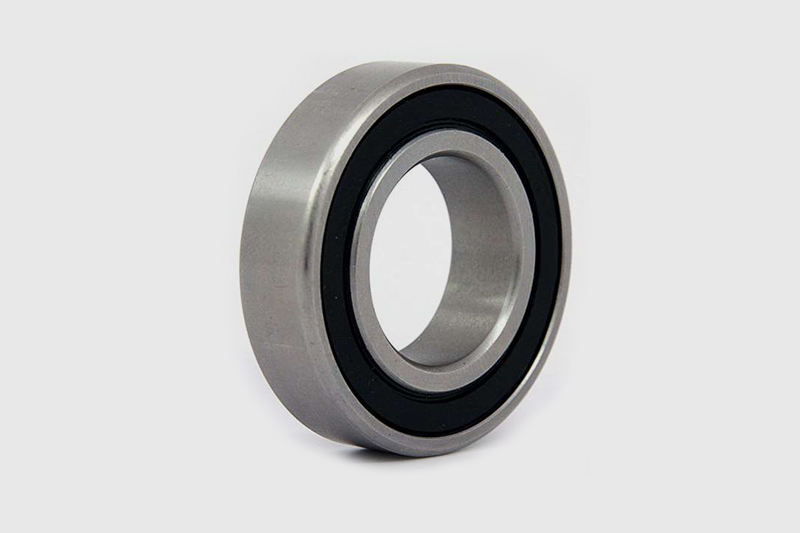
Series 1600 Chrome Steel Deep Groove Ball Bearing
Product Overview The Series 1600 Deep Groove Ball ...




Content
Industrial equipment relies heavily on various components to operate efficiently and reliably. Among these, insert bearings play a crucial role in ensuring smooth operation, reducing friction, and extending the lifespan of machinery. These bearings are designed to fit directly into housing units and are commonly used in a wide range of industrial applications, from conveyors to agricultural machinery. Choosing the right insert bearing is not just a technical requirement—it directly impacts productivity, energy efficiency, and maintenance costs.
Insert bearings, sometimes called mounted or housed bearings, are pre-assembled bearing units that include a bearing and a compatible housing. They are designed for easy installation and provide consistent performance under various loads and operating conditions. Insert bearings come in several types, including ball bearings, roller bearings, and spherical roller bearings, each suited for specific applications. For example, ball bearings are excellent for moderate loads and high-speed operations, while roller bearings handle heavier radial loads efficiently.
In industrial environments, insert bearings are commonly found in applications such as conveyor systems, packaging machines, agricultural equipment, and textile machinery. Their pre-lubricated design minimizes maintenance requirements and ensures that the equipment operates reliably even under harsh conditions. By providing stability and precise alignment, insert bearings help reduce energy losses and prevent premature wear of other machine components. Proper understanding of the types and functions of insert bearings is essential for engineers and maintenance professionals who aim to optimize industrial equipment performance.
Insert bearings serve several critical roles in industrial machinery. First, they reduce friction between moving parts, which not only improves efficiency but also minimizes heat generation and energy consumption. Second, they help support both radial and axial loads, ensuring that rotating components remain aligned and function smoothly. This prevents vibrations, noise, and wear, which can otherwise lead to costly downtime.
Additionally, insert bearings contribute to the longevity of the equipment. By providing a stable operating platform, they reduce stress on shafts, gears, and other critical components. This leads to fewer breakdowns and lower maintenance costs over the lifetime of the machine. Insert bearings also allow for easier replacement and maintenance, as they are designed to be mounted and dismounted without specialized tools, making them a practical choice for industrial operations that prioritize uptime and reliability.
The performance of industrial equipment is directly linked to the quality and functionality of its insert bearings. High-quality insert bearings ensure smooth and precise movement, which translates into higher production efficiency. Conversely, low-quality or improperly installed bearings can cause vibrations, noise, misalignment, and even complete machine failure.
Another crucial aspect is energy efficiency. Bearings with low friction reduce the power required to operate machinery, lowering operational costs. Properly selected insert bearings also improve load distribution, preventing localized stress points that could damage equipment over time.
| Bearing Type | Suitable Load | Typical Applications | Key Benefits |
|---|---|---|---|
| Ball Bearing | Moderate | Conveyor systems, small motors | High-speed operation, low friction |
| Roller Bearing | Heavy radial | Industrial presses, pumps | High load capacity, durability |
| Spherical Bearing | Heavy & misaligned | Agricultural equipment, heavy machinery | Self-aligning, reduces shaft stress |
When insert bearings fail, the consequences for industrial equipment can be severe. Common issues include premature wear, noise, vibration, and overheating. These problems can result from improper installation, inadequate lubrication, excessive loads, or poor-quality bearings.
The economic impact of bearing failure is significant. Unplanned downtime can halt production lines, causing financial losses and missed deadlines. Additionally, failed bearings can damage other machine components, leading to costly repairs. Regular inspection, proper lubrication, and choosing high-quality insert bearings are essential practices to prevent such failures. By addressing bearing issues proactively, companies can ensure consistent equipment performance and minimize operational disruptions.
Selecting the right insert bearing involves evaluating several factors. First, consider the load type—radial, axial, or combined—and the magnitude of the load. Second, assess the operating speed and environment; high-speed applications require bearings with low friction and precise tolerances, while dusty or wet environments necessitate sealed or corrosion-resistant bearings.
Material and design are equally important. Bearings made from high-grade steel or ceramic materials offer better wear resistance and durability. Pre-lubricated bearings reduce maintenance requirements and simplify installation. Additionally, sourcing bearings from reputable suppliers ensures consistent quality, performance, and availability of replacement parts. A well-chosen insert bearing can significantly improve equipment reliability and reduce maintenance costs over time.
Proper maintenance is critical for maximizing the lifespan of insert bearings. Regular lubrication is essential, whether the bearing is pre-lubricated or requires additional grease. Monitoring operating temperature and vibration can help detect early signs of wear or misalignment.
Cleaning and inspection should be part of a routine maintenance schedule. Remove dirt, dust, or debris that may interfere with bearing operation. Ensure that mounting surfaces are clean and aligned to prevent uneven load distribution. Implementing predictive maintenance strategies, such as vibration analysis or thermography, can further enhance bearing reliability. By following these best practices, industries can ensure that insert bearings contribute effectively to smooth, efficient, and long-lasting equipment performance.
Q1: How often should insert bearings be replaced?
A1: The replacement interval depends on operating conditions, load, and maintenance practices. Typically, bearings are inspected every 6–12 months and replaced when wear or damage is detected.
Q2: Can insert bearings be used in high-speed machinery?
A2: Yes, but it is important to select bearings designed for high-speed operation, with precise tolerances and low friction characteristics.
Q3: What are the signs of a failing insert bearing?
A3: Common signs include unusual noise, vibration, increased operating temperature, and visible wear or damage.
Q4: Are insert bearings maintenance-free?
A4: Pre-lubricated insert bearings require less maintenance but still need regular inspections to ensure optimal performance.

Product Overview The Series 1600 Deep Groove Ball ...
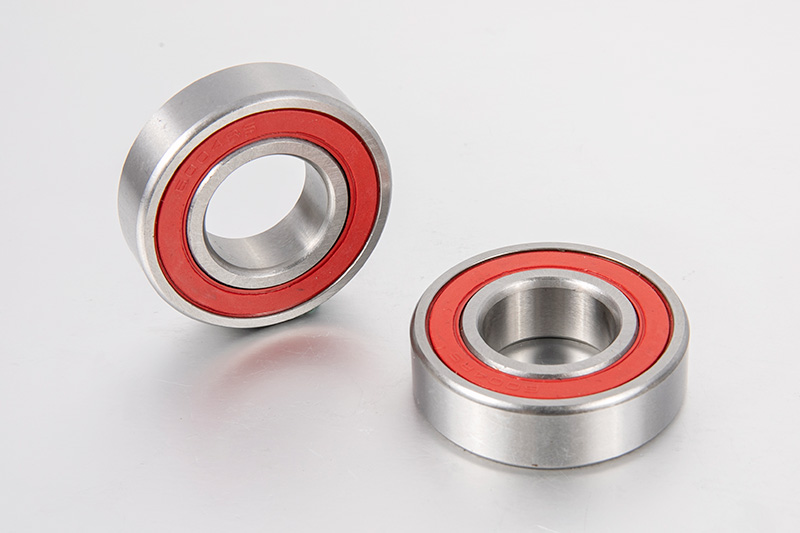
Key Features & Benefits 1. Superior Sealing Pe...

Product Overview:The 6200 Series Deep Groove Ball ...
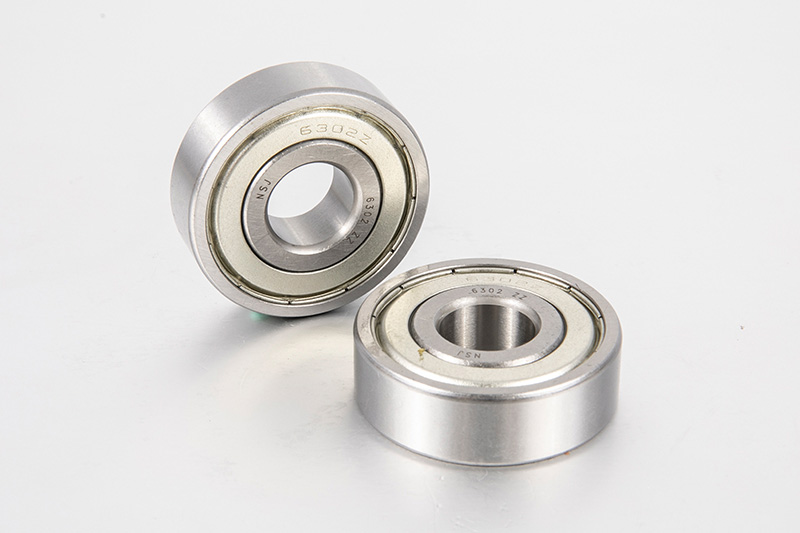
Core Differentiators: Enhanced Load Capacity: Unl...
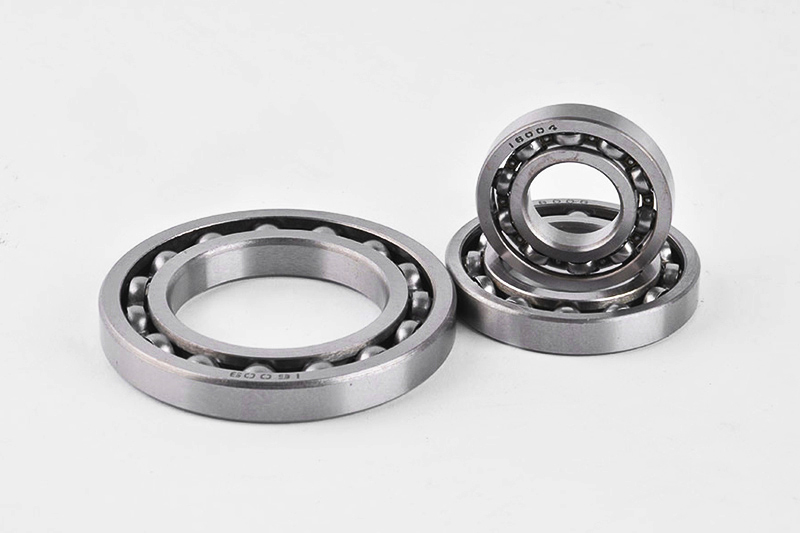
Core Technical Advantages: Maximum Space Efficien...