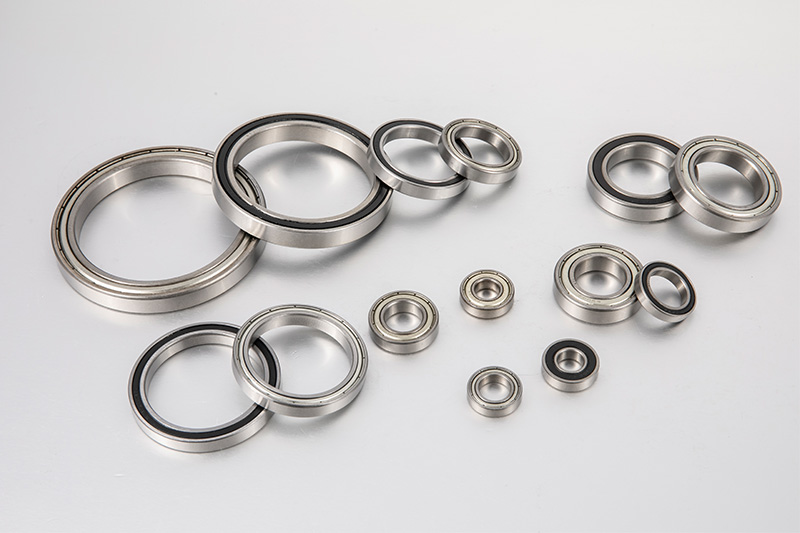
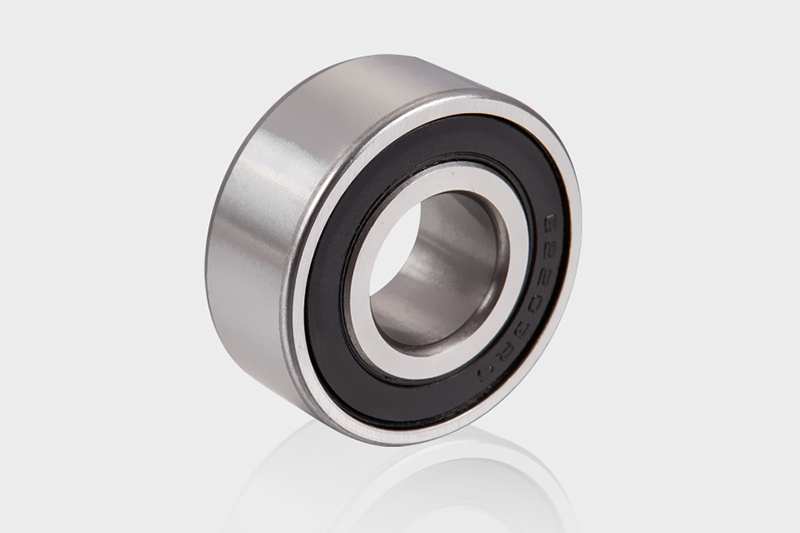
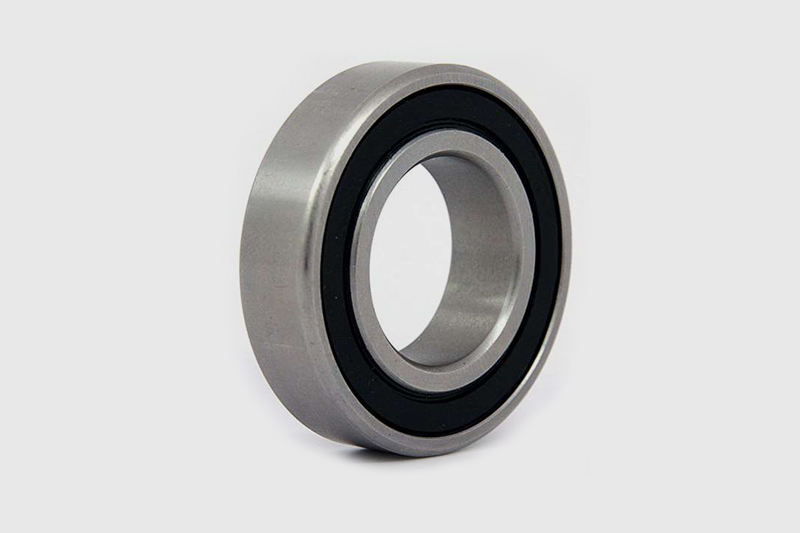
Series 1600 Chrome Steel Deep Groove Ball Bearing
Product Overview The Series 1600 Deep Groove Ball ...




Content
In industrial power transmission systems, selecting the correct insert bearing housing material is the cornerstone of ensuring long-term operational stability. The housing does more than provide physical support for the insert bearings; it directly dictates the assembly’s resistance to corrosion, its load-bearing thresholds, and overall maintenance cycles.
Cast iron, specifically grey iron (such as Grade 200/250), is the most globally utilized material for pillow block housings. Due to its exceptional physical properties and cost-effectiveness, it has become the gold standard for mining, construction machinery, heavy conveyor systems, and agricultural equipment.
The most significant advantage of cast iron is its incredible structural rigidity. When subjected to high radial and axial loads, cast iron housings exhibit virtually zero deformation. Furthermore, grey iron contains a flake graphite microstructure that provides superior vibration dampening capabilities. In high-speed industrial fans or vibrating screening equipment, cast iron bases effectively absorb the micro-vibrations generated by the bearing, thereby extending the fatigue life of the chrome steel internal components.
From a procurement perspective, cast iron housings offer the highest “performance-to-price” ratio. Thanks to mature casting processes, the mass production cost is significantly lower than that of stainless steel. In SEMrush search trends, “affordable insert bearing units” almost always refer to the cast iron series. However, its primary drawback is poor corrosion resistance. While usually protected by paint, once the surface is chipped in humid or chemical washdown environments, the base metal oxidizes rapidly. This can lead to seized bearings or “cold welding” between the housing and the shaft.
In food, beverage, and pharmaceutical processing, hygiene standards (such as FDA or EHEDG) are non-negotiable. Stainless steel insert bearing housings (typically AISI 304 or 316) are the only compliant choice for these rigorous environments.
Stainless steel is naturally endowed with high corrosion resistance. On production lines that undergo frequent high-pressure washdowns, the housing is constantly exposed to water, steam, and caustic cleaning agents. The dense chromium oxide film on the surface of stainless steel prevents chemical erosion, ensuring that no flakes or rust particles fall into the production line. This prevents secondary contamination of food or medicinal products.
While stainless steel may have slightly lower tensile strength than cast iron, it performs exceptionally better in extreme humidity. Its smooth surface is resistant to bacterial growth, meeting the strict requirements of hygienic design. Although the initial investment is higher (typically 3–5 times that of cast iron), the ROI is superior when considering the costs of downtime and the necessity of food safety compliance.
With advancements in material science, thermoplastic/PBT housings are increasingly replacing traditional metals, particularly in light industry and high-humidity applications.
The core competitive edge of engineering plastics (often PBT - Polybutylene Terephthalate) is being 100% rust-proof. It is immune to most salt water, acids, alkalis, and organic solvents. This makes it ideal for car wash systems, water treatment plants, marine environments, and chemical fertilizer factories. In locations where even high-grade stainless steel might face pitting corrosion, thermoplastic remains unaffected.
Compared to metal, plastic housings reduce weight by approximately 60%. This lightweight construction facilitates easier installation in overhead positions and reduces the overall mass of conveyor lines. Additionally, engineering plastics have an excellent elastic modulus, providing significant impact resistance. Under accidental external force, they tend to undergo elastic deformation rather than brittle fracture like cast iron. When paired with a sealed stainless steel insert bearing, they offer a truly maintenance-free solution.
To assist in your selection process, we have summarized the technical parameters of the three core materials below. This table is designed to improve website authority for “bearing housing selection guide” search queries.
| Performance Metrics | Cast Iron (HT200) | Stainless Steel (AISI 304) | Thermoplastic (PBT) |
|---|---|---|---|
| Load Capacity | Highest (Heavy Duty) | High (Medium Duty) | Moderate (Light Duty) |
| Rust Resistance | Low | Excellent | Total Immunity |
| Chemical Resistance | Poor | High | Superior |
| Dampening Effect | Superior | Moderate | Good |
| Washdown Safe | No | Yes | Yes |
| Typical Cost | Low ($) | High ($$$) | Moderate ($$) |
We strongly advise against it. Seafood processing involves high salt concentrations and constant moisture, which will cause cast iron to rust within days, potentially contaminating the product and violating hygiene standards. Use stainless steel or thermoplastic instead.
Triple-lip seals are advanced sealing mechanisms used to prevent dust, water, and contaminants from entering the bearing’s internal raceway. When combined with a thermoplastic housing, they provide a robust solution for harsh washdown environments.
Yes, for most packaging and bottling conveyors, thermoplastic is more than sufficient. However, for bulk material handling (like coal or ore), cast iron remains the safer choice due to its superior ultimate tensile strength.

Product Overview The Series 1600 Deep Groove Ball ...
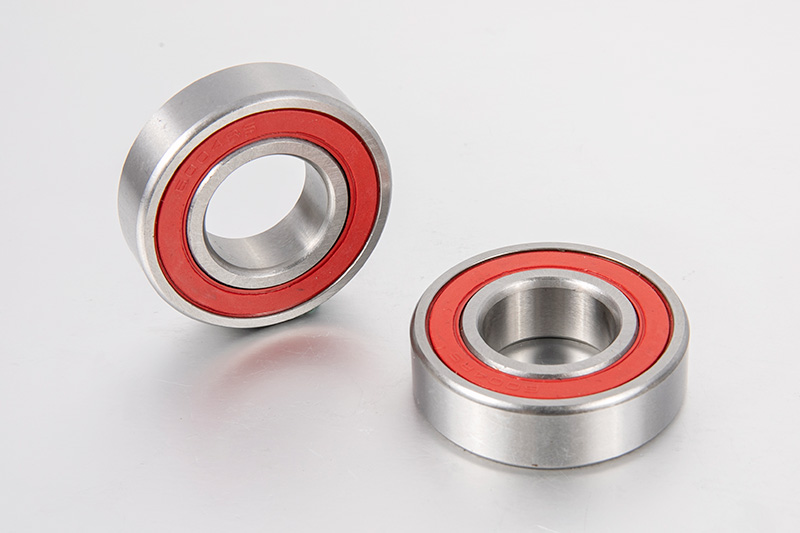
Key Features & Benefits 1. Superior Sealing Pe...

Product Overview:The 6200 Series Deep Groove Ball ...
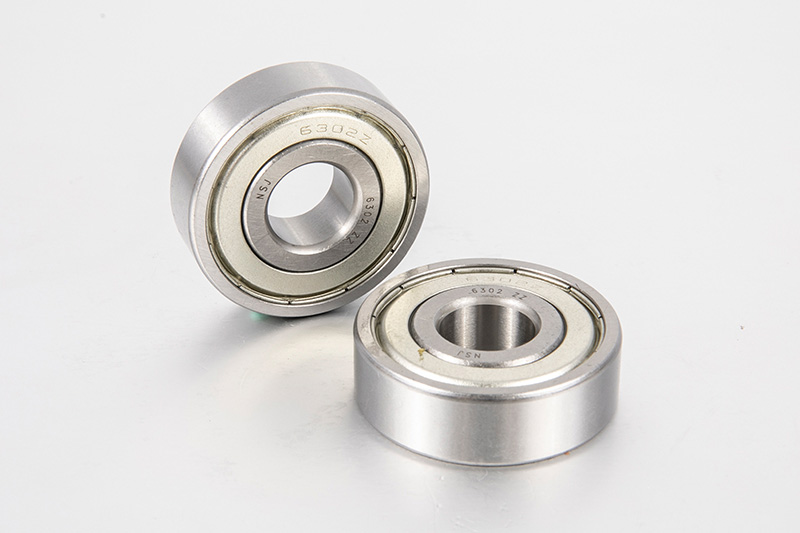
Core Differentiators: Enhanced Load Capacity: Unl...
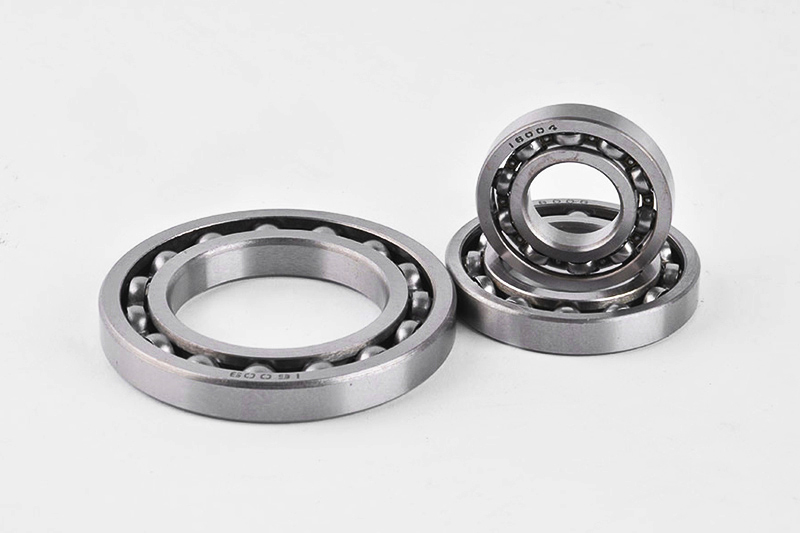
Core Technical Advantages: Maximum Space Efficien...