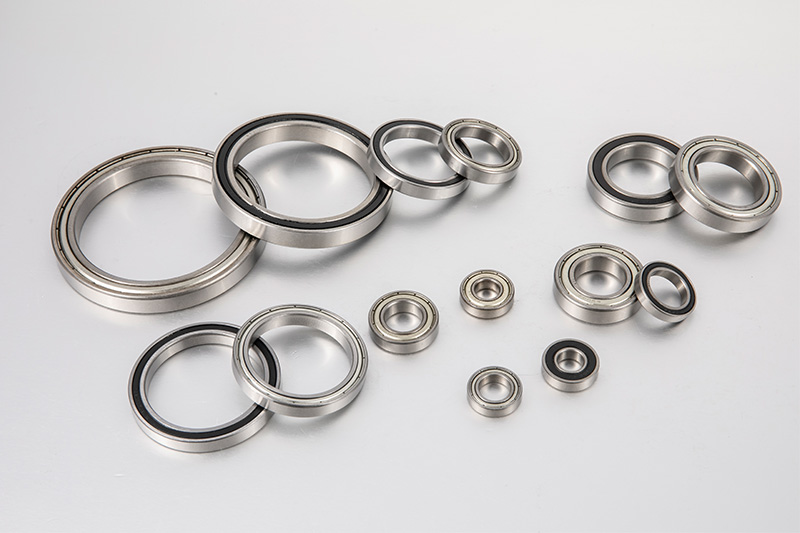
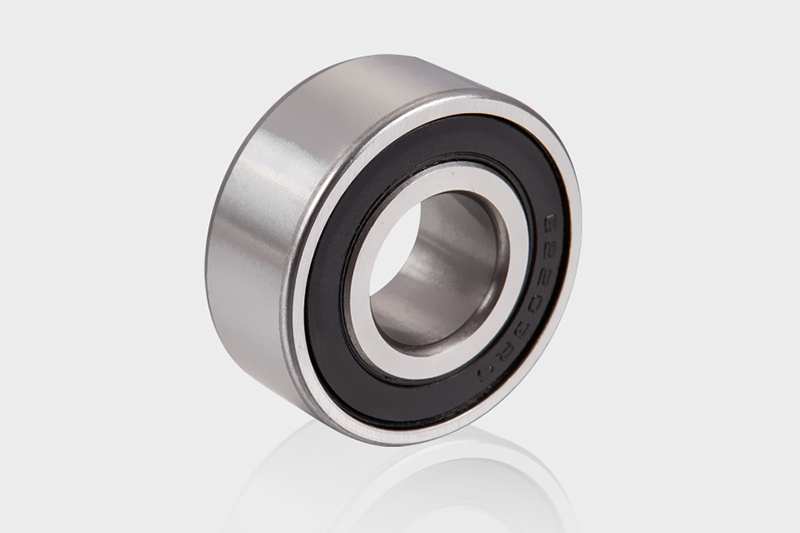
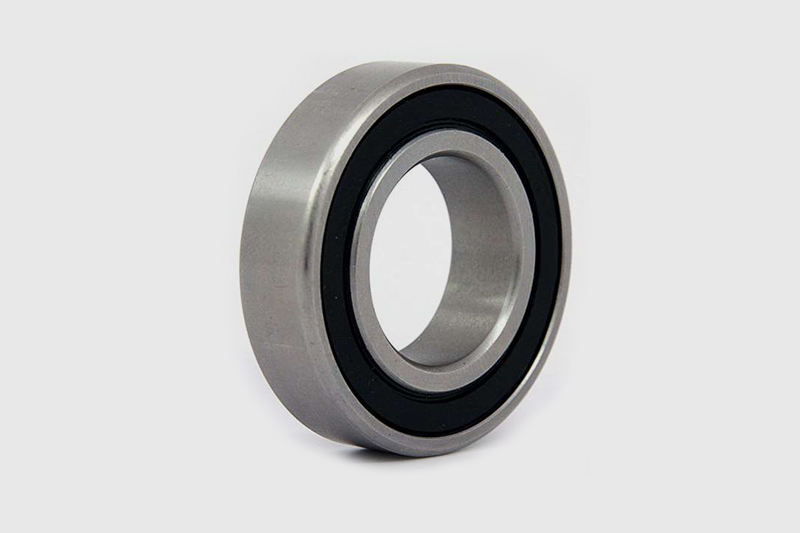
Series 1600 Chrome Steel Deep Groove Ball Bearing
Product Overview The Series 1600 Deep Groove Ball ...




Content
Agricultural machinery, such as tractors, harvesters, and conveyors, often operates in extremely harsh environments. Soil, dust, and moisture are common challenges for agricultural equipment. Therefore, agricultural machinery needs components that can withstand these conditions, and insert bearings are ideal for this purpose. The advantages of insert bearings lie in their ease of installation and ability to bear loads from different directions (both radial and axial loads).
These bearings are often designed with sealed or shielded variants to effectively prevent dust, dirt, water, and other contaminants from entering, thereby extending their service life. Moreover, agricultural equipment typically experiences heavy loads and high vibrations, and insert bearings’ robust design ensures stable performance, reducing the failure rate of equipment. By reducing maintenance frequency, insert bearings help lower overall maintenance costs for farming machinery.
Common Insert Bearing Types Used in Agricultural Machinery
| Bearing Type | Applicable Equipment | Key Features | Advantages |
|---|---|---|---|
| Deep Groove Ball Bearing | Tractors, Harvesters | Can bear high speeds and heavy loads | Adaptable to high speeds and heavy loads, reduces friction |
| Pillow Block Bearing | Conveyors, Cultivators | Contamination resistance, easy installation | Ideal for harsh environments, easy to maintain |
| Spherical Roller Bearing | Sprayers, Seeders | Strong axial load-bearing capacity | Performs excellently under high loads and vibration |
Insert bearings are widely used in common agricultural equipment, and their durable structure and simple installation method make maintenance more efficient. This is one of the reasons why many modern agricultural machinery manufacturers opt for insert bearings.
In the automotive industry, insert bearings are widely used in various components, particularly in steering systems, drive shafts, suspension components, and engine parts. Vehicles need to withstand extreme mechanical stress while ensuring efficient operation and smooth driving performance. Insert bearings, due to their excellent durability and stability, are key components in meeting these demands.
The design of insert bearings effectively reduces friction between car parts, ensuring smooth rotation at high speeds. Especially in high-temperature environments, insert bearings, made from heat-resistant materials, can function reliably for long periods. Furthermore, their ease of installation and replacement significantly reduces downtime during automotive repairs, which is crucial for an industry that demands high operational efficiency.
Insert Bearing Applications in the Automotive Industry
| Bearing Type | Applicable Components | Key Features | Advantages |
|---|---|---|---|
| Pillow Block Bearing | Steering system, Wheel axles | High-temperature resistance, strong load-bearing capacity | Provides smooth steering and driving experience |
| Deep Groove Ball Bearing | Drive shafts, Gearboxes | High-speed rotation, low friction | Improves fuel efficiency and extends service life |
| Cylindrical Roller Bearing | Suspension systems, Brake systems | High load-bearing capacity, vibration resistance | Enhances vehicle stability and safety |
By reducing friction and improving mechanical efficiency, insert bearings enhance the overall performance of vehicles. In automotive design and manufacturing, insert bearings offer a cost-effective solution, particularly in cases where high durability and low maintenance are essential.
In the material handling and conveying industry, insert bearings are commonly used in the core components of conveyor systems, such as rollers and pulleys. Conveyors in factories, mines, and logistics centers often operate under continuous load and face various environmental challenges. The role of insert bearings in these applications is mainly to reduce friction, lower energy consumption, and extend the lifespan of mechanical parts.
Conveyor systems often run in harsh conditions, such as high temperatures, humidity, or dust. Insert bearings, through their sealed design, effectively prevent contaminants from entering, ensuring the lubrication inside the bearings and providing long-term stable performance. These bearings’ advantages also include easy installation and simple maintenance, allowing conveying equipment to experience fewer breakdowns during operation.
Insert Bearing Applications in Material Handling & Conveying
| Bearing Type | Applicable Equipment | Key Features | Advantages |
|---|---|---|---|
| Pillow Block Bearing | Conveyors, Rollers | Sealed design, contamination resistance | Enhances equipment durability and reduces downtime |
| Deep Groove Ball Bearing | Conveyors, Belts | Supports high speeds, reduces friction | Increases drive efficiency and reduces energy consumption |
| Spherical Roller Bearing | Idlers, Pulleys | Can bear larger axial loads | Handles heavy loads, increases stability |
Due to the high reliability and easy replacement features of insert bearings, equipment in the material handling industry typically chooses these bearings to maximize operational efficiency and minimize downtime during continuous operation.
The food and beverage processing industry has very high standards for equipment hygiene and safety. Insert bearings are widely used in this industry in various mechanical equipment, such as mixers, packaging machines, and conveyor systems. Since these machines are often exposed to water, steam, and chemical cleaning agents, the corrosion resistance and waterproofing of insert bearings make them the ideal choice.
In this industry, hygiene standards are stringent, so food-grade insert bearings (e.g., those made from stainless steel) are widely used. They can not only withstand high temperatures and chemical corrosion but also ensure reliable equipment operation despite frequent washing. By using insert bearings, food processing companies can improve production efficiency, reduce equipment downtime, and ensure a seamless manufacturing process.
Insert Bearing Applications in Food & Beverage Processing
| Bearing Type | Applicable Equipment | Key Features | Advantages |
|---|---|---|---|
| Stainless Steel Bearing | Mixers, Packaging machines | Corrosion-resistant, high-temperature resistance | Meets hygiene requirements, improves production efficiency |
| Deep Groove Ball Bearing | Conveyors, Transport belts | High-speed, low friction | Increases conveyance efficiency, extends service life |
| Pillow Block Bearing | Refrigeration units, Bottle washers | Waterproof, dustproof, easy to maintain | Provides long-term stable operation, reduces maintenance frequency |
In the food and beverage industry, insert bearings not only ensure the smooth running of machinery but also comply with strict hygiene standards, making them an indispensable component in this sector.
What applications are insert bearings suitable for?
What is the difference between insert bearings and traditional bearings?
Are insert bearings high-maintenance?
How long do insert bearings last?

Product Overview The Series 1600 Deep Groove Ball ...
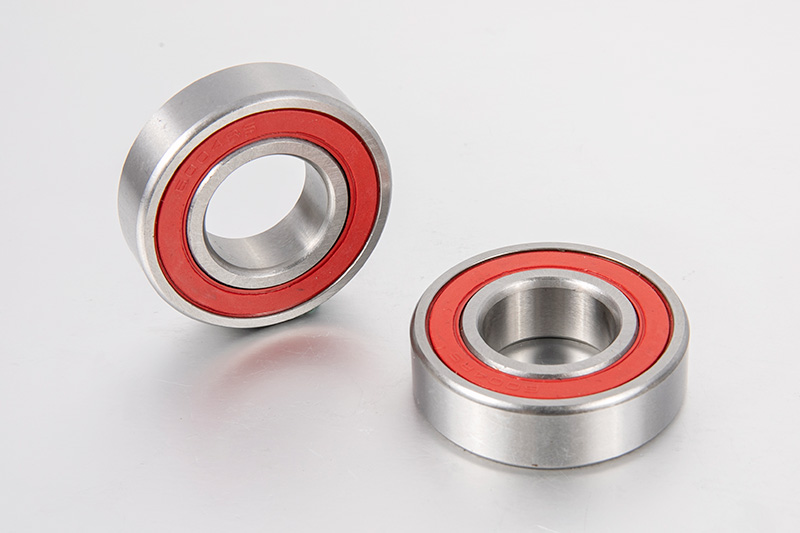
Key Features & Benefits 1. Superior Sealing Pe...

Product Overview:The 6200 Series Deep Groove Ball ...
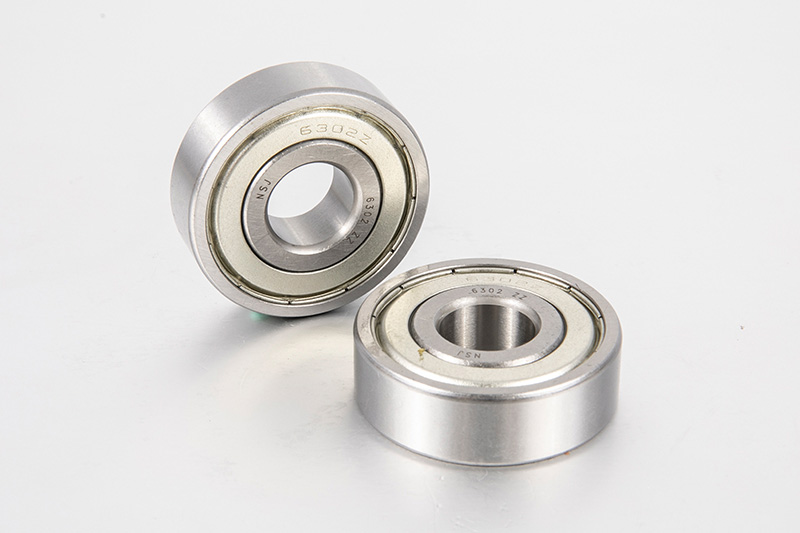
Core Differentiators: Enhanced Load Capacity: Unl...
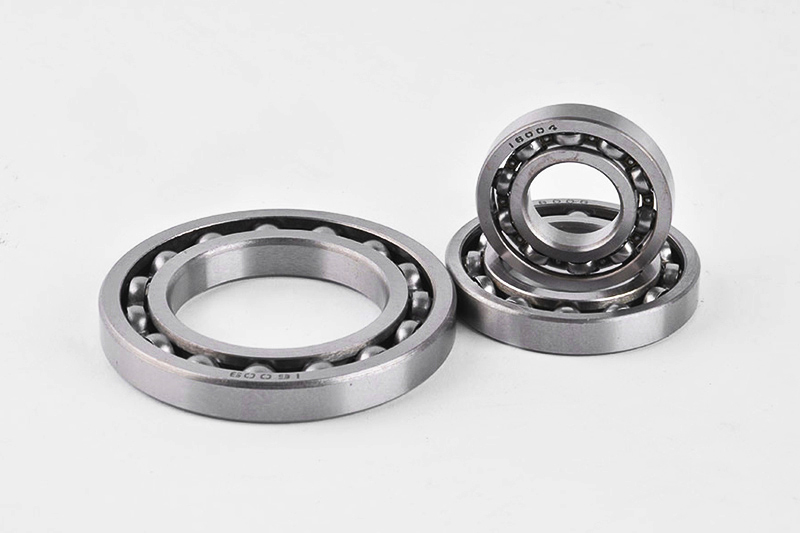
Core Technical Advantages: Maximum Space Efficien...