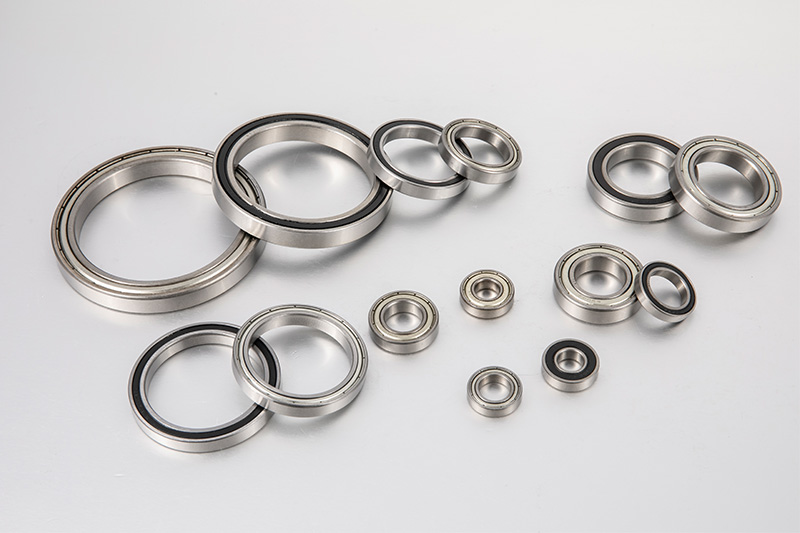
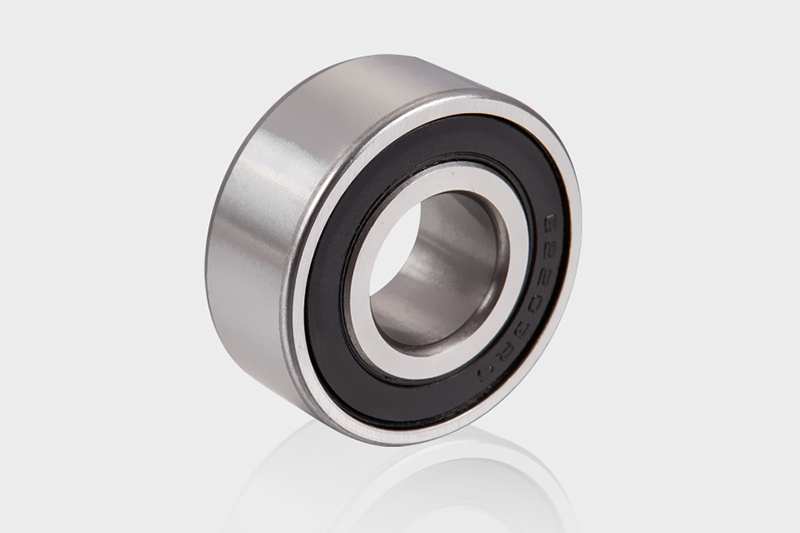
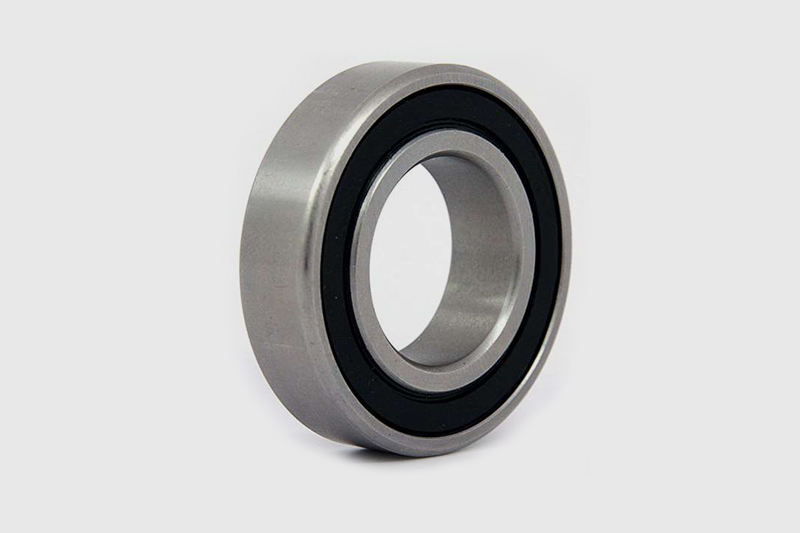
Series 1600 Chrome Steel Deep Groove Ball Bearing
Product Overview The Series 1600 Deep Groove Ball ...




Thrust cylindrical roller bearings are designed to handle high axial loads in heavy machinery while providing smooth rotational performance. Due to their critical role in transmitting load and reducing friction, proper maintenance is essential to ensure both reliability and longevity. Neglecting maintenance can lead to premature wear, increased operating temperatures, vibration issues, and even catastrophic failure of machinery. Regular maintenance not only reduces downtime but also lowers long-term operational costs by preventing expensive repairs and replacements.
One of the primary maintenance practices for thrust cylindrical roller bearings is regular inspection and monitoring. Bearings should be visually inspected for any signs of wear, pitting, corrosion, or deformation. Additionally, vibration analysis and noise detection are useful techniques to identify early warning signs of bearing failure. Lubrication checks are equally important because inadequate lubrication can accelerate wear, increase friction, and cause overheating. Bearings operating under high-speed or heavy-load conditions are particularly sensitive to lubrication quality and must be checked more frequently.
Another key maintenance practice is cleaning and lubrication management. Bearings must be cleaned thoroughly to remove dust, dirt, and old grease before applying new lubricant. Choosing the right type of grease or oil according to manufacturer specifications is critical, as using the wrong lubricant can reduce bearing life and performance. Ensuring proper lubricant quantity and re-lubrication intervals based on operational conditions helps maintain smooth operation and minimizes friction and heat generation.
| Maintenance Task | Recommended Frequency | Key Points |
|---|---|---|
| Visual inspection | Monthly | Check for cracks, discoloration, or surface damage |
| Lubrication check | Every 500–1000 hours | Use manufacturer-recommended grease or oil |
| Cleaning | Every 6 months | Remove dust, debris, and old lubricant |
| Vibration analysis | Quarterly | Detect misalignment, imbalance, or abnormal wear |
| Alignment check | Every 6 months | Ensure shaft and bearing alignment is correct |
In addition to routine inspection and lubrication, alignment and load monitoring are critical. Misaligned shafts or uneven load distribution can lead to uneven roller wear and decreased bearing lifespan. Tools such as dial indicators and laser alignment systems can help maintain precise alignment. Handling bearings properly during installation or replacement is also essential, as improper mounting techniques can cause permanent damage to rollers or raceways. Moreover, maintaining a detailed log of inspections, lubrication, and any observed abnormalities allows maintenance teams to track performance trends, anticipate potential issues, and schedule proactive maintenance before failures occur.
Q1: How often should thrust cylindrical roller bearings be lubricated?
A1: Lubrication frequency depends on the operating environment, load, and speed. Typically, lubrication is recommended every 500–1000 hours, but always follow the manufacturer’s guidelines.
Q2: Can I use any type of lubricant for these bearings?
A2: No. Only use lubricants recommended by the bearing manufacturer. Factors like load, speed, temperature, and operating environment affect the choice of grease or oil.
Q3: What are common signs that a bearing needs replacement?
A3: Excessive noise, vibration, overheating, surface cracks, spalling, or severe corrosion indicate that the bearing may need immediate replacement.
Q4: Are vibration analysis and alignment checks necessary for all applications?
A4: While not mandatory for very small machinery, these practices are highly recommended for critical or high-load applications to prevent unexpected failures.

Product Overview The Series 1600 Deep Groove Ball ...
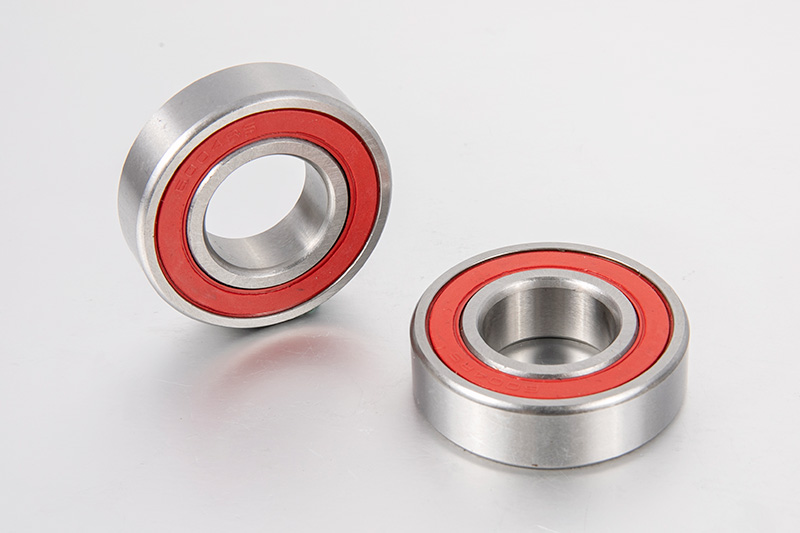
Key Features & Benefits 1. Superior Sealing Pe...

Product Overview:The 6200 Series Deep Groove Ball ...
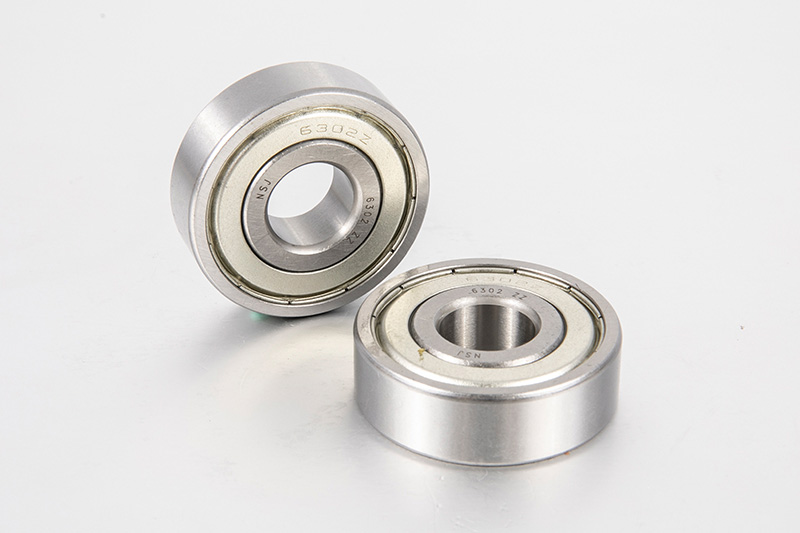
Core Differentiators: Enhanced Load Capacity: Unl...
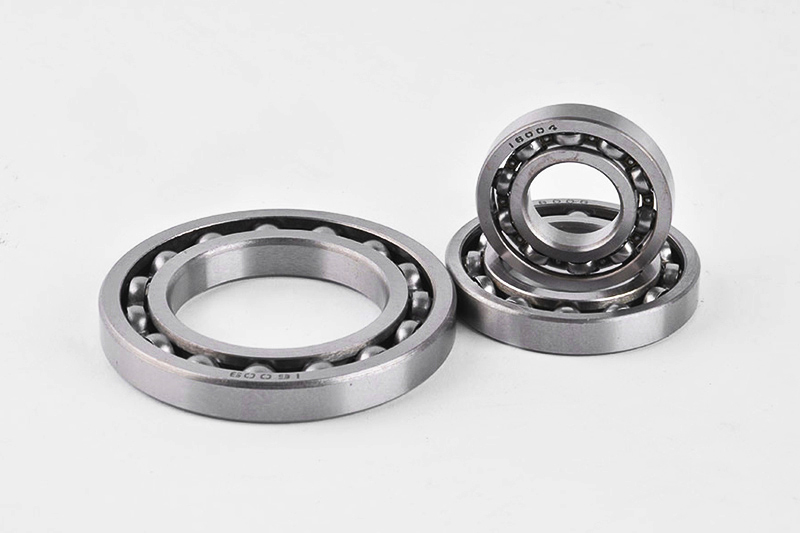
Core Technical Advantages: Maximum Space Efficien...