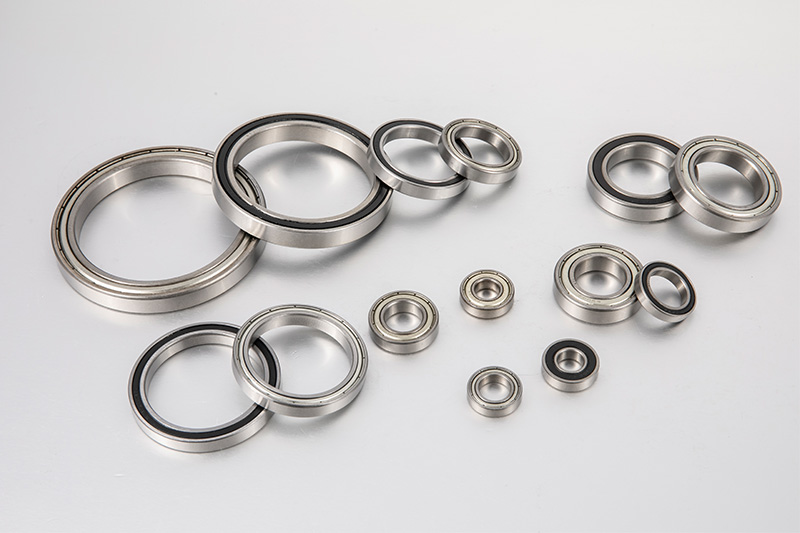
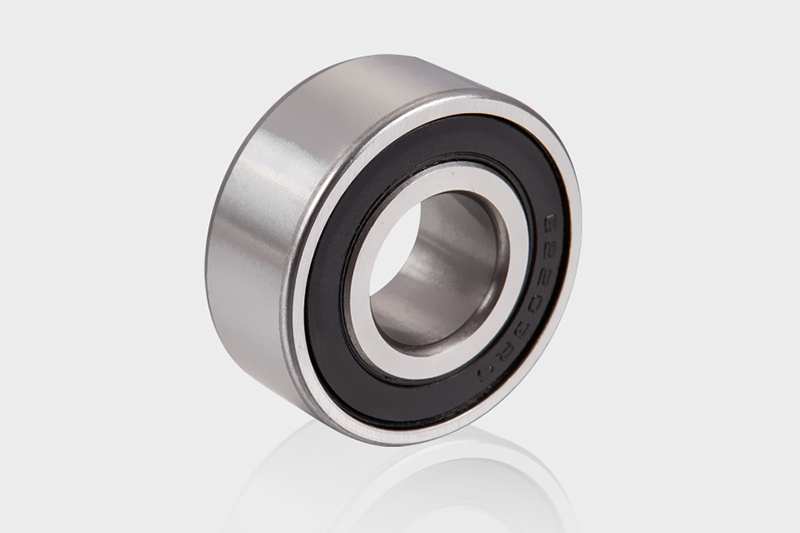
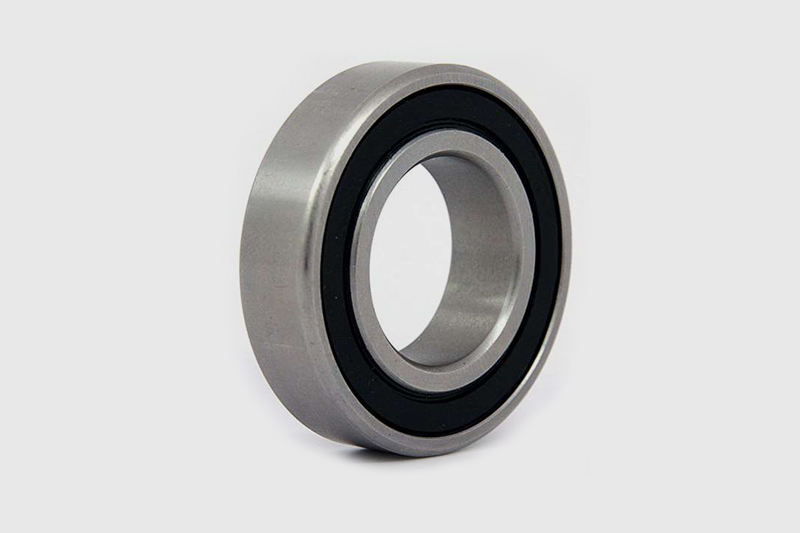
Series 1600 Chrome Steel Deep Groove Ball Bearing
Product Overview The Series 1600 Deep Groove Ball ...




Content
In the precision-driven world of mechanical engineering, achieving absolute alignment between a rotating shaft and its housing is an elusive goal. Factors such as mounting inaccuracies, structural deflections under heavy loads, and thermal expansion during operation inevitably lead to “misalignment.” When a standard deep groove ball bearing encounters these conditions, it faces rapid internal stress, overheating, and catastrophic failure. To solve this, two heavyweights emerge in the bearing market: the Self-Aligning Ball Bearing and the Spherical Roller Bearing.
Many industrial buyers and maintenance managers find themselves at a crossroads when selecting between these two. The confusion often stems from their shared ability to handle misalignment, yet their internal mechanics are worlds apart. It is a bit like deciding how to treat delicate components; just as a consumer might ask, “What is hand wash mode in washing machine?” when trying to protect a fragile garment, an engineer must ask if their application requires the “gentle” high-speed precision of a ball bearing or the “heavy-duty” brute strength of a roller bearing.
Misalignment is the silent killer of industrial uptime. Without the ability to self-compensate, bearings create edge loading, which concentrates forces on the edges of the raceways rather than distributing them evenly. This leads to spalling, metal fatigue, and unexpected downtime. By choosing a self-aligning design, you are investing in “insurance” for your mechanical system. Whether you are dealing with hand washables in a textile mill or tons of rock in a mining crusher, the principle remains: the component must be able to adapt to its environment to survive.
The Self-Aligning Ball Bearing was pioneered to solve the problem of shaft deflection in early industrial machinery. Its design is ingenious: it features two rows of balls that run on two deep raceway grooves in the inner ring, combined with a single, common sphered raceway in the outer ring. This allows the inner ring, balls, and cage to tilt freely around the bearing center, effectively “self-aligning” within the housing.
The most significant technical advantage of the Self-Aligning Ball Bearing is its exceptionally low friction. Because the balls have a “point contact” with the raceways, the surface area generating heat is kept to an absolute minimum. This makes them the coolest-running bearings in the entire rolling element family. When engineers look for a solution that can handle high RPMs without the risk of thermal runaway, this is the gold standard.
In industries where clean operation and high precision are paramount, such as food processing or pharmaceutical manufacturing, the Self-Aligning Ball Bearing excels. Because it generates less heat, the lubrication remains stable for longer periods, reducing the risk of leakage or contamination. Furthermore, for those managing delicate machinery that produces hand washables washing machine users might recognize as high-value, these bearings provide the smooth, vibration-free rotation necessary to prevent snagging or uneven tension in the production line. If your load is moderate but your speed is high, this is your primary choice.
While the ball-based version is built for speed, the Spherical Roller Bearing is designed for sheer power. This bearing consists of two rows of barrel-shaped (spherical) rollers that are oriented at an angle to the bearing axis. Like its ball-bearing cousin, it features a sphered outer raceway, allowing it to handle misalignment, but its internal contact mechanics are fundamentally different.
The defining characteristic of the Spherical Roller Bearing is “line contact.” Instead of the small point of contact found in ball bearings, the barrel rollers contact the raceway along their entire length. This drastically increases the load-bearing surface area. Consequently, these bearings can support massive radial loads and significant axial loads in both directions.
The “strength” of line contact comes with a compromise: friction. More contact area means more resistance, which leads to higher operating temperatures. As a result, Spherical Roller Bearings generally have lower speed ratings than ball-based versions. Maintenance teams must be diligent about using high-performance lubricants—the industrial version of finding a mild soap for hand washing clothes—to ensure the rollers stay separated from the raceways under extreme pressure. If you are moving tons of material at lower speeds, the spherical roller is the undisputed king.
To make a data-driven decision, engineers must look at the specific performance metrics of each bearing type. Below is a comparative analysis of the two technologies based on standard industrial ratings.
| Performance Metric | Self-Aligning Ball Bearing | Spherical Roller Bearing |
|---|---|---|
| Contact Geometry | Point Contact (Low Surface Area) | Line Contact (High Surface Area) |
| Radial Load Capacity | Low to Moderate | Extremely High |
| Axial Load Capacity | Limited | High (In both directions) |
| Speed (RPM) Rating | High / Very High | Moderate / Low |
| Heat Generation | Very Low | Moderate to High |
| Misalignment Capability | Excellent (Up to 7°) | Good (1.5° to 3.5°) |
| Shock Load Resistance | Poor | Excellent |
| Common Lubrication | Standard Grease / Light Oil | Heavy-duty EP (Extreme Pressure) Grease |
A common mistake in B2B procurement is sticking with a Self-Aligning Ball Bearing simply because it was the original part. However, if your production demands have increased—meaning higher tension, heavier raw materials, or more frequent “starts and stops”—you may need to upgrade to a spherical roller. While the roller bearing is more expensive upfront, its ability to prevent “fatigue spalling” under heavy loads can save thousands in emergency repair costs.
Interestingly, the maintenance of precision bearings shares a philosophy with the care of delicate textiles. When you ask, “Can I machine wash hand wash clothes?” the answer is usually no because the uncontrolled mechanical force is too high. Similarly, high-precision bearings require a “hand-wash” level of care during installation and maintenance to ensure they reach their L10 life expectancy.
When a bearing is removed for inspection, it should never be subjected to high-pressure industrial washers without protection.
Just as you wouldn’t use harsh bleach on hand washables, you shouldn’t use low-quality grease on a Self-Aligning Ball Bearing. High-speed ball bearings require a grease with a lower base-oil viscosity to keep friction low. Roller bearings, conversely, require “tackier” greases with Extreme Pressure (EP) additives to maintain a film under the crushing weight of industrial loads. Matching the lubricant to the bearing type is as critical as matching the detergent to the fabric.
In conclusion, the choice between a Self-Aligning Ball Bearing and a Spherical Roller Bearing is a choice between speed and power.
By understanding these nuances, your facility can reduce energy consumption, minimize maintenance intervals, and ensure that your mechanical systems are perfectly aligned with your production goals. Whether you are managing the delicate production of washed clothes by hand equipment or a massive mining operation, the right bearing makes all the difference.
Q1: What is hand wash mode in washing machine settings actually doing, and is there an industrial equivalent?
Q2: Can I machine wash hand wash clothes labeled filters from my bearing lubrication system?
Q3: Is it possible to use a Spherical Roller Bearing for high-speed applications?
Q4: Which bearing is better for “off-grid” or remote solar-powered machinery?

Product Overview The Series 1600 Deep Groove Ball ...
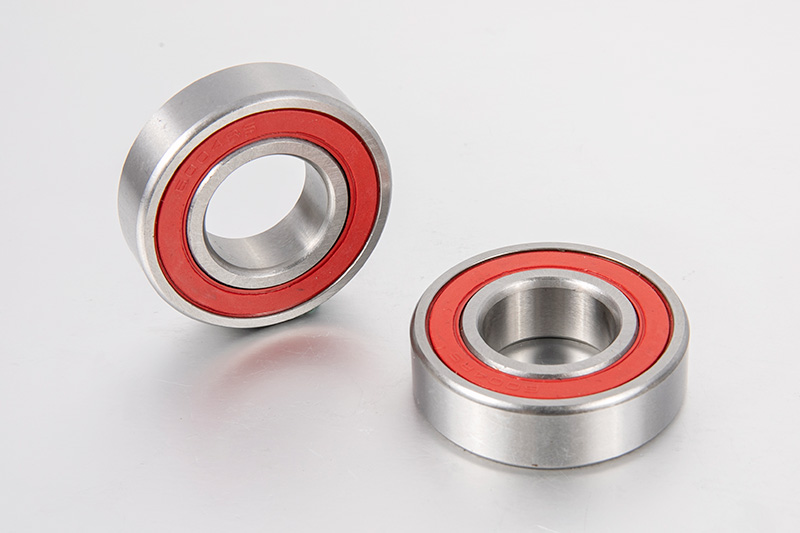
Key Features & Benefits 1. Superior Sealing Pe...

Product Overview:The 6200 Series Deep Groove Ball ...
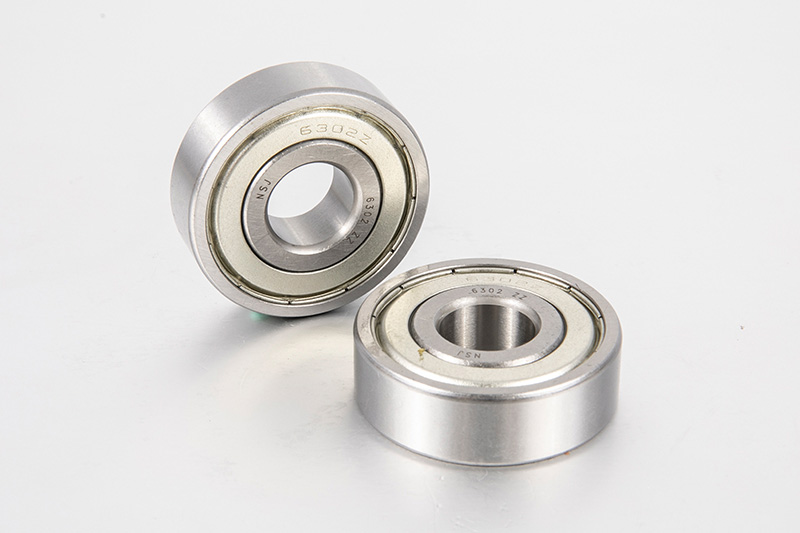
Core Differentiators: Enhanced Load Capacity: Unl...
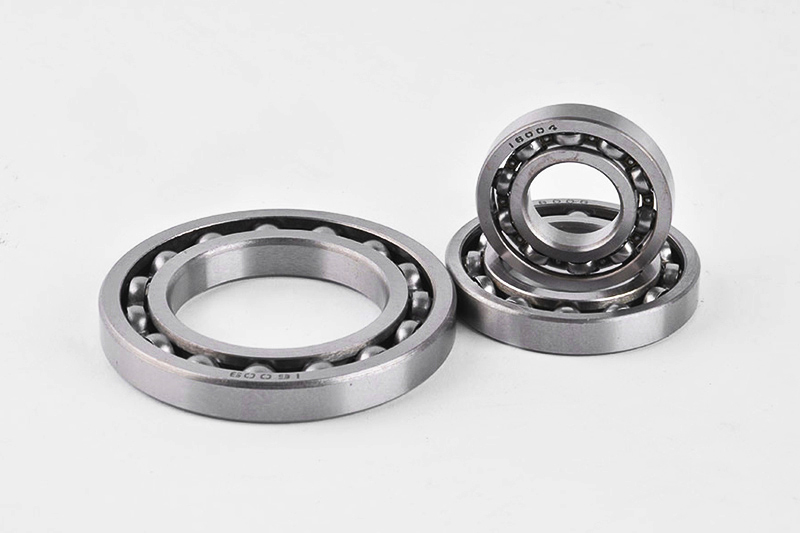
Core Technical Advantages: Maximum Space Efficien...