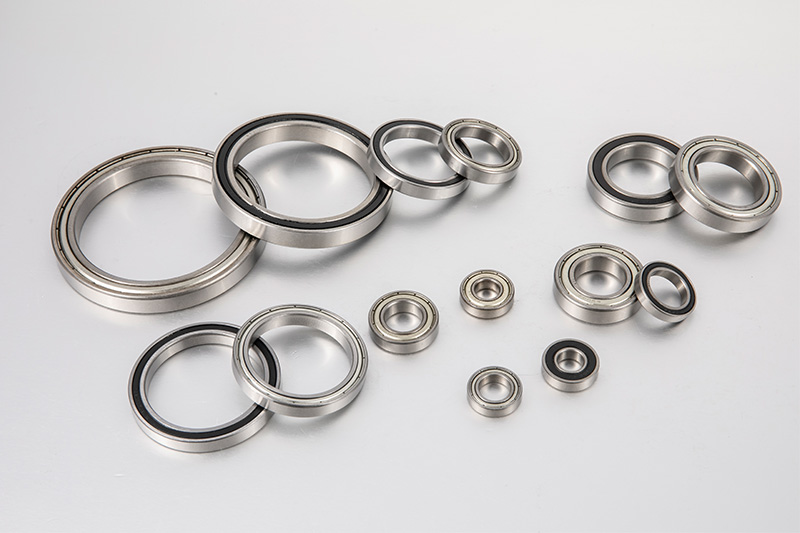
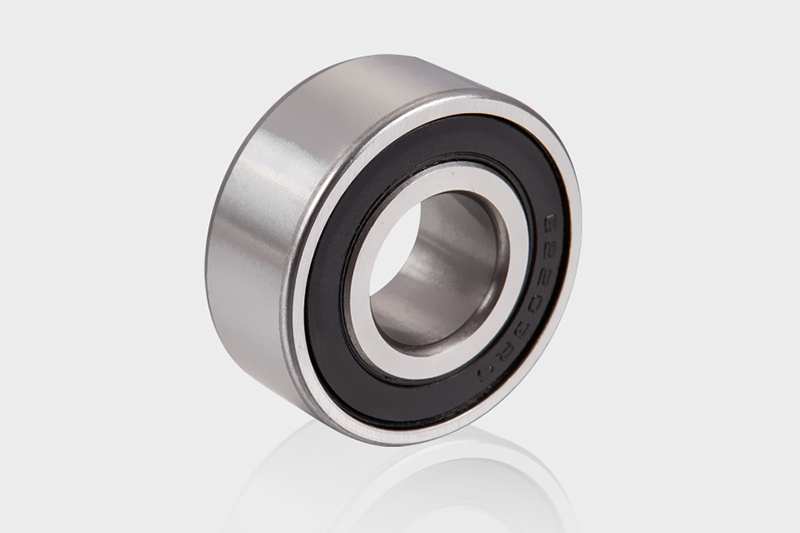
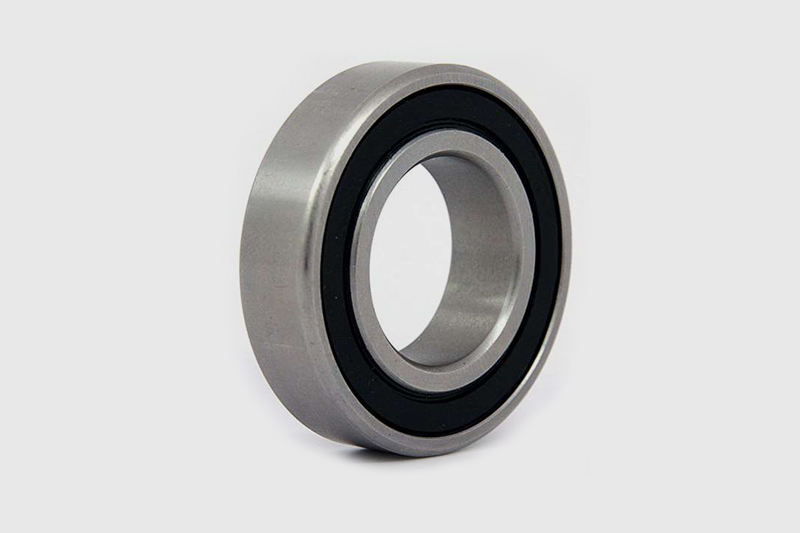
Series 1600 Chrome Steel Deep Groove Ball Bearing
Product Overview The Series 1600 Deep Groove Ball ...




Content
Angular contact ball bearings are high-precision bearings designed to handle combined radial and axial loads, making them essential components in many industrial applications. With the increasing demand for high-speed, high-precision bearings, industries are searching for solutions under keywords like “industrial angular contact bearings,” “high-speed ball bearings,” and “angular contact bearings for machinery.”
Angular contact ball bearings are commonly used where precision, load capacity, and durability are critical. They are essential in automotive, machine tool, aerospace, renewable energy, and industrial equipment. In this article, we will detail their applications and explain why they are indispensable in modern machinery.
Angular contact ball bearings are widely adopted in automotive applications because they can support axial and radial loads simultaneously, ensuring stability, efficiency, and durability. In high-speed systems such as wheel hubs and drive shafts, these bearings maintain smooth rotation while enduring significant stress.
Angular contact ball bearings are critical in machine tool applications where accuracy, speed, and rigidity are essential. They are primarily used in spindles, CNC machines, and milling equipment.
Electric motors, generators, and turbines often require bearings capable of handling combined axial and radial loads under continuous high-speed rotation. Angular contact ball bearings are ideal for these applications.
In the aerospace industry, angular contact ball bearings are indispensable due to their ability to operate reliably under extreme loads, high speeds, and temperature fluctuations.
Angular contact ball bearings are increasingly critical in renewable energy applications such as wind turbines and solar trackers, where combined load capacity and durability are essential.
Angular contact ball bearings are used extensively in industrial equipment for their ability to handle high loads and high speeds while maintaining precision and reliability.
| Industry | Typical Use Case | Key Benefit |
|---|---|---|
| Automotive | Wheel hubs, gearboxes, EV motors | High-speed stability, load support |
| Machine Tool | Spindles, CNC, milling machines | Precision, rigidity |
| Electric Motors & Turbomachinery | Generators, pumps, compressors | Efficiency, reduced heat, longevity |
| Aerospace | Jet engines, rotors, landing gear | Reliability under extreme conditions |
| Renewable Energy | Wind turbines, solar trackers | Continuous operation, durability |
| Industrial Equipment | Conveyors, gearboxes, pumps | High load, smooth rotation |
Angular contact ball bearings are critical in industries requiring precision, high-speed operation, and combined load handling. Their use across automotive, machine tools, electric motors, aerospace, renewable energy, and industrial machinery demonstrates their versatility and reliability. High-quality angular contact bearings improve equipment efficiency, reduce maintenance costs, and extend machinery lifespan, making them an indispensable choice for engineers and procurement managers.
They are widely used in automotive, machine tools, electric motors, aerospace, renewable energy, and industrial machinery.
Yes, they are specifically designed to support combined loads efficiently.
Single-row bearings handle axial loads in one direction, while double-row bearings can handle loads in both directions.
They reduce friction, vibration, and heat, extending operational life and reducing maintenance frequency.
Yes, they are designed for high-speed rotation while maintaining precision and stability.

Product Overview The Series 1600 Deep Groove Ball ...
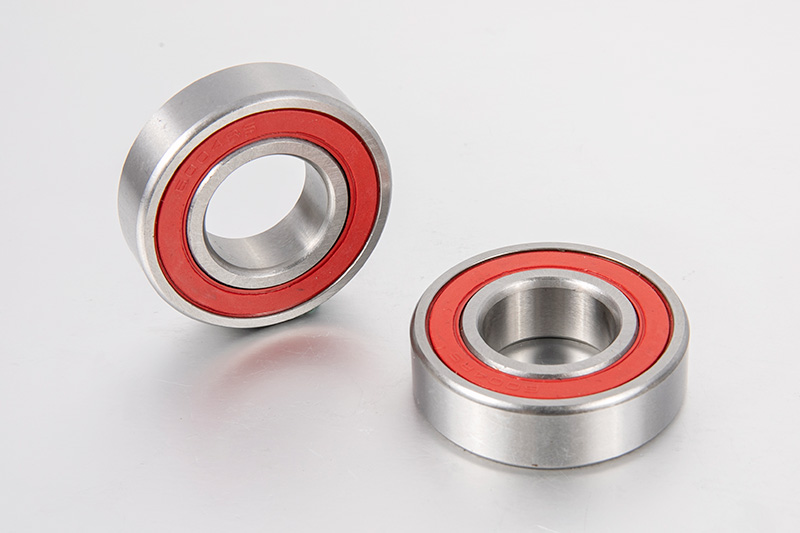
Key Features & Benefits 1. Superior Sealing Pe...

Product Overview:The 6200 Series Deep Groove Ball ...
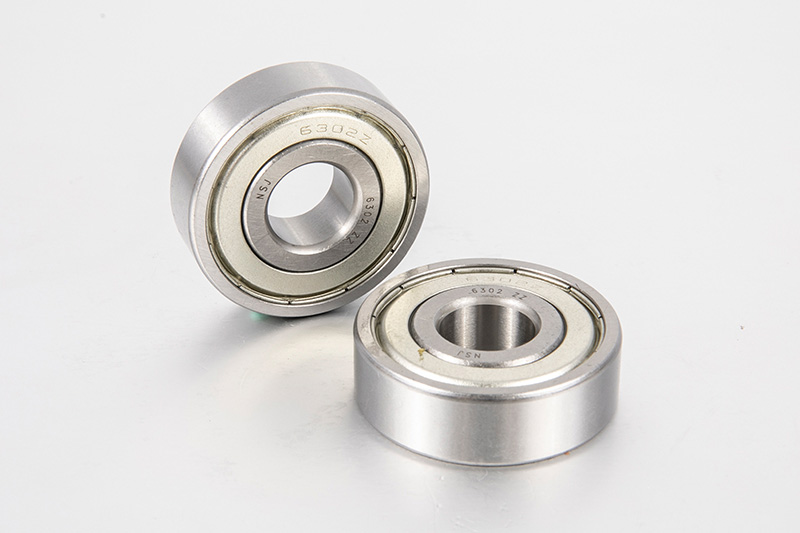
Core Differentiators: Enhanced Load Capacity: Unl...
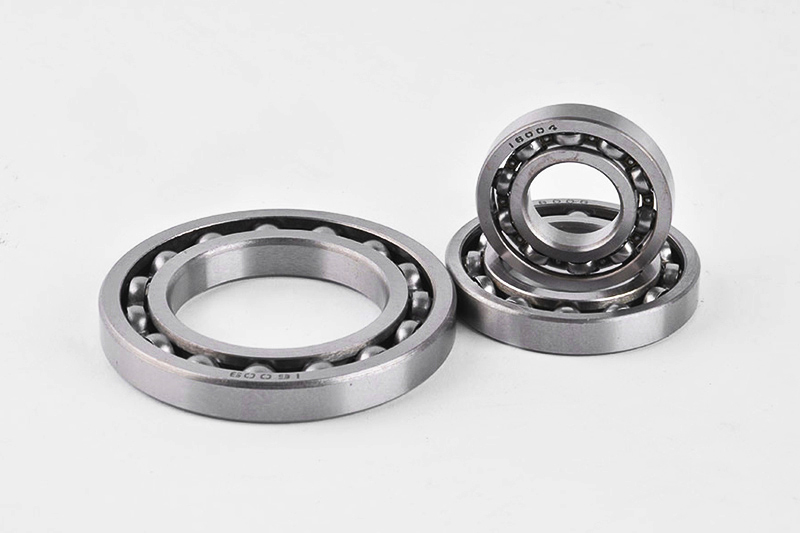
Core Technical Advantages: Maximum Space Efficien...