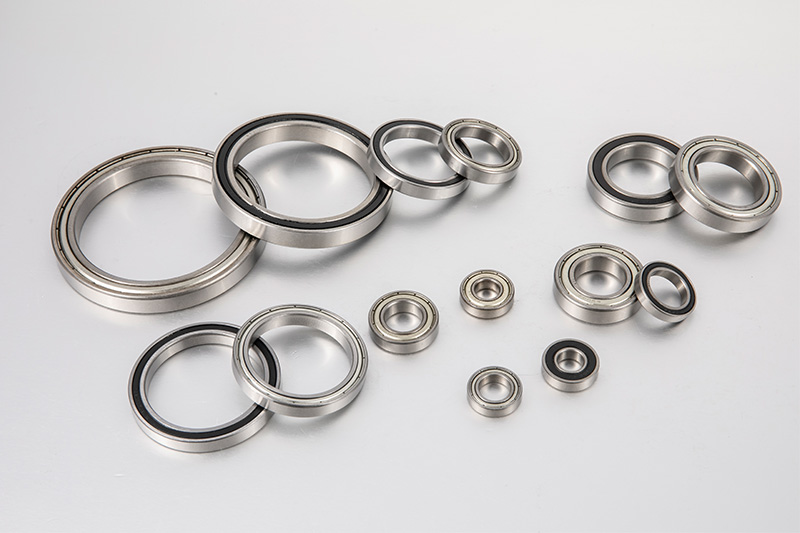
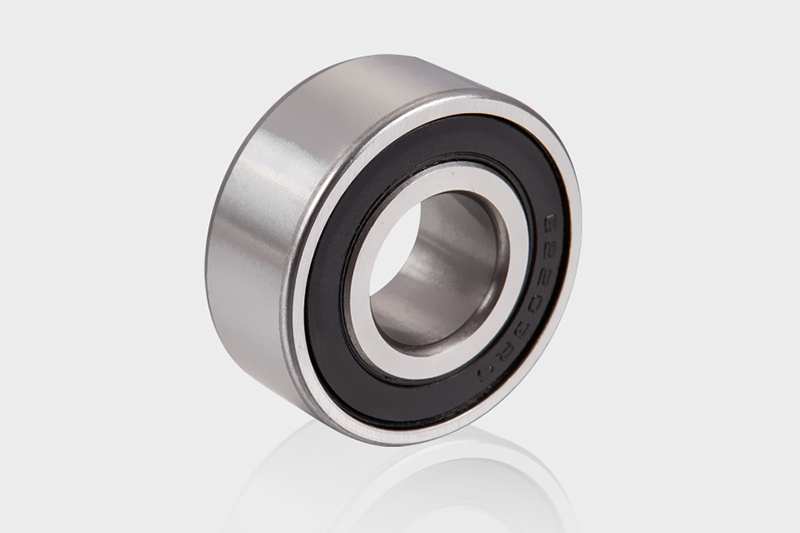
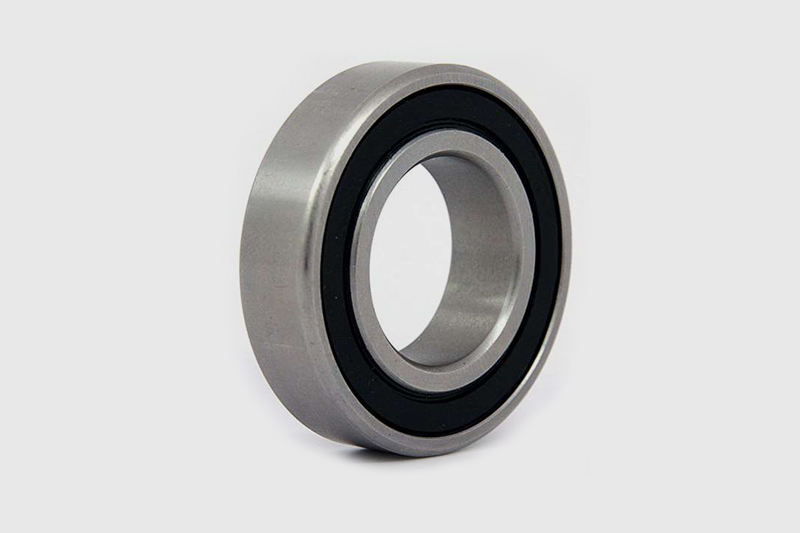
Series 1600 Chrome Steel Deep Groove Ball Bearing
Product Overview The Series 1600 Deep Groove Ball ...




Content
A sealed spherical roller bearing is a heavy-duty rolling element bearing with two rows of barrel-shaped rollers running on a common spherical raceway in the outer ring, fitted with integrated seals on both sides to keep lubricant in and contaminants out. The spherical raceway allows the bearing to self-align and accommodate shaft misalignment of roughly 0.5° to 2°, while the integrated seals eliminate the need for external shields or separate sealing devices, making sealed versions the preferred choice wherever dust, moisture, or washdown exposure would otherwise shorten bearing life.
Core Design and How the Bearing Functions
A spherical roller bearing uses two rows of asymmetric or symmetric barrel-shaped rollers positioned between a common outer raceway with a spherical profile and two inner raceways set at an angle to the bearing axis. This geometry is what allows the bearing to handle both heavy radial loads and moderate thrust loads in either direction, while still tolerating shaft misalignment that would cause a standard ball bearing to bind or wear prematurely.
In a sealed version, contact or non-contact seals are fitted into grooves on both sides of the outer ring, pressing lightly against the inner ring or a seal counter-face. This creates a semi-permanent barrier that retains the factory-fill grease and blocks the entry of dust, water, and abrasive particles — the leading cause of premature failure in open bearings operating in harsh environments.
Not all seals offer the same level of protection or the same friction characteristics. Manufacturers typically offer several seal configurations depending on the target application.
| Seal Type | Contamination Protection | Friction / Speed Impact |
|---|---|---|
| Contact lip seal (single) | Good | Moderate friction, moderate speed limit |
| Double/triple lip contact seal | Excellent | Higher friction, lower speed limit |
| Non-contact labyrinth seal | Moderate to good | Low friction, higher speed capability |
| Shield (non-contact metal cover) | Basic, dust only | Minimal friction, highest speed capability |
Contact lip seals remain the most common choice for general heavy industrial service because they offer a reliable balance of contamination protection and acceptable friction, while labyrinth seals are increasingly specified in higher-speed applications where minimizing heat generation is a priority alongside contamination control.
Choosing between a sealed and an open bearing depends heavily on the operating environment, relubrication practicality, and total cost of ownership rather than upfront price alone.
In contamination-heavy industries such as mining, cement, and pulp and paper, studies by major bearing manufacturers have shown sealed spherical roller bearings can extend service life by two to three times compared to open bearings relying on external labyrinth seals alone, largely by preventing the fine abrasive particulate that accelerates raceway and roller wear.
Spherical roller bearings are rated using two key values: dynamic load rating (C), which relates to fatigue life under rotating load, and static load rating (C0), which reflects the maximum load the bearing can withstand without permanent deformation while stationary or under very slow rotation.
| Bore Size | Dynamic Load Rating (C) | Static Load Rating (C0) |
|---|---|---|
| 50 mm | ~120 kN | ~135 kN |
| 100 mm | ~350 kN | ~440 kN |
| 150 mm | ~660 kN | ~900 kN |
| 200 mm | ~1,050 kN | ~1,500 kN |
These figures vary by manufacturer, series, and roller configuration, so the values above should be treated as approximate references. Always confirm exact ratings from the specific product catalog, since two bearings with identical bore diameters can have meaningfully different load ratings depending on internal design and series (such as E, EA, or CC designations used by major manufacturers).
Seal friction generates heat, which places a practical ceiling on the rotational speed a sealed spherical roller bearing can sustain compared to an open equivalent.
Sealed spherical roller bearings are specified wherever heavy loads combine with a contaminated or difficult-to-maintain operating environment.
In vibrating screen applications specifically, sealed spherical roller bearings are considered essential rather than optional, since these bearings operate under continuous dynamic loading in an environment saturated with fine abrasive dust — conditions where an open bearing's service life can be measured in months rather than years.
Selecting the right sealed spherical roller bearing involves matching several specifications to your actual operating conditions rather than defaulting to the most heavily sealed option available.
For example, a vibrating screen bearing in an aggregate quarry would typically call for a sealed spherical roller bearing with double-lip contact seals and standard grease fill, while a high-speed fan shaft bearing in a clean indoor facility might be better served by an open or shielded spherical roller bearing to avoid the speed limitation that heavier sealing introduces.

Product Overview The Series 1600 Deep Groove Ball ...
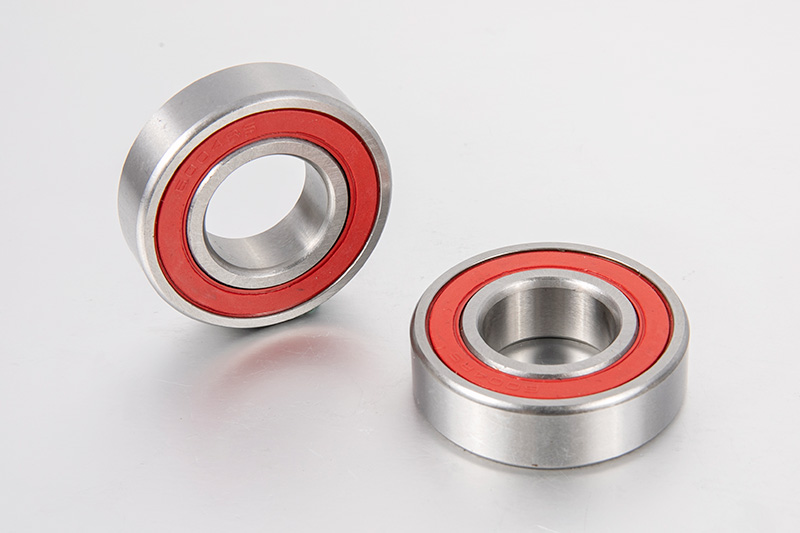
Key Features & Benefits 1. Superior Sealing Pe...

Product Overview:The 6200 Series Deep Groove Ball ...
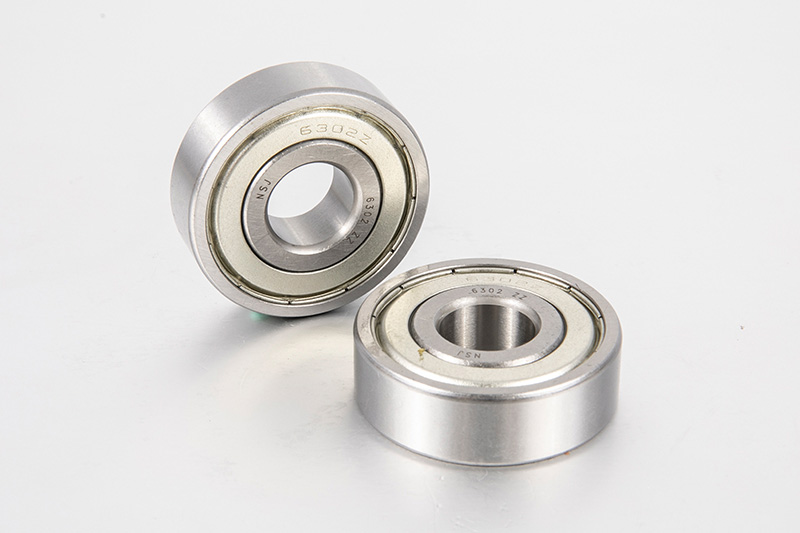
Core Differentiators: Enhanced Load Capacity: Unl...
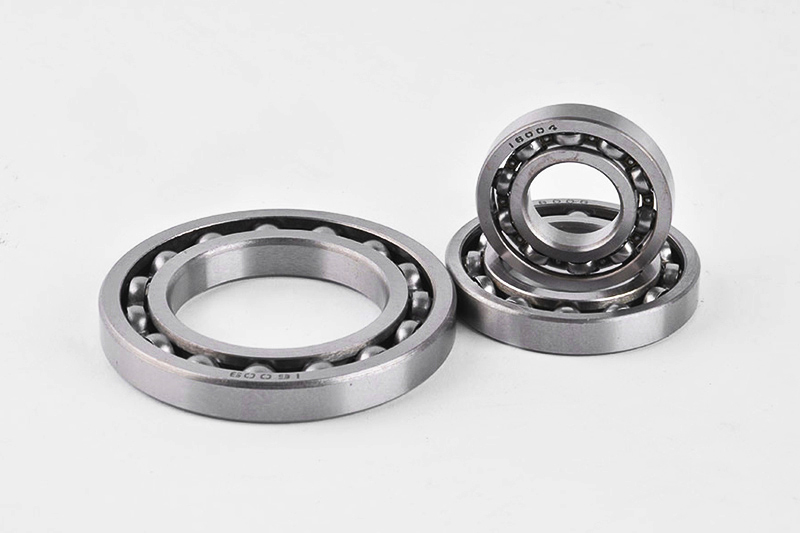
Core Technical Advantages: Maximum Space Efficien...