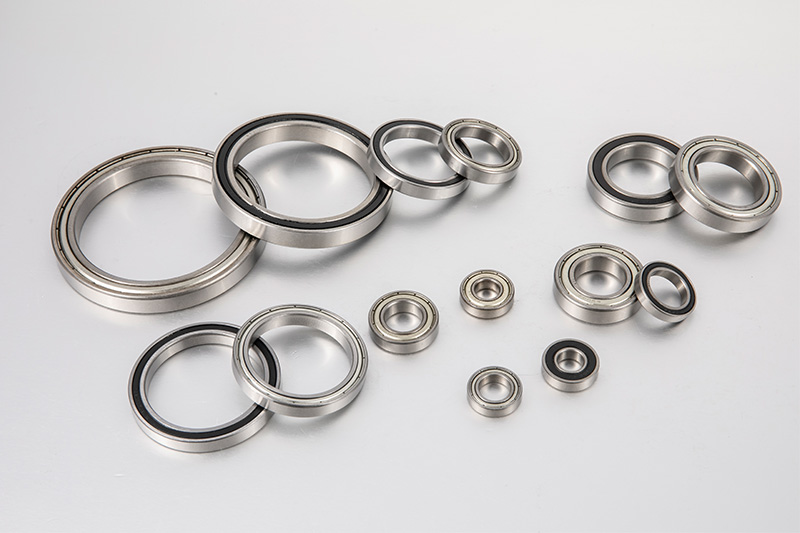
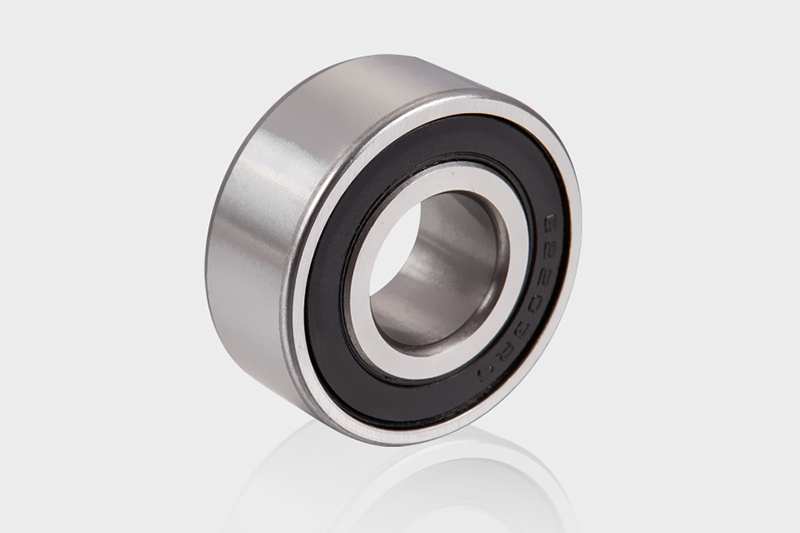
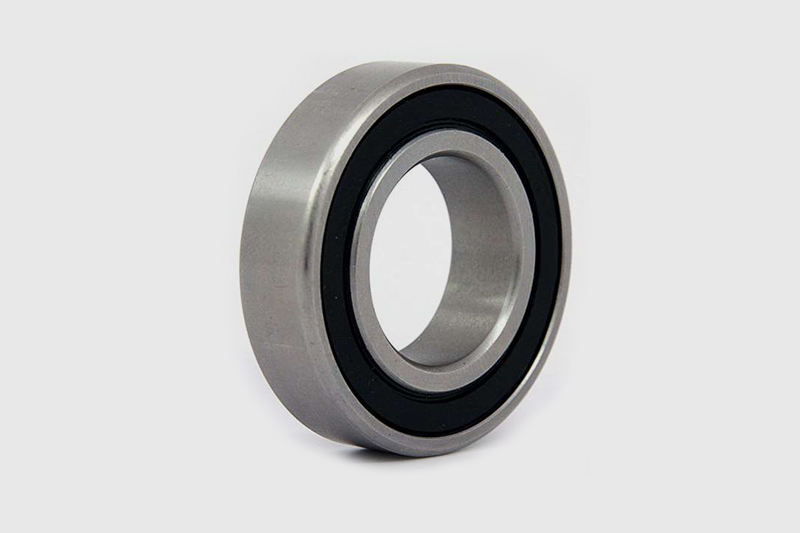
Series 1600 Chrome Steel Deep Groove Ball Bearing
Product Overview The Series 1600 Deep Groove Ball ...




Content
A cylindrical roller bearing is a rolling-element bearing that uses cylinder-shaped rollers, instead of balls, positioned between an inner and outer raceway to support radial loads with high efficiency. Because the rollers make line contact with the raceways rather than the point contact seen in ball bearings, cylindrical roller bearings can carry significantly higher radial loads and resist shock better in the same physical size.
They work by allowing the rollers to rotate freely within a cage that keeps them evenly spaced, rolling along the inner ring and outer ring raceways as the shaft turns. This line-contact rolling motion reduces friction while distributing load across a wider surface area, which is why cylindrical roller bearings can often handle 2 to 4 times the radial load capacity of a comparable ball bearing at the same bore size.
Every cylindrical roller bearing is built from four main parts that work together to support rotation and load:
Some designs also include ribs (flanges) on the inner or outer ring to guide the rollers axially and, in certain configurations, allow the bearing to carry limited thrust load in addition to radial load.
The defining mechanical feature of a cylindrical roller bearing is line contact. Where a ball bearing touches the raceway at a single point, a cylindrical roller touches it along its entire length. This spreads the load over a much larger surface area, which lowers the contact stress (measured in psi or MPa) and allows the bearing to support heavier radial loads without premature surface fatigue.
Many cylindrical roller bearings (such as the N and NU series) are designed to let the inner ring float axially relative to the outer ring. This makes them ideal as "floating" bearings in a shaft system, accommodating thermal expansion without inducing internal stress — a common failure point in fixed-position bearings operating in high-temperature machinery.
Cylindrical roller bearings are categorized by their ring and rib arrangement, which determines whether they can handle axial (thrust) loads in addition to radial loads.
| Type Code | Configuration | Load Capability |
|---|---|---|
| NU | Ribs on outer ring only | Radial only; allows axial float |
| NJ | Ribs on outer ring + one rib on inner ring | Radial plus limited one-direction thrust |
| NUP | Ribs on both rings plus a loose locating ring | Radial plus two-direction thrust |
| NN / NNU | Double-row design | High radial load, high precision |
Cylindrical roller bearings are chosen over ball bearings or other roller bearing types for several practical reasons:
Because of their high radial load capacity and speed tolerance, cylindrical roller bearings are widely used across heavy industry and precision equipment:
Cylindrical roller bearings are not universally ideal. Their design trades off some capabilities that other bearing types handle better:
When selecting a cylindrical roller bearing, match the configuration to the load direction your application requires. Use NU-type bearings for pure radial load with axial float, NJ or NUP types when some thrust control is needed, and double-row NN types for high-precision, high-load spindle applications.
Proper lubrication is critical: insufficient oil or grease film is the leading cause of premature roller skewing and surface fatigue, so following the manufacturer's recommended lubrication interval and viscosity grade significantly extends service life. Regular vibration monitoring can also catch early-stage roller or raceway damage before it leads to catastrophic bearing failure.
Cylindrical roller bearings work by using line-contact rollers to distribute radial loads across a wider surface than ball bearings, making them the preferred choice for heavy machinery, motors, and gearboxes that demand high radial load capacity at moderate to high speeds. Choosing the right configuration — NU, NJ, NUP, or double-row — depends on whether your application needs pure radial support, limited thrust capacity, or maximum precision under heavy load, and proper lubrication remains the single biggest factor in maximizing their operational lifespan.

Product Overview The Series 1600 Deep Groove Ball ...
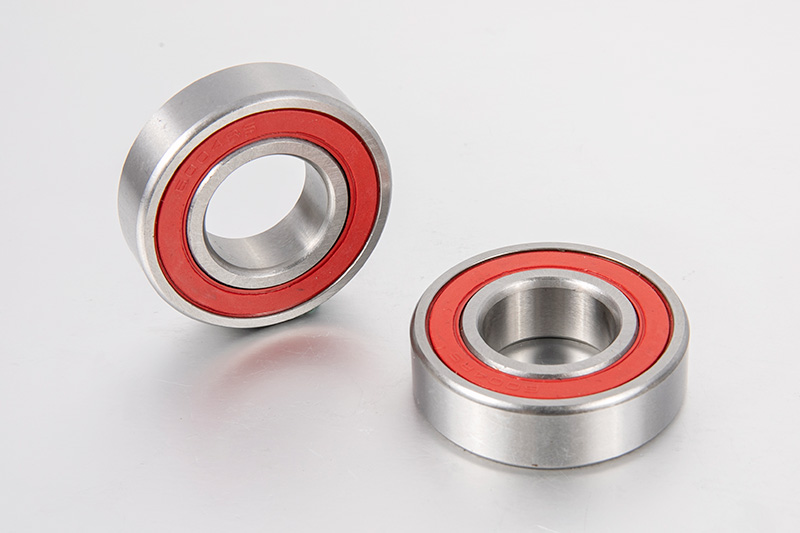
Key Features & Benefits 1. Superior Sealing Pe...

Product Overview:The 6200 Series Deep Groove Ball ...
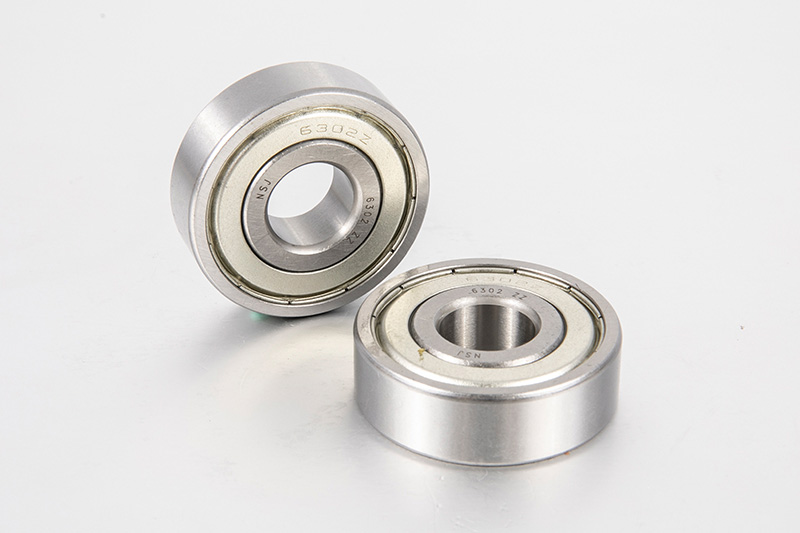
Core Differentiators: Enhanced Load Capacity: Unl...
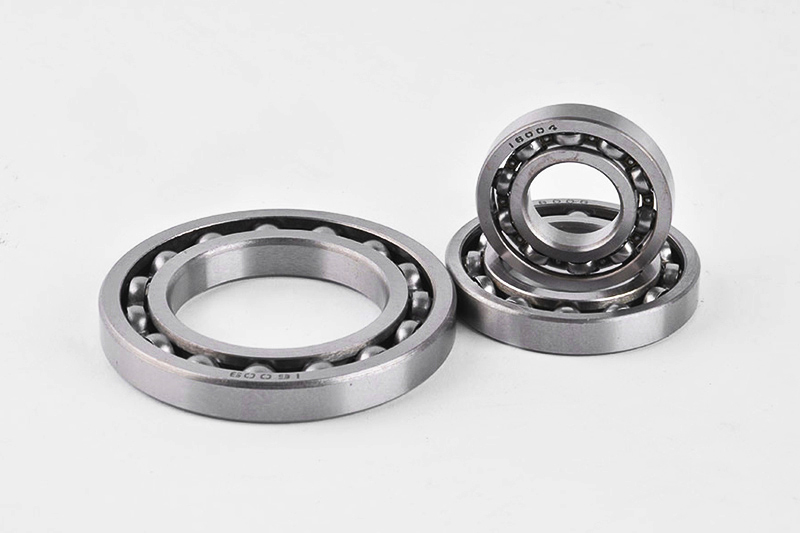
Core Technical Advantages: Maximum Space Efficien...