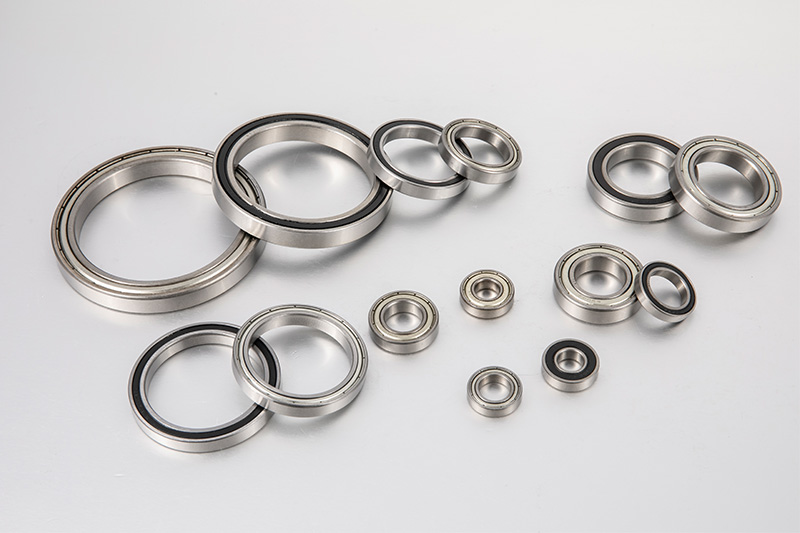
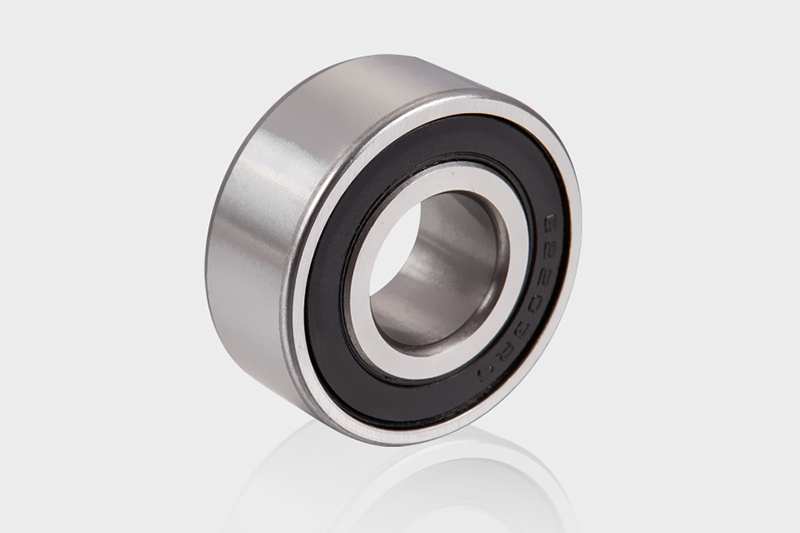
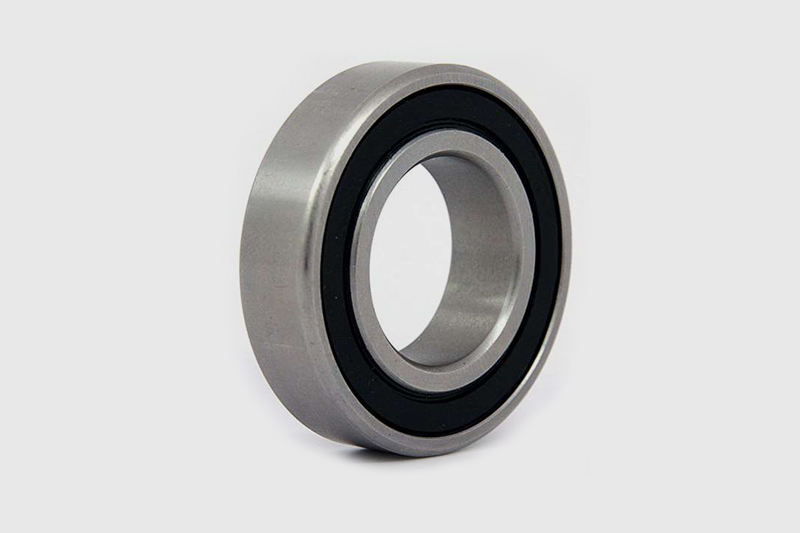
Series 1600 Chrome Steel Deep Groove Ball Bearing
Product Overview The Series 1600 Deep Groove Ball ...




Content
Taper roller bearings are essential in automotive wheel hubs because their conical roller and raceway design allows them to support combined radial and axial (thrust) loads simultaneously — something a wheel hub constantly experiences from vehicle weight, cornering forces, and braking. No other common bearing type handles this dual-load condition as efficiently in a compact package, which is why taper roller bearings remain the standard choice for non-driven and many driven wheel hubs across passenger cars, trucks, and trailers.
In a wheel hub assembly, the wheel must rotate smoothly under the vehicle's weight (radial load) while also resisting sideways forces generated during turning and uneven road surfaces (axial load). A taper roller bearing's angled raceway can transfer these combined forces along its cone axis, distributing stress evenly across the rollers instead of concentrating it at a single contact point, which is exactly what a wheel hub demands during daily driving.
Unlike cylindrical or ball bearings, taper roller bearings use cone-shaped rollers arranged between an inner cone and outer cup. The rolling surfaces and raceways are angled so that, if extended, their lines would converge at a single point on the bearing's central axis. This geometry allows the bearing to convert radial force into a combination of radial and axial reaction, which is precisely why it handles the multi-directional loading a rotating wheel produces.
Because a single taper roller bearing can only take thrust load in one direction, wheel hubs almost always use them in matched pairs — mounted back-to-back or face-to-face. This setup allows the hub assembly to resist axial forces from both directions, which is critical since a vehicle turning left and right generates opposing lateral loads on the wheel bearing.
A wheel hub bearing operates under several distinct load types during normal driving, all of which taper roller bearings are specifically engineered to manage:
Passenger vehicle wheel hub bearings typically must withstand radial loads in the range of several thousand newtons under normal driving conditions, with peak shock loads several times higher during hard cornering or pothole impacts — a load profile that ball bearings alone struggle to match without a larger footprint.
Automotive engineers select from several taper roller bearing arrangements depending on the vehicle class and whether the hub is driven or non-driven.
| Configuration | Typical Application | Advantage |
|---|---|---|
| Single-Row Paired Set | Older passenger cars, light trucks | Adjustable preload, serviceable design |
| Double-Row Hub Unit (Gen 1/2) | Modern passenger vehicles | Compact, sealed, low maintenance |
| Integrated Hub with ABS Sensor (Gen 3) | Modern driven wheel hubs | Combines bearing, flange, and sensor in one unit |
| Four-Row Taper Bearing | Heavy trucks and trailers | High load capacity for heavy axle weight |
While ball bearings and cylindrical roller bearings are used in some hub applications, neither matches the taper roller bearing's balance of radial and axial load handling in this specific role:
This is why taper roller bearings remain the default choice for most non-driven wheel hubs and many driven hub units, particularly in trucks, SUVs, and trailers where load capacity and durability outweigh the slightly higher rolling friction compared to ball bearings.
Unlike sealed ball bearings, adjustable taper roller bearing hubs require correct preload setting during installation. Preload refers to the slight internal load applied when tightening the hub nut, which removes internal clearance and ensures the rollers maintain proper contact with the raceways under operating load.
Incorrect preload is one of the most common causes of premature wheel bearing failure — too little preload causes looseness, vibration, and accelerated wear from impact loading, while too much preload generates excess heat and friction that can shorten bearing life dramatically, sometimes by tens of thousands of miles compared to a properly adjusted bearing. This is why modern vehicles increasingly use pre-set, sealed hub bearing units (Gen 2 and Gen 3 designs) that eliminate field adjustment entirely.
Recognizing early bearing wear helps prevent more serious drivetrain or safety issues. Common warning signs include:
Taper roller bearings are essential to automotive wheel hubs because their conical design is uniquely suited to handling the combined radial and axial loads a rotating wheel experiences during driving, cornering, and braking. Whether used in adjustable paired sets or modern sealed hub units, they remain the industry standard for load capacity and durability, and correct preload during installation continues to be the single most important factor in maximizing their service life and preventing premature wheel bearing failure.

Product Overview The Series 1600 Deep Groove Ball ...
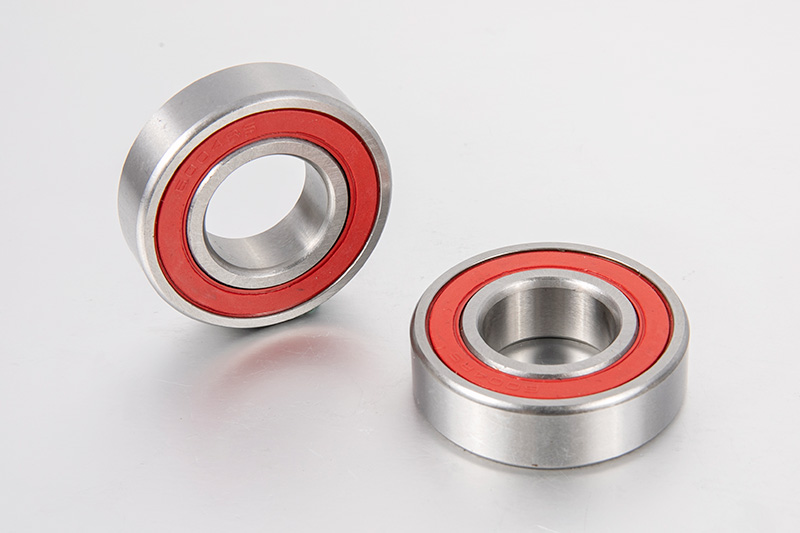
Key Features & Benefits 1. Superior Sealing Pe...

Product Overview:The 6200 Series Deep Groove Ball ...
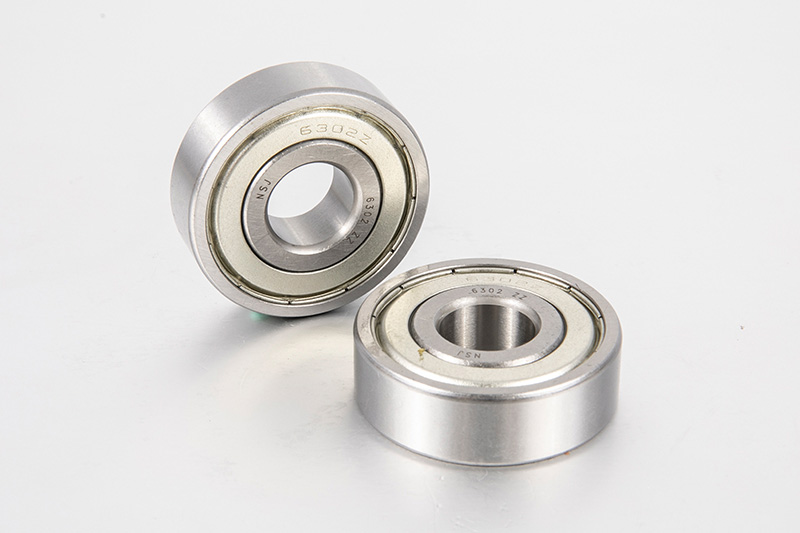
Core Differentiators: Enhanced Load Capacity: Unl...
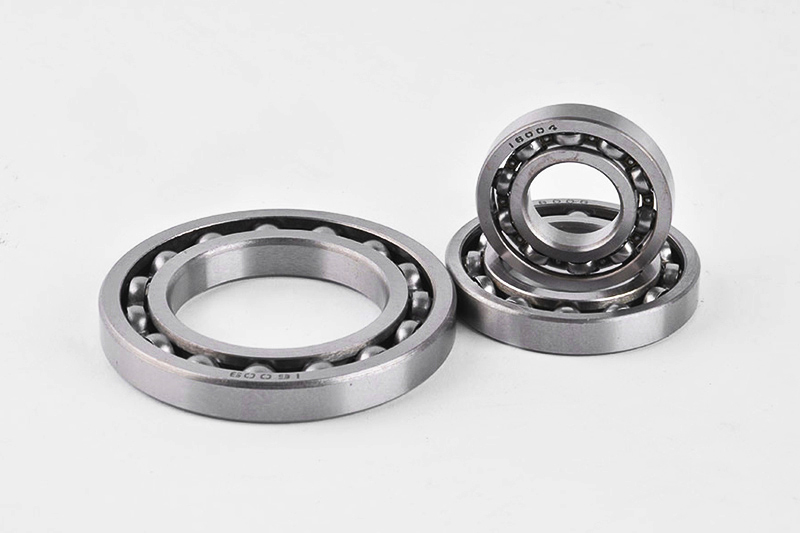
Core Technical Advantages: Maximum Space Efficien...