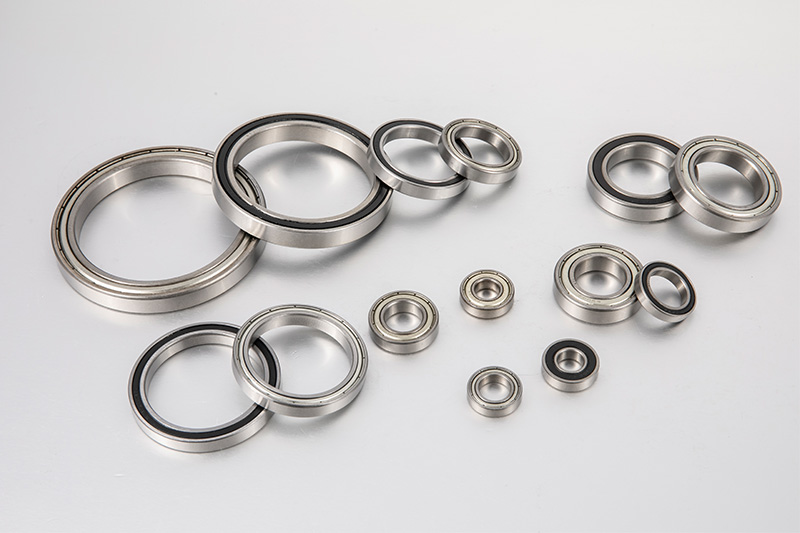
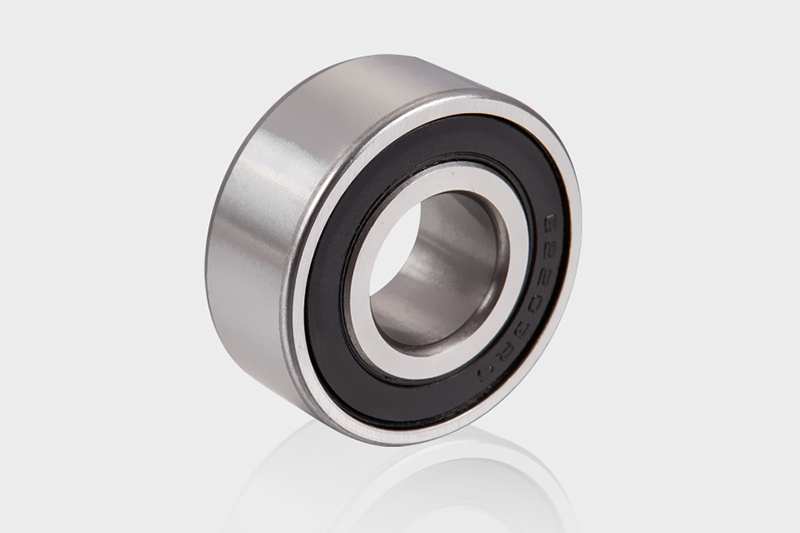
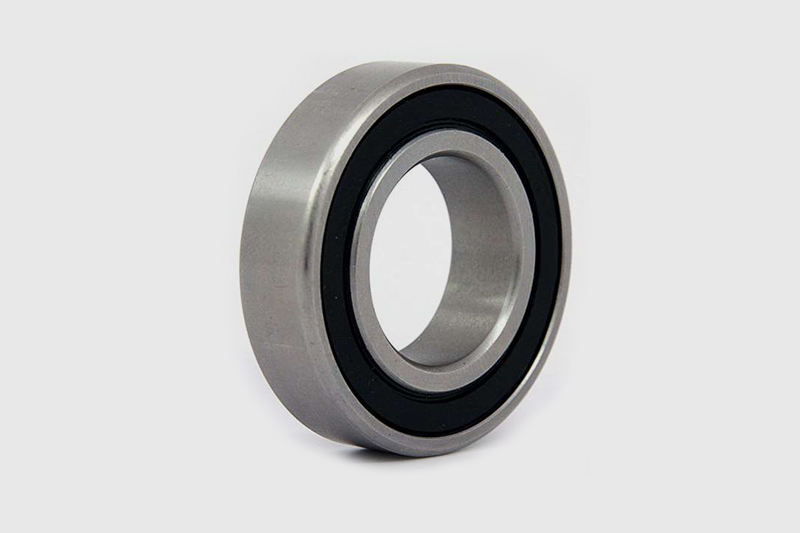
Series 1600 Chrome Steel Deep Groove Ball Bearing
Product Overview The Series 1600 Deep Groove Ball ...




Content
Before unboxing your Pillow Block Bearing Units, it is critical to understand that the installation environment dictates the service life of the component. Many industrial maintenance teams overlook the preparation stage, leading to a phenomenon known as “infant mortality” of the bearing.
The shaft is the primary interface for any mounted bearing. For a standard set screw locking pillow block, the shaft should ideally be precision-ground.
The “Pillow” or housing base must sit on a perfectly flat surface. If the mounting plate is warped or uneven, tightening the bolts will distort the housing. This distortion puts an elliptical load on the outer race, leading to rapid fatigue and noise.
Properly executing the mechanical connection between the bearing insert and the cast iron housing is where most technical errors occur. Following a standardized SOP (Standard Operating Procedure) is essential for operational reliability.
Slide the bearing unit onto the shaft. If you are installing multiple units on a long shaft, ensure they are aligned in a straight line to prevent “shaft bowing.”
Once the shaft is positioned, insert the mounting bolts into the base. Tighten them to a “snug-fit” first. This allows for final micro-adjustments before the bearing is locked to the shaft. Using high-grade bolts (Class 8.8 or higher) is recommended to prevent bolt stretching over time.
This is the most critical step. There are three common locking mechanisms, each requiring a specific approach:
Once the unit is bolted down, the work isn’t finished. Testing under “no-load” conditions can reveal installation errors before they become catastrophic failures.
Before powering up the drive motor, rotate the shaft by hand. You should feel smooth, consistent resistance. If you feel “notchy” spots or binding, the bearing is likely misaligned or the shaft is bent.
To help your team identify risks, refer to the following comparison table:
| Symptom | Probable Cause | Corrective Action |
|---|---|---|
| High-Pitched Squealing | Lack of Lubrication / Blown Seal | Re-grease or replace seal |
| Deep Grinding Noise | Raceway Brinelling (Hammering during install) | Replace bearing; avoid impact tools |
| Excessive Vibration | Loose Set Screws / Undersized Shaft | Use correct shaft tolerance |
| Housing Cracking | Uneven Mounting Surface | Shim the base for total flatness |
Q: Can I use a hammer to drive the bearing onto the shaft?
A: Never strike the bearing directly. If the fit is tight, use a sleeve that presses only against the inner ring. Striking the housing or the seals will cause immediate internal damage (brinelling).
Q: Do new Pillow Block Units need to be greased before the first run?
A: Most premium units come pre-filled with a 30%-40% grease charge. However, in extreme environments (high moisture or dust), a small “top-off” while the shaft is rotating can help purge any contaminants from the seals.
Q: How do I know if I need a Cast Iron or a Stainless Steel housing?
A: Cast iron is the standard for general industrial use. Stainless steel or thermoplastic housings are reserved for “washdown” environments like food processing or chemical plants where corrosion resistance is the priority.

Product Overview The Series 1600 Deep Groove Ball ...
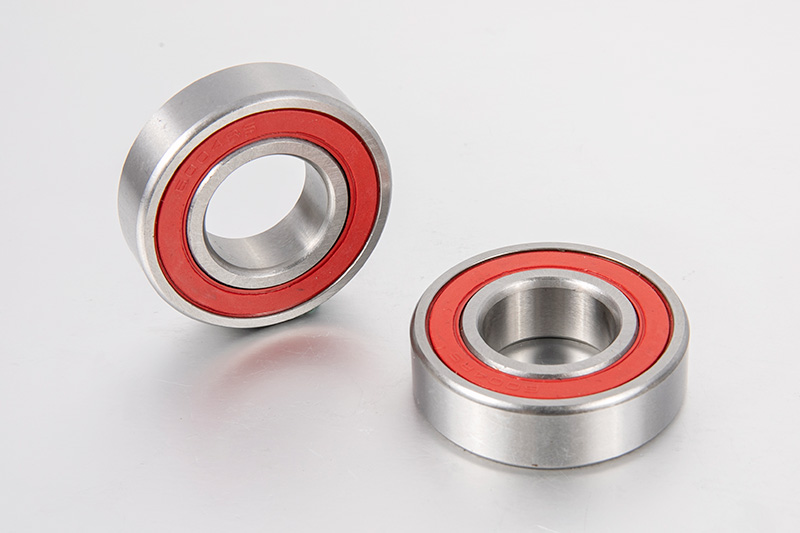
Key Features & Benefits 1. Superior Sealing Pe...

Product Overview:The 6200 Series Deep Groove Ball ...
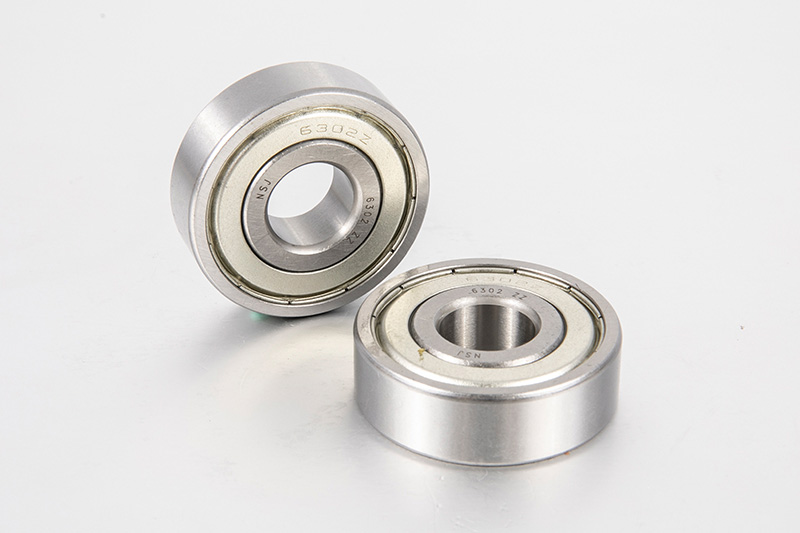
Core Differentiators: Enhanced Load Capacity: Unl...
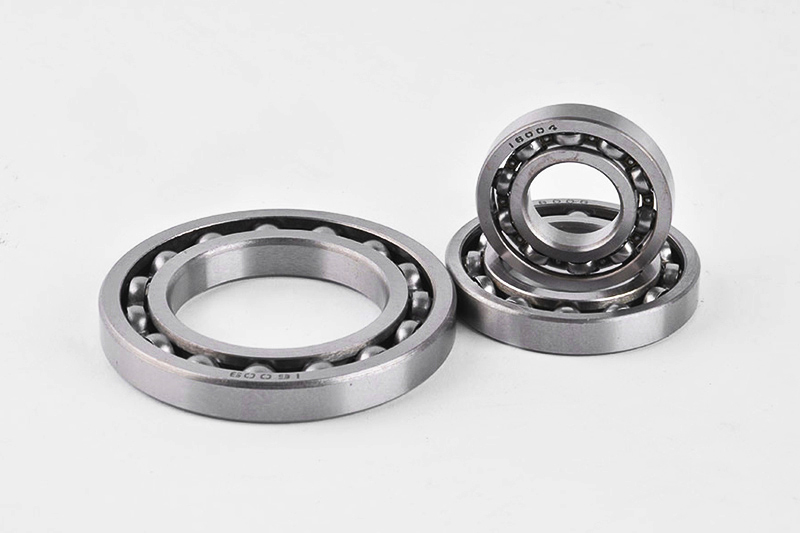
Core Technical Advantages: Maximum Space Efficien...