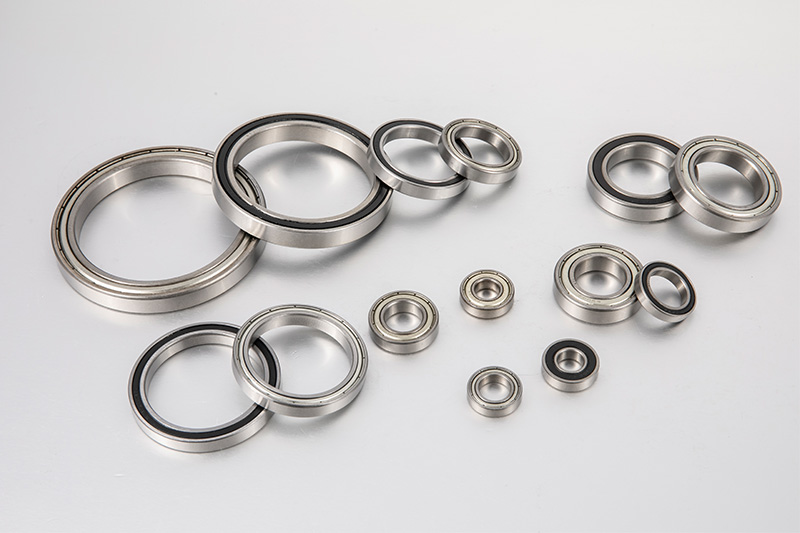
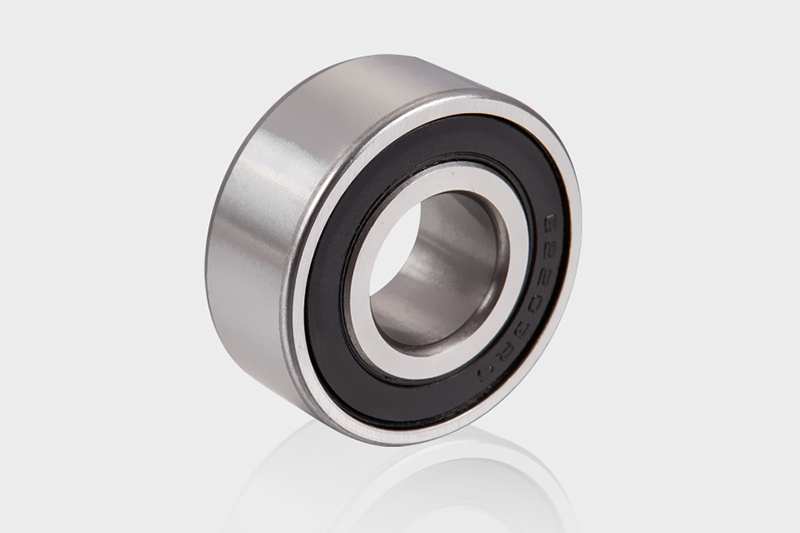
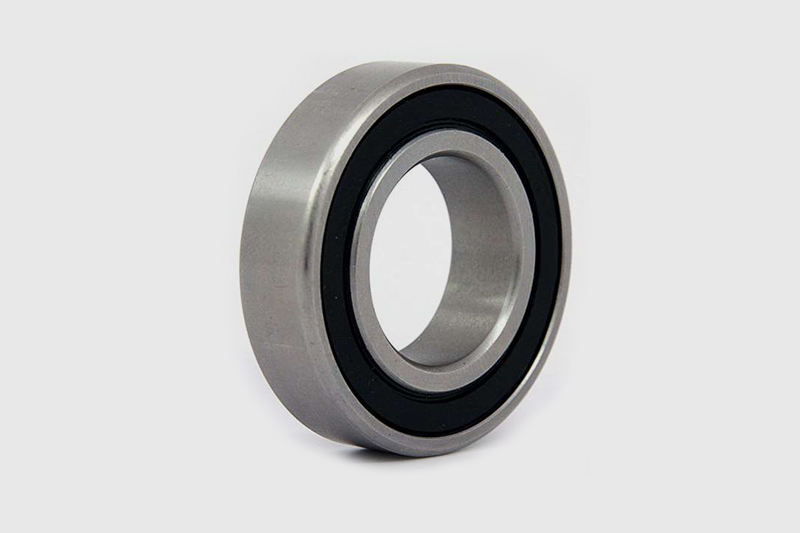
Series 1600 Chrome Steel Deep Groove Ball Bearing
Product Overview The Series 1600 Deep Groove Ball ...




Content
Choose a sealed spherical roller bearing for dirty, wet, or hard-to-relubricate environments, and an open spherical roller bearing for clean, high-speed, or high-temperature applications where heat needs to escape freely. Sealed bearings keep contaminants out and grease in, making them the default choice for mining, agriculture, and outdoor equipment. Open bearings run cooler and accept higher speeds because nothing restricts airflow or grease circulation, which is why they remain standard in clean industrial settings like gearboxes and machine tools.
The sections below compare how each type handles contamination, heat, speed, and maintenance, then walk through a decision framework so you can match the right one to your specific application.
A spherical roller bearing uses two rows of barrel-shaped rollers on a common spherical raceway, allowing it to self-align and absorb both radial and axial loads. The "sealed" or "open" designation refers only to what sits between the inner and outer rings:
The internal load-carrying components — rollers, cage, and raceways — are identical in both versions. The seal is an add-on, not a different bearing design, which is why sealed and open versions of the same bore size carry nearly identical load ratings.
| Factor | Sealed Bearing | Open Bearing |
|---|---|---|
| Contamination resistance | High — built-in barrier | Low — depends on housing seals |
| Maximum operating speed | Lower (seal friction limits speed) | Higher |
| Heat dissipation | Reduced — seal traps some heat | Better — open airflow |
| Relubrication interval | Longer — grease is retained | Shorter — more frequent regreasing |
| Initial cost | 10-20% higher than open equivalent | Lower |
| Best environment | Dusty, wet, hard-to-access locations | Clean, controlled, high-speed settings |
Sealed spherical roller bearings extend service life significantly in contaminated environments because the seal blocks dust, water, and abrasive particles that would otherwise score the raceway and accelerate wear. They're the standard choice in:
Open bearings are preferred wherever speed and heat management matter more than contamination resistance, since the seal lip on a sealed bearing generates friction that can reduce the maximum permissible speed by 20-30% compared to the open version of the same bearing.
When in doubt, sealed is the safer default for most industrial and outdoor equipment, since the moderate speed and cost trade-off is usually outweighed by the reduction in contamination-related failures.

Product Overview The Series 1600 Deep Groove Ball ...
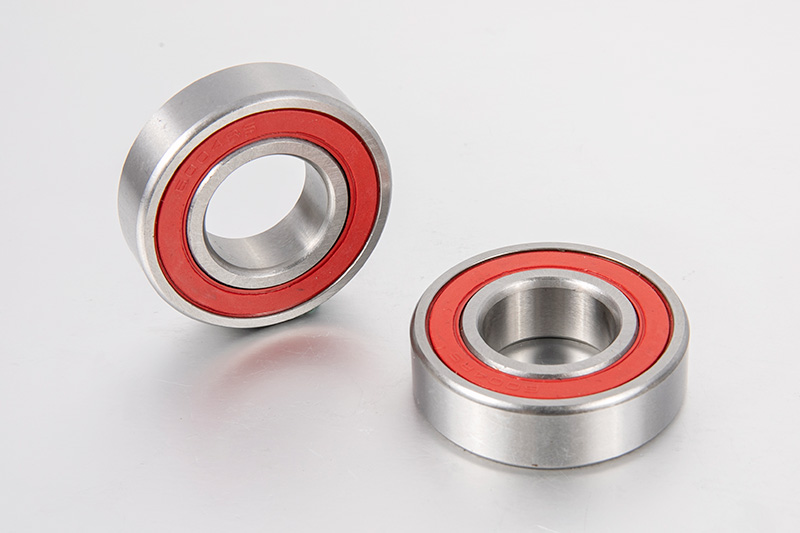
Key Features & Benefits 1. Superior Sealing Pe...

Product Overview:The 6200 Series Deep Groove Ball ...
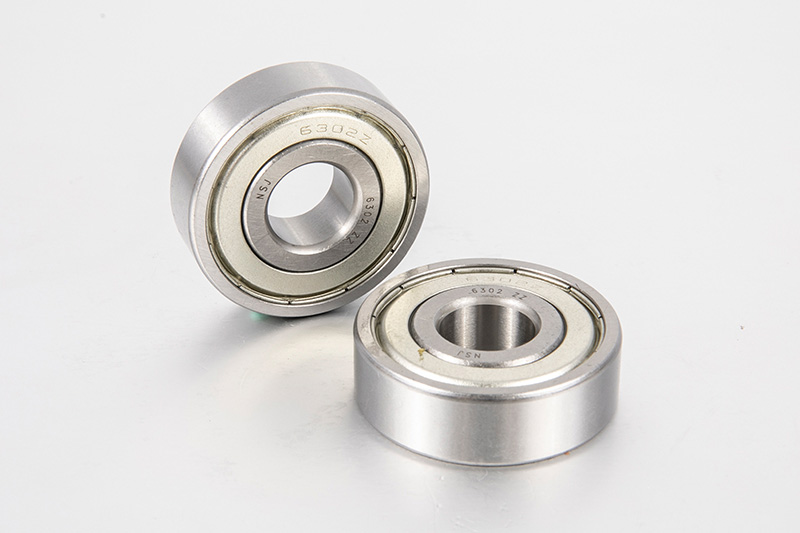
Core Differentiators: Enhanced Load Capacity: Unl...
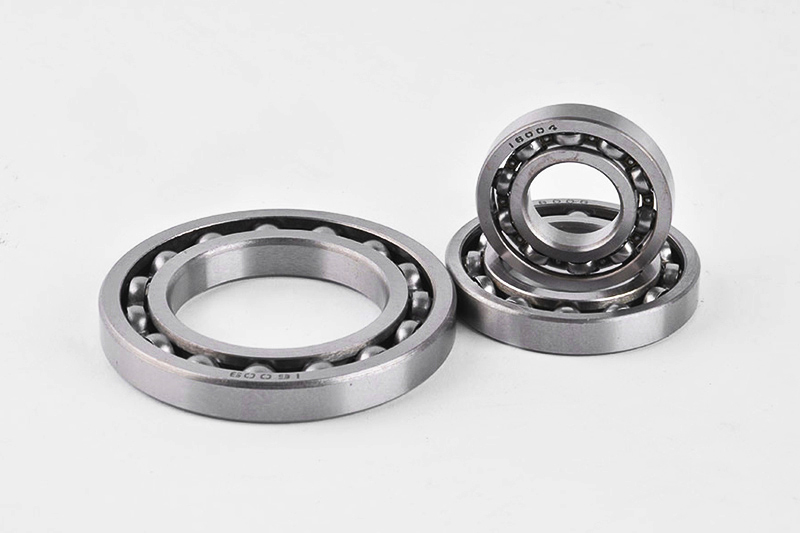
Core Technical Advantages: Maximum Space Efficien...