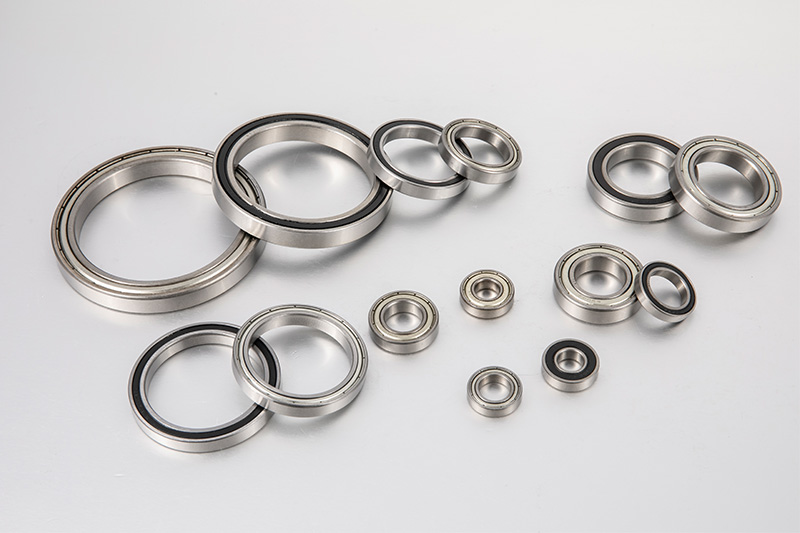
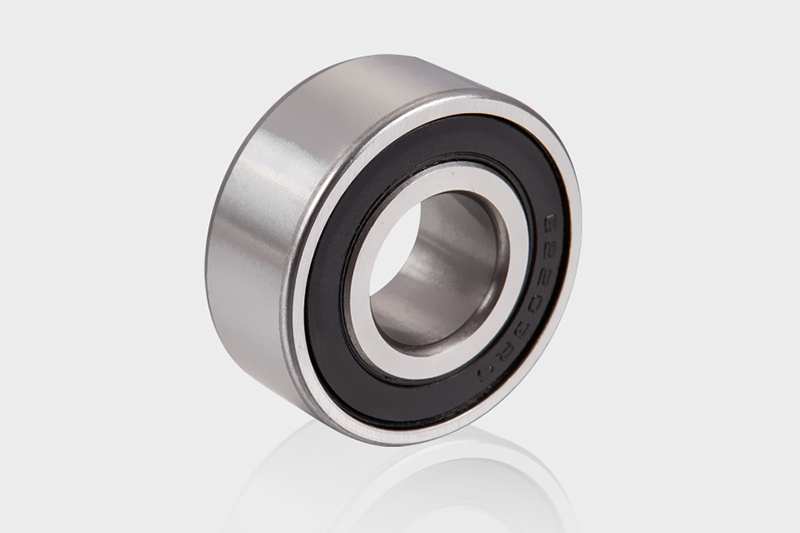
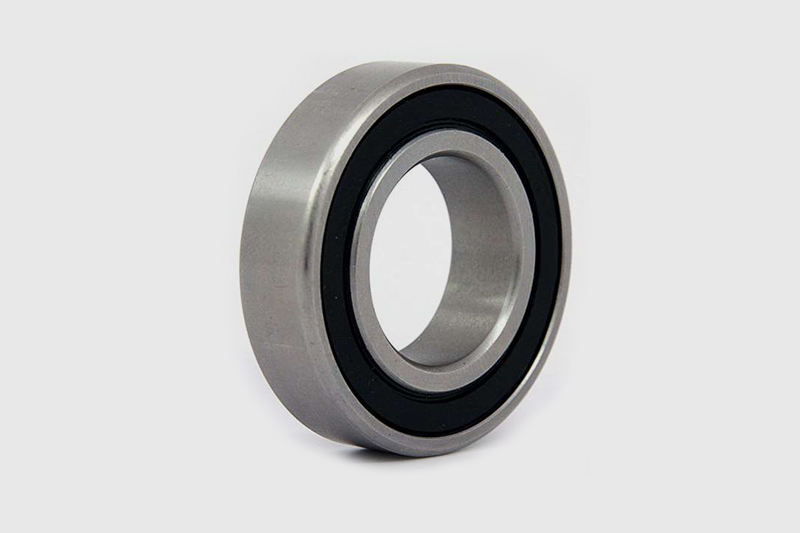
Series 1600 Chrome Steel Deep Groove Ball Bearing
Product Overview The Series 1600 Deep Groove Ball ...




Content
A pillow block unit is a mounted bearing assembly consisting of a housing — typically cast iron, pressed steel, or thermoplastic — that supports a rolling-element bearing and secures it to a flat mounting surface parallel to the shaft. Pillow block units are one of the most widely used mounted bearing configurations in industrial machinery because they allow a rotating shaft to be supported independently of the machine's internal bore, simplifying installation, alignment, and future maintenance or replacement.
Basic Design and Construction
A pillow block unit consists of two main components: the housing, which bolts to the machine frame through mounting holes on either side of the bearing bore, and the bearing itself, which is installed inside a spherical seat within the housing. This spherical interface is what allows most pillow block units to self-align by a few degrees, accommodating minor shaft misalignment or housing installation error without transferring that stress into the rolling elements.
The bearing is secured to the shaft using a locking mechanism — most commonly set screws or an eccentric locking collar — and the assembly is typically sealed with contact or labyrinth seals to keep contaminants out and grease in. A grease fitting (zerk fitting) on top of the housing allows for periodic relubrication without disassembling the unit.
The internal bearing type used in a pillow block unit determines its load capacity, speed rating, and suitability for radial versus combined loading.
| Bearing Type | Load Capacity | Typical Application |
|---|---|---|
| Ball bearing (insert type) | Light to moderate radial, light thrust | Conveyors, fans, light industrial equipment |
| Spherical roller bearing | Heavy radial and moderate thrust | Heavy-duty conveyors, mining, material handling |
| Tapered roller bearing | High radial and thrust combined loads | Heavy machinery shafts under combined loading |
| Cylindrical roller bearing | High radial, minimal thrust | High-speed shafts with primarily radial loading |
Spherical roller bearing pillow blocks are the standard choice for heavy-duty industrial applications because their internal geometry allows continued self-alignment even under significant load, whereas standard insert ball bearing units are better suited to lighter loads where cost and simplicity are the priority.
Housing material affects strength, weight, corrosion resistance, and cost, and should be matched to both the load requirements and the operating environment.
In food and beverage processing specifically, thermoplastic or stainless steel housings are typically required by hygiene standards, since cast iron housings can corrode under frequent washdown with caustic cleaning agents, introducing contamination risk over time.
How the bearing is secured to the shaft affects both installation speed and how well the unit holds up under vibration or reversing loads.
Set screws should be periodically re-torqued during the first days of operation, since they can back out under vibration — a common early failure point that eccentric collar and adapter sleeve designs largely avoid due to their wedging or uniform clamping action.
Pillow block units are sized primarily by shaft bore diameter, but the actual load capacity depends on the internal bearing type and housing design, not bore size alone.
| Bore Size Range | Ball Bearing Type (Dynamic Load) | Spherical Roller Type (Dynamic Load) |
|---|---|---|
| 1 in / 25 mm | ~9,500 lbf | ~22,000 lbf |
| 2 in / 50 mm | ~14,000 lbf | ~48,000 lbf |
| 3 in / 75 mm | ~19,000 lbf | ~85,000 lbf |
| 4 in / 100 mm | N/A (typically roller only) | ~130,000 lbf |
These figures are approximate and vary by manufacturer, so always confirm the specific dynamic and static load ratings listed in the manufacturer's catalog rather than relying on bore size alone, since two units with the same bore can have significantly different load capacities depending on internal bearing design.
Pillow block units are used wherever a horizontal rotating shaft needs independent support outside the main machine housing.
In mining and aggregate applications, pillow block units frequently operate under continuous heavy shock loading, which is why spherical roller bearing units in cast iron or ductile iron housings are the near-universal standard, offering the combination of load capacity and durability that lighter ball bearing units cannot match.
Choosing the right pillow block unit requires evaluating load, speed, environment, and mounting constraints together, rather than selecting based on bore size alone.
For example, a light-duty packaging conveyor operating indoors might use a cast iron pillow block with an insert ball bearing and set screw locking, while a rock crusher shaft in an aggregate plant would require a heavy-duty cast iron pillow block with a spherical roller bearing and adapter sleeve locking to withstand continuous shock loading.
Correct installation and a consistent maintenance schedule are the biggest factors in achieving the expected service life from a pillow block unit.

Product Overview The Series 1600 Deep Groove Ball ...
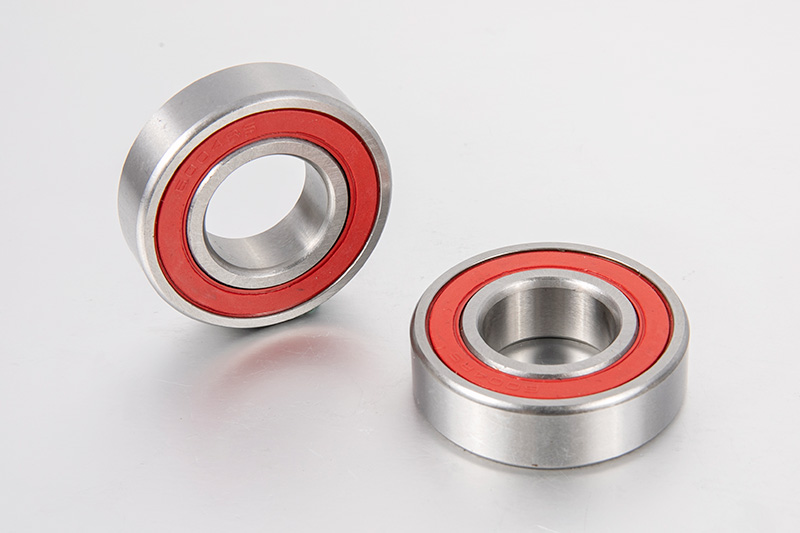
Key Features & Benefits 1. Superior Sealing Pe...

Product Overview:The 6200 Series Deep Groove Ball ...
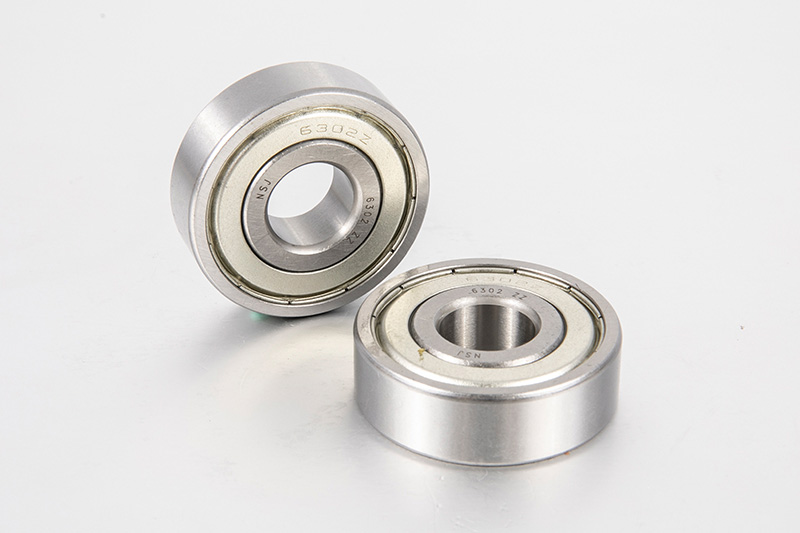
Core Differentiators: Enhanced Load Capacity: Unl...
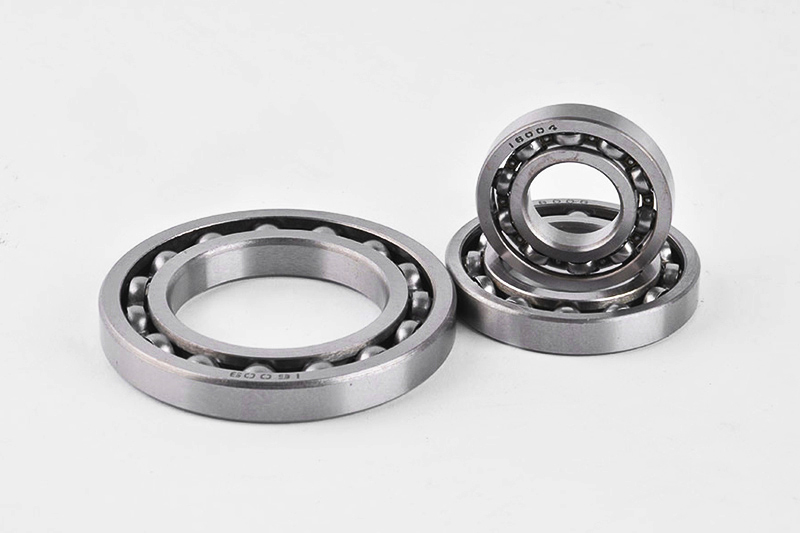
Core Technical Advantages: Maximum Space Efficien...