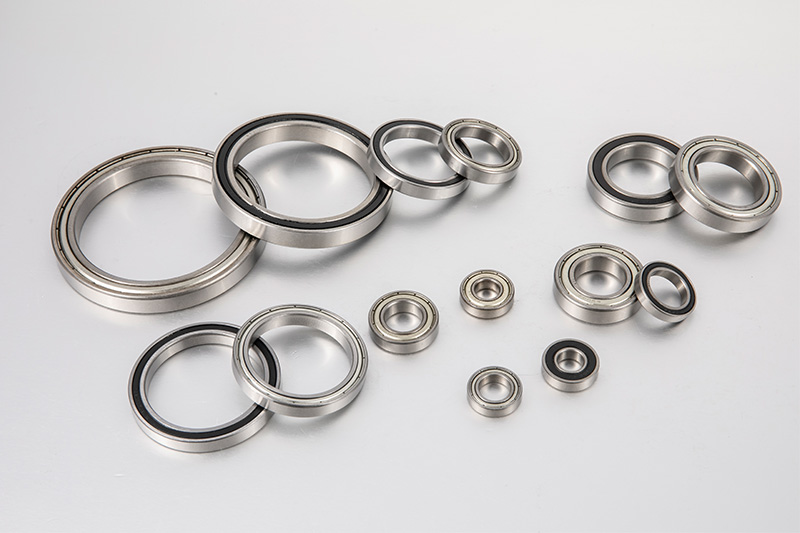
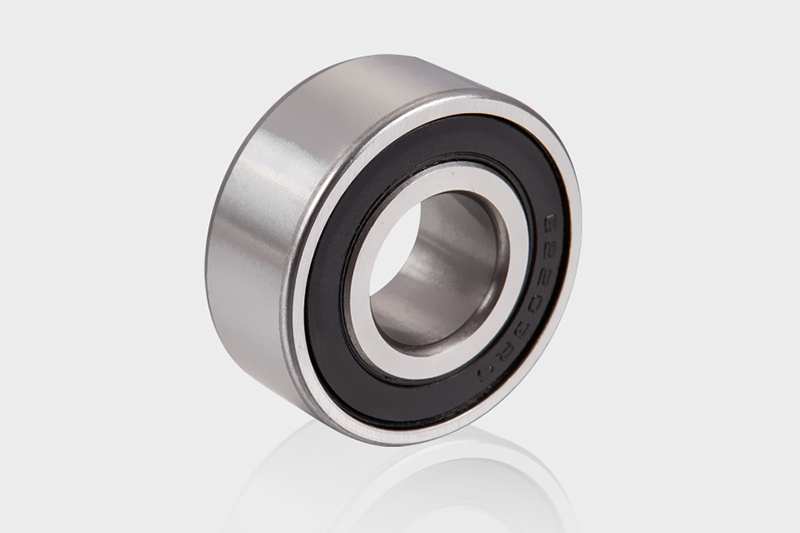
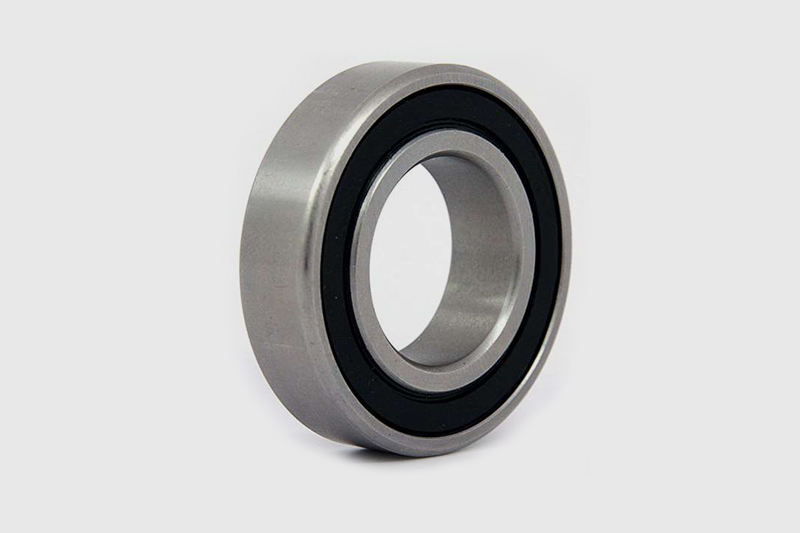
Series 1600 Chrome Steel Deep Groove Ball Bearing
Product Overview The Series 1600 Deep Groove Ball ...




Content
An insert bearing is chosen by matching its bore diameter to the shaft, selecting a locking method suited to the vibration and rotation direction of the application, and confirming its outer diameter and width fit the intended housing. For most general industrial use, a setscrew-locked insert bearing with a bore between 20mm and 50mm covers the majority of pillow block and flange unit applications. For high-vibration or reversing-load environments, an eccentric locking collar holds significantly more securely than setscrews and resists loosening over time. The bearing's outer ring profile — spherical or cylindrical — must also match the housing it will sit in, since the two are not interchangeable.
The sections below explain the three common locking methods, how to size an insert bearing by bore and housing fit, sealing options for different environments, and a step-by-step approach to choosing the right one.
An insert bearing is a ball or roller bearing with an extended, spherically ground outer ring, designed to be mounted inside a separate housing such as a pillow block, flange unit, or take-up unit. The spherical outer surface allows the bearing to self-align within the housing by 2-3 degrees, compensating for minor shaft misalignment without binding.
Unlike a standard sealed bearing pressed into a fixed bore, an insert bearing's defining feature is how it locks onto the shaft — this locking mechanism is the first decision point when selecting one.
The locking method determines how securely the inner ring grips the shaft and how well it resists loosening under vibration or shock loading. Choosing the wrong locking type is one of the most common causes of premature insert bearing failure, particularly setscrew bearings used in high-vibration settings they weren't designed for.
| Locking Type | How It Works | Best For |
|---|---|---|
| Setscrew | Two or more screws bite directly into the shaft | Light to moderate loads, low vibration, one-direction rotation |
| Eccentric Locking Collar | An offset collar wedges and self-tightens with shaft rotation | High vibration, reversing loads, agricultural and conveyor equipment |
| Adapter Sleeve | A tapered sleeve is drawn in to clamp the bore uniformly | Heavy loads, precise concentricity, larger shaft diameters |
Eccentric collar bearings should only be used in their intended direction of rotation — running one backward can cause the collar to loosen rather than tighten, leading to early failure.
The bore must match the shaft diameter precisely, typically given in millimeters (e.g. 20mm, 25mm, 30mm) or inches for imperial shafting (e.g. 3/4", 1", 1-1/4"). Insert bearings are not interchangeable between metric and imperial shafts even at similar nominal sizes.
These dimensions must match the housing bore exactly, since insert bearings are manufactured to standardized series (such as UC, SB, or SA series) so that a given bore size always pairs with a known outer diameter and width across manufacturers.
Apply a safety factor of at least 1.5x to 2x the expected operating load when selecting the dynamic rating, since real-world factors like misalignment, shock loading, and contamination reduce effective bearing life below catalog figures.
| Bore Size | Outer Diameter | Approx. Dynamic Load | Typical Use |
|---|---|---|---|
| 15-20mm | 47-52mm | ~1,500 lbs | Light conveyors, fans |
| 25-30mm | 62-72mm | ~3,000 lbs | Pumps, agitators, gearboxes |
| 35-40mm | 80-90mm | ~5,500 lbs | Material handling, agricultural shafts |
| 45-50mm | 100-110mm | ~8,500 lbs | Heavy-duty conveyors, industrial fans |
Standard for general indoor use, offering basic protection against dust. Not well suited to high-pressure washdown or heavy water exposure, as seals can be displaced over time.
Provide significantly better protection against dust, debris, and moisture intrusion than standard single-lip seals, making them the preferred choice for outdoor, agricultural, or aggregate-handling environments.
Used for food processing, washdown, and corrosive environments where standard plated steel would rust. Often paired with FDA-approved grease for food-contact-adjacent applications.

Product Overview The Series 1600 Deep Groove Ball ...
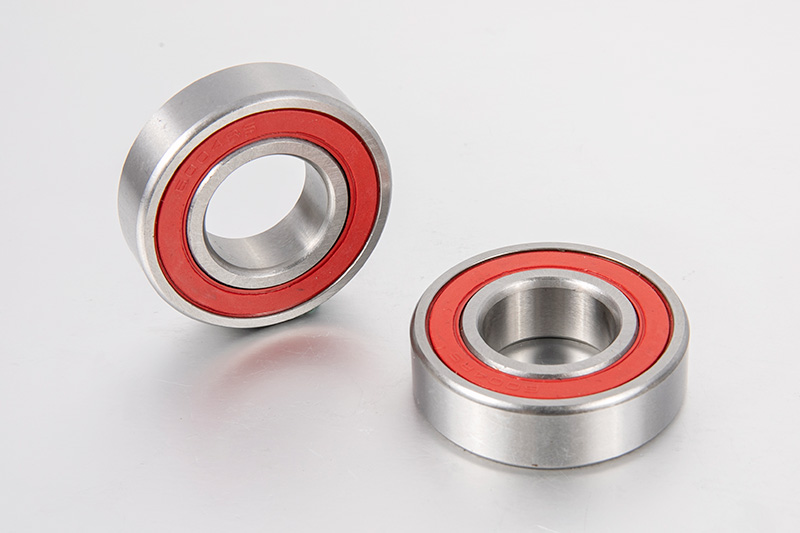
Key Features & Benefits 1. Superior Sealing Pe...

Product Overview:The 6200 Series Deep Groove Ball ...
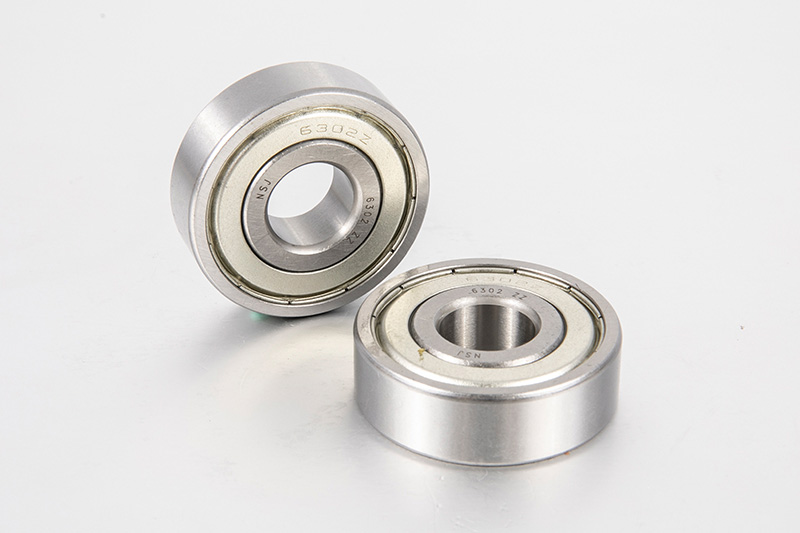
Core Differentiators: Enhanced Load Capacity: Unl...
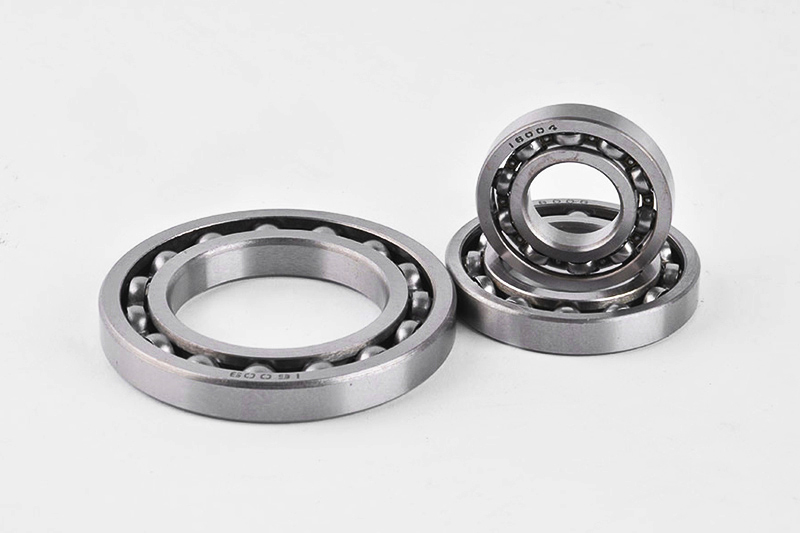
Core Technical Advantages: Maximum Space Efficien...