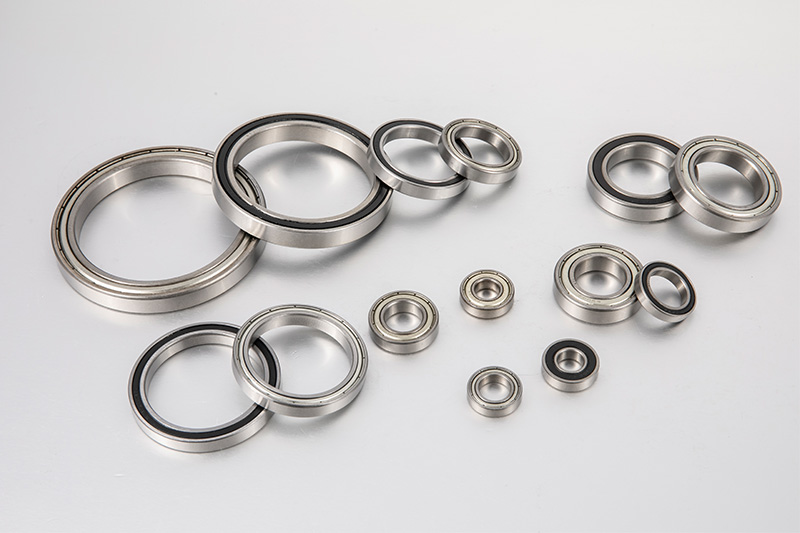
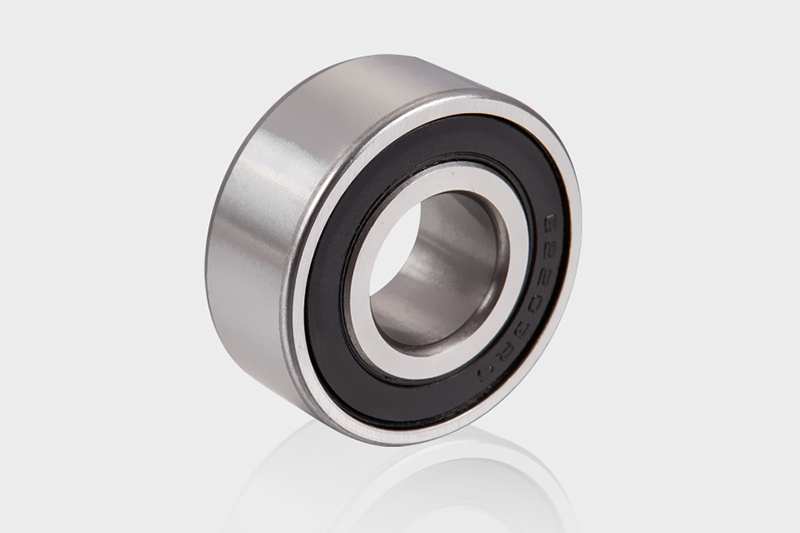
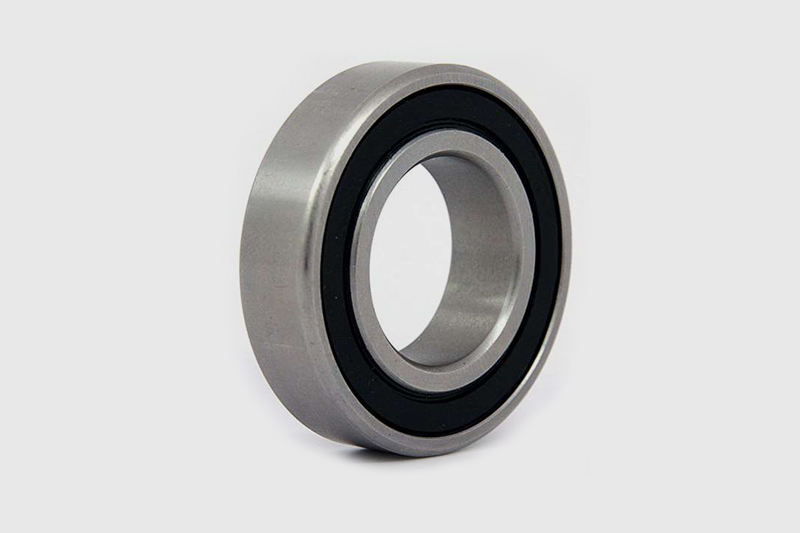
Series 1600 Chrome Steel Deep Groove Ball Bearing
Product Overview The Series 1600 Deep Groove Ball ...




Content
An insert bearing is a ball bearing with an extended, off-center inner ring designed to be mounted inside a separate pillow block, flange, or take-up housing, rather than being pressed directly into a machine bore. The defining feature of an insert bearing is its self-aligning outer ring combined with a shaft-locking mechanism — typically a set screw or eccentric collar — which allows it to accommodate minor shaft misalignment while still transmitting radial and light thrust loads reliably in general industrial machinery.
How Insert Bearings Work
Unlike a standard deep groove ball bearing, an insert bearing has a spherical outer ring surface that sits inside a matching spherical bore in the housing. This spherical interface allows the bearing to self-align by a few degrees — typically ±2° to ±3° — automatically compensating for minor shaft misalignment, housing installation error, or shaft deflection under load without transmitting that misalignment stress into the bearing's rolling elements.
The extended inner ring also distinguishes insert bearings from standard bearings. This wider inner ring gives the locking mechanism — whether a set screw or eccentric collar — a larger surface area to grip the shaft securely, which is important because insert bearings are usually mounted on the shaft first and then locked in place, rather than being press-fit like a standard bearing.
The method used to secure the bearing to the shaft significantly affects installation speed, holding strength, and suitability for reversing loads or vibration-heavy applications.
| Locking Type | How It Works | Best Suited For |
|---|---|---|
| Set screw locking | Two or more hardened set screws tightened directly onto the shaft | Low to moderate loads, unidirectional rotation, quick installation |
| Eccentric collar locking | Off-center collar rotates and wedges against the inner ring, locked by a set screw | Reversing loads, vibration, higher-torque applications |
| Adapter sleeve locking | Tapered sleeve drawn tight by a locknut, gripping the shaft uniformly | Heavier loads, precise concentric mounting, larger shaft sizes |
Eccentric collar locking is generally preferred over simple set screws in applications with frequent start-stop cycles or reversing rotation, because the wedging action resists loosening far better than set screws alone, which can back out under vibration if not periodically retightened.
Insert bearings are rarely used alone — they are almost always paired with a housing that provides the mounting structure, seal protection, and lubrication point. The housing type determines how the bearing is oriented and mounted to the machine frame.
Housing material also varies by application: cast iron housings are standard for general industrial use, while pressed steel housings offer a lower-cost, lighter-weight option for lighter-duty applications, and thermoplastic or stainless steel housings are specified for washdown, food processing, or corrosive environments.
Because insert bearings are frequently used in dusty, wet, or outdoor environments — agricultural equipment being a prime example — sealing performance is often as important as load rating when selecting the right bearing.
Most insert bearing housings include a grease fitting (zerk fitting) for periodic relubrication, and manufacturers commonly recommend relubrication intervals ranging from every 500 hours in dirty, high-contamination environments to every 2,000 to 5,000 hours in clean, low-speed indoor applications.
Insert bearings are used wherever a rotating shaft needs reliable support with tolerance for minor misalignment, moderate loads, and straightforward field replacement.
In agricultural applications specifically, insert bearings with eccentric locking collars and triple-lip seals are the standard choice, since equipment like grain augers regularly experiences both reversing loads during clearing operations and heavy exposure to dust and moisture.
Choosing the correct insert bearing and housing combination requires matching several factors to the specific application rather than defaulting to a standard set-screw pillow block for every job.
For example, a conveyor idler shaft in a clean, indoor packaging facility could reasonably use a cast iron pillow block with set screw locking and a standard contact seal, while an outdoor grain auger shaft would call for a cast iron pillow block with eccentric locking and a triple-lip seal to withstand reversing loads and constant dust exposure.
Proper installation significantly affects insert bearing service life, since misalignment or improper locking torque are among the most common causes of premature failure.

Product Overview The Series 1600 Deep Groove Ball ...
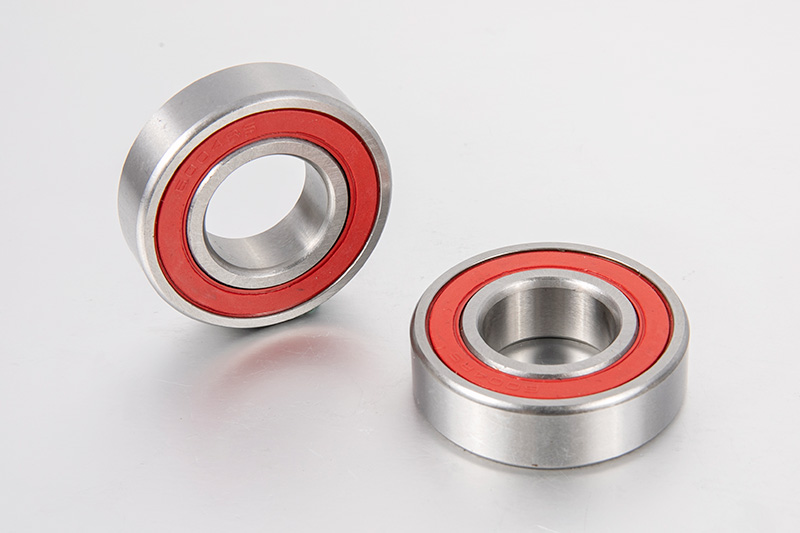
Key Features & Benefits 1. Superior Sealing Pe...

Product Overview:The 6200 Series Deep Groove Ball ...
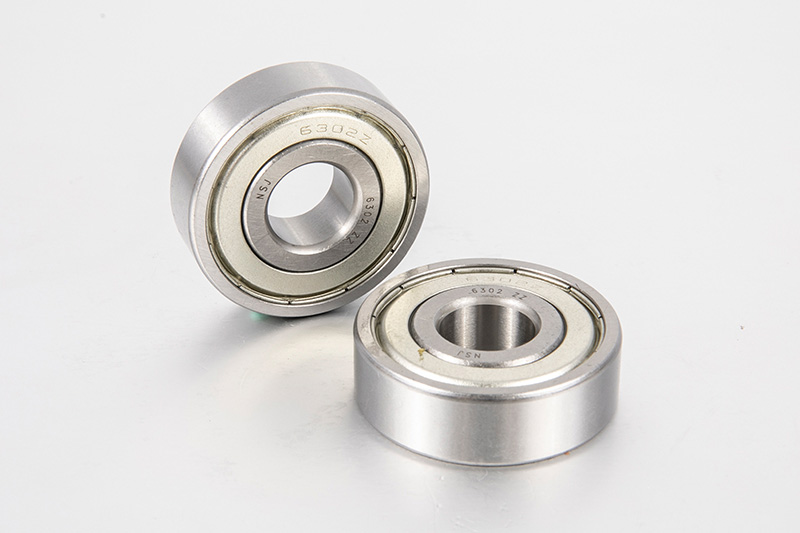
Core Differentiators: Enhanced Load Capacity: Unl...
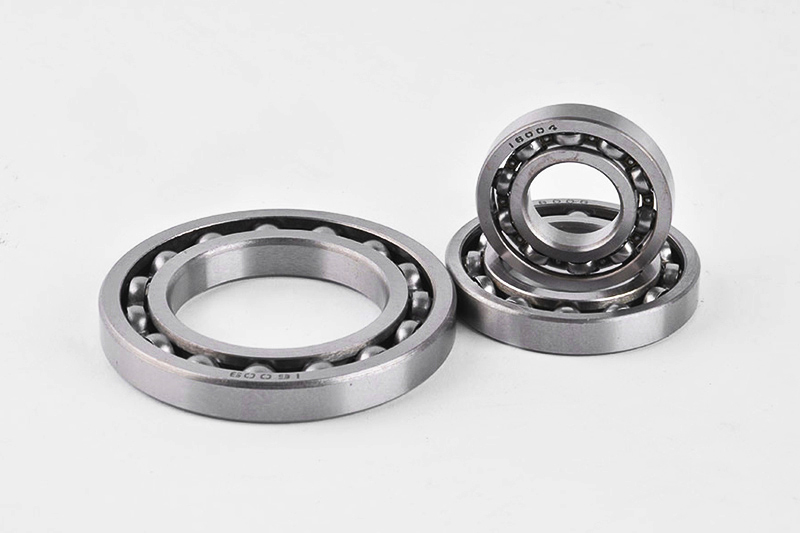
Core Technical Advantages: Maximum Space Efficien...