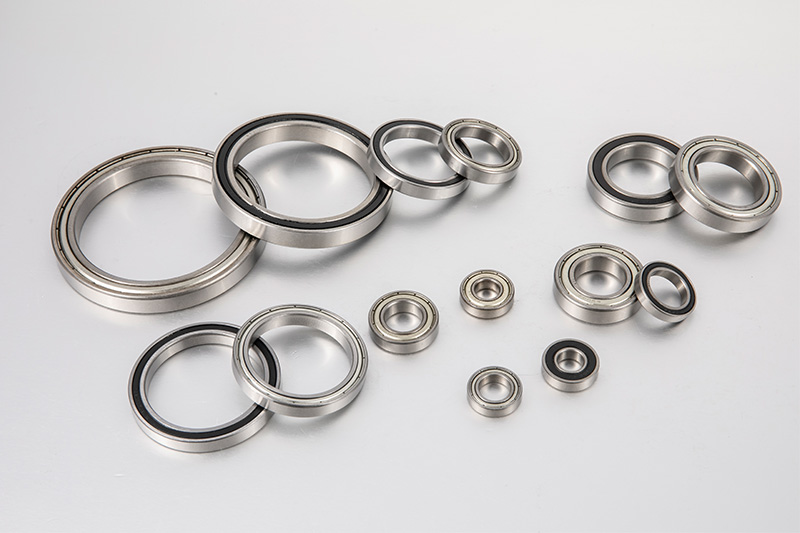
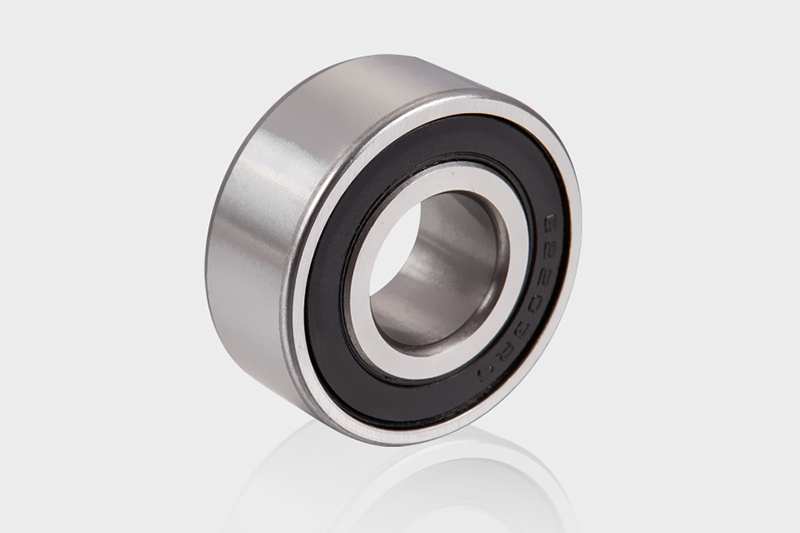
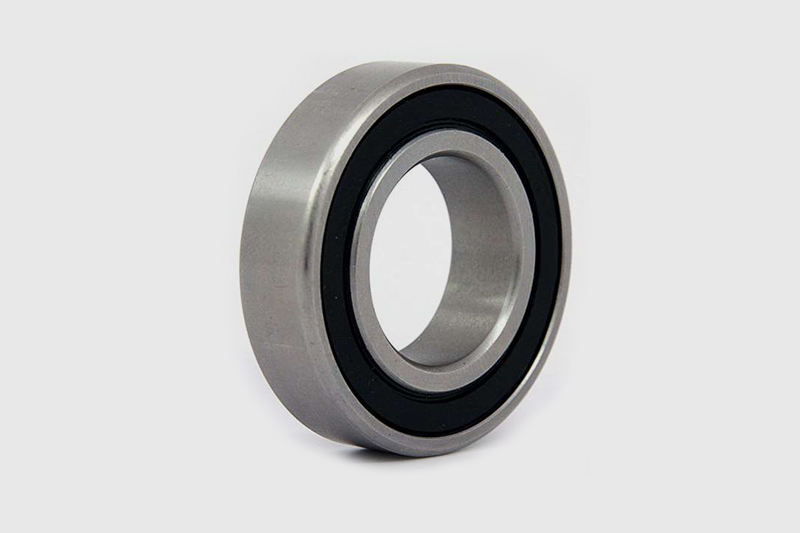
Series 1600 Chrome Steel Deep Groove Ball Bearing
Product Overview The Series 1600 Deep Groove Ball ...




Content
The nomenclature of Deep Groove Ball Bearings is a sophisticated technical shorthand used globally to communicate precise engineering specifications. To the untrained eye, a code like 6308-2RS1/C3 might look like a random string of characters, but to an engineer, it reveals the bearing’s internal geometry, load capacity, sealing mechanism, and even its optimal operating temperature. Understanding these symbols is critical because deep groove ball bearings are the most versatile and widely used bearings in the world—found in everything from household appliances to high-speed industrial motors. Selecting the wrong variant based on a misinterpreted part number can lead to premature mechanical failure, excessive noise, or even catastrophic equipment seizure.
The “Basic Designation” of a deep groove ball bearing usually consists of three to five digits. This sequence is standardized by international bodies such as ISO and ANSI to ensure that a 6204 bearing from a manufacturer in Germany is dimensionally identical to one produced in Japan or the United States.
For the deep groove ball bearing family, the number almost always begins with 6.
The second digit represents the Dimension Series, which describes the relationship between the bore diameter, the outside diameter (OD), and the width. It essentially tells you how “heavy-duty” the bearing is relative to its size.
The final two digits are used to calculate the Bore Diameter (Inner Diameter).
While the basic designation handles the size, the Suffixes (the letters following the numbers) define the “personality” of the bearing. These symbols indicate how the bearing is sealed, what material holds the balls in place, and how much internal “play” exists between the components.
This is perhaps the most critical section for maintenance professionals. Choosing the wrong seal can allow contaminants in or cause the bearing to overheat at high speeds.
Clearance refers to the total space between the balls and the raceways.
The cage (or retainer) keeps the balls evenly spaced.
The table below provides a quick reference to help you visualize how these codes come together to form a specific bearing profile.
| Component | Example Segment | Meaning | Technical Impact |
|---|---|---|---|
| Type | 6 | Deep Groove Ball Bearing | Standard radial/axial versatility |
| Series | 3 | Medium Series | Larger balls for higher load capacity |
| Bore Size | 08 | 40mm Bore | Fixed size based on shaft diameter |
| Seals | 2RS1 | Two Rubber Contact Seals | Dust/Waterproof; lower max RPM |
| Cage | M | Machined Brass Cage | High durability for vibration |
| Clearance | C3 | Internal Play > Normal | Allows for thermal expansion |
What is an “Open” bearing?
An open bearing (e.g., just “6206” with no suffix) has no shields or seals. You can see the balls and the cage directly. These are designed for use in environments where they are continuously lubricated by an external source, such as inside a car’s gearbox or an oil bath.
Can I replace a ZZ bearing with a 2RS bearing?
Only if the speed of your machine allows it. While a 2RS seal provides better protection, its contact seal creates friction and heat. If your machine runs at a very high RPM, a 2RS bearing might overheat where a ZZ (non-contact) bearing would have been fine. Always check the “Limiting Speed” in the manufacturer’s catalog.
Why are there different letters for rubber seals like LLU, DDU, and 2RS?
These are brand-specific suffixes that often mean the same thing. 2RS is the generic ISO term, while DDU is used by NSK, LLU by NTN, and 2RS1 by SKF. They all represent a double rubber contact seal.
Does a higher C-number mean a better bearing?
No. A “C4” is not “better” than a “C3.” It simply has more internal play. Using a C4 bearing in an application that requires CN (Normal) clearance will lead to excessive vibration and noise because the balls have too much room to move.

Product Overview The Series 1600 Deep Groove Ball ...
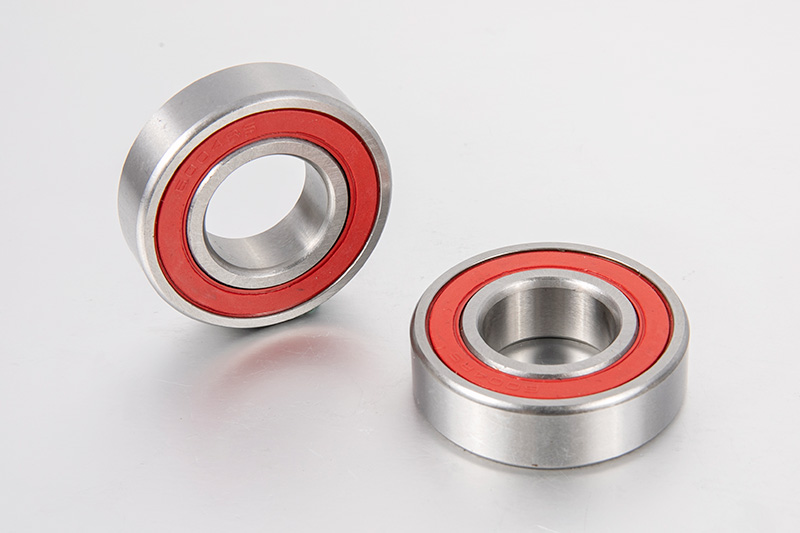
Key Features & Benefits 1. Superior Sealing Pe...

Product Overview:The 6200 Series Deep Groove Ball ...
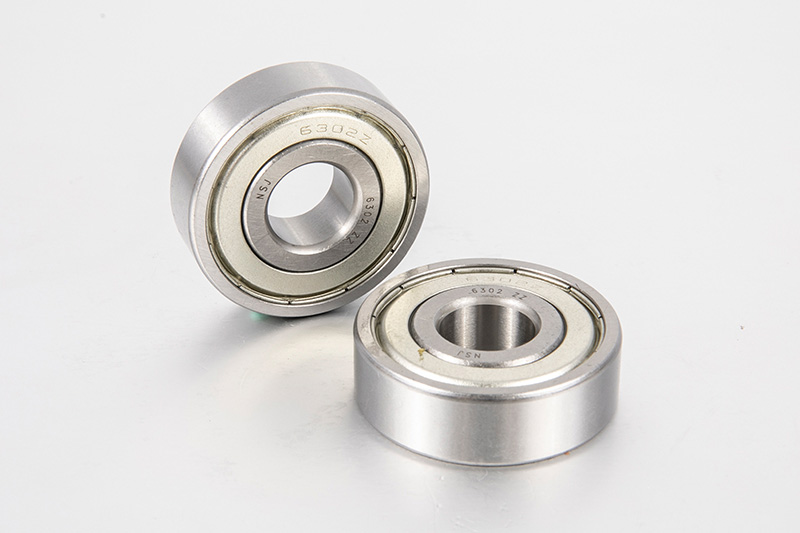
Core Differentiators: Enhanced Load Capacity: Unl...
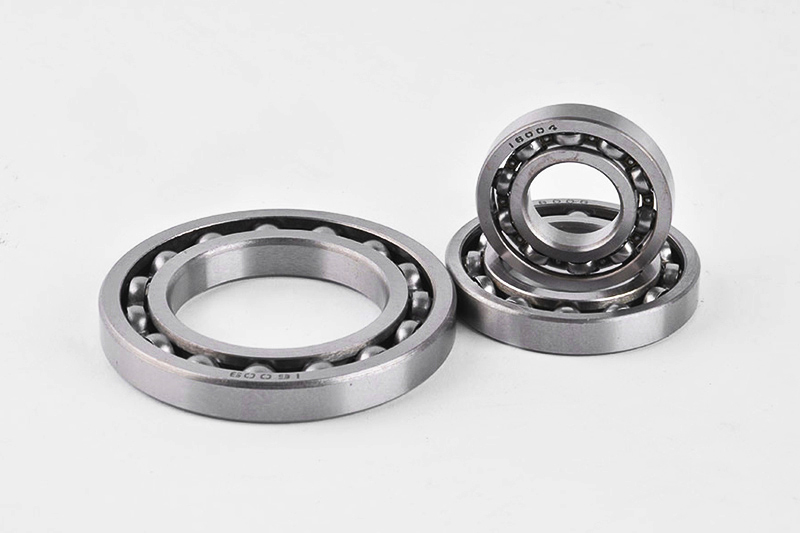
Core Technical Advantages: Maximum Space Efficien...