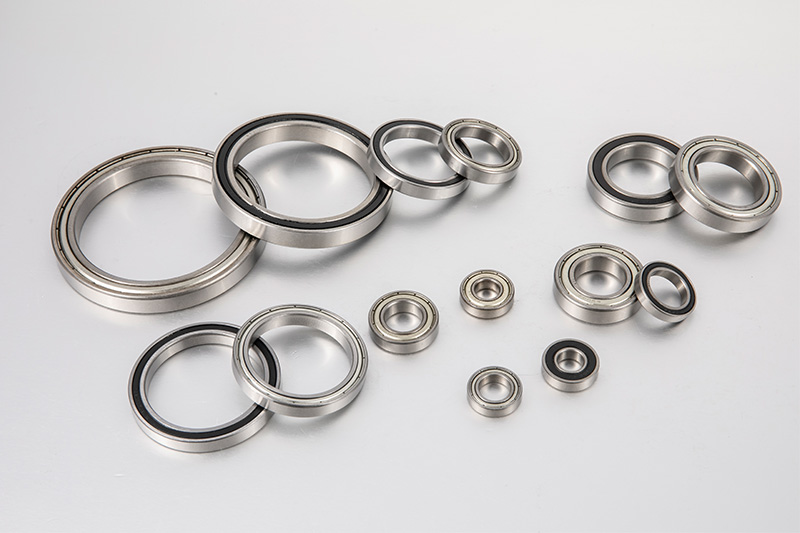
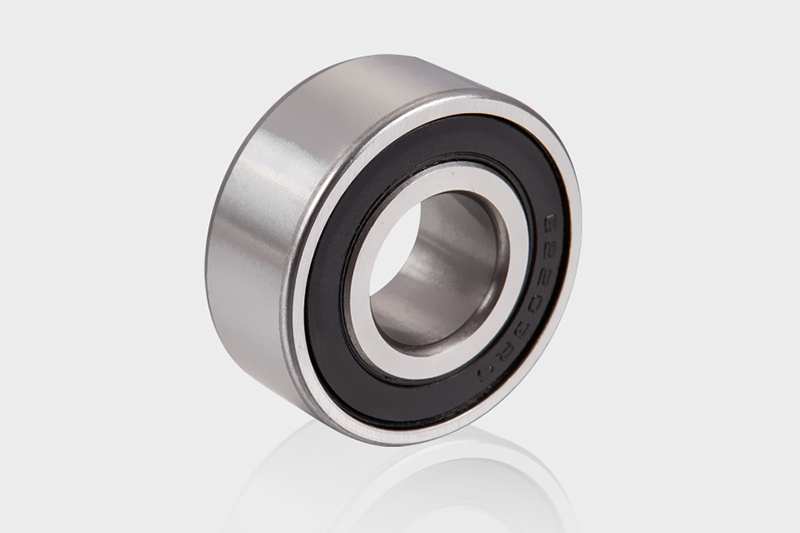
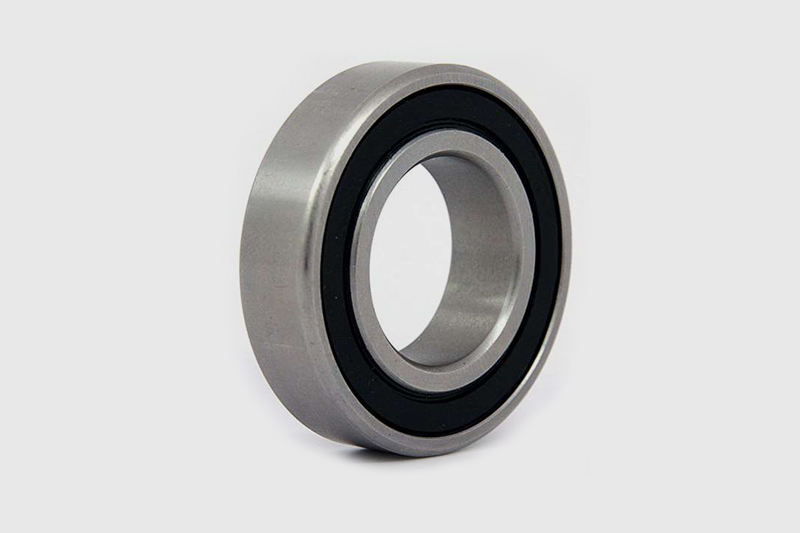
Series 1600 Chrome Steel Deep Groove Ball Bearing
Product Overview The Series 1600 Deep Groove Ball ...




Content
The single biggest factor in extending Deep Groove Ball Bearings service life is proper lubrication combined with correct installation — industry data shows that roughly 36% of premature bearing failures are caused by inadequate or contaminated lubrication, and another 16% result from improper mounting. Addressing these two factors alone can extend a bearing's operational life from a typical 3–5 years to well beyond its L10 rated lifespan. The sections below cover the specific, actionable steps — lubrication intervals, mounting technique, sealing selection, load management, and monitoring — that together determine whether a deep groove ball bearing lasts months or decades.
Lubrication does two jobs: it reduces friction between the balls and raceways, and it forms a protective barrier against moisture and contaminants. Both under-lubrication and over-lubrication shorten bearing life, so getting the type and quantity right matters more than simply "adding more grease."
As a general reference, a bearing operating at moderate speed and temperature (below 70°C) can often go 2,000–5,000 operating hours between re-greasing, while high-speed or high-temperature applications may require intervals as short as 500 hours.
Improper installation is one of the most preventable causes of early bearing failure, and damage from a bad installation often isn't visible until the bearing fails weeks or months later. Careless force application during mounting is the most common culprit.
Bearings damaged during a rushed or improper installation can fail in as little as 10% of their rated design life, making careful mounting one of the highest-return practices available to maintenance teams.
Contamination from dust, moisture, or debris is a leading cause of premature bearing wear, and the right seal selection can prevent the majority of these failures before they start.
| Seal Type | Protection Level | Best For |
|---|---|---|
| Open (No Seal) | Low | Clean, controlled indoor environments |
| Shielded (ZZ) | Moderate | Light dust exposure, general machinery |
| Rubber Sealed (RS/2RS) | High | Moisture, dust, and outdoor or washdown environments |
Sealed bearings typically come pre-lubricated for life and are recommended for applications exposed to washdown, dust, or humidity, where an open or shielded bearing could see contaminant ingress reduce service life by 50% or more.
Running a bearing beyond its rated dynamic load capacity is one of the fastest ways to shorten its life. Bearing life follows an inverse cubic relationship with load — meaning that increasing load by just 25% above the rated capacity can reduce expected service life by roughly 50%, since fatigue life scales with the cube of the load ratio.
Temperature and vibration are the earliest warning signs of developing bearing problems, often detectable weeks before an audible failure occurs. Establishing a baseline and monitoring for deviation allows maintenance teams to intervene before catastrophic failure.
Understanding the most frequent root causes of bearing failure helps prioritize where maintenance attention delivers the greatest return.
| Failure Cause | Approx. Share of Failures | Prevention Method |
|---|---|---|
| Improper/Insufficient Lubrication | ~36% | Follow correct grease type, quantity, and re-lubrication schedule |
| Contamination | ~14% | Use appropriate seals and maintain clean handling practices |
| Improper Installation | ~16% | Use correct tools and verify alignment before operation |
| Overloading / Misapplication | ~15% | Match bearing rating to actual operating loads and speeds |
Consistency matters more than intensity when it comes to bearing maintenance. A simple, repeatable routine catches most problems before they escalate into costly downtime.
To meaningfully extend bearing service life, prioritize in this order: correct lubrication, proper installation, appropriate sealing for the environment, and staying within rated load and speed limits. These four factors together account for the large majority of preventable bearing failures. Pairing these practices with routine temperature and vibration monitoring allows most developing issues to be caught and corrected well before failure, often extending real-world bearing life significantly beyond the manufacturer's baseline rating.

Product Overview The Series 1600 Deep Groove Ball ...
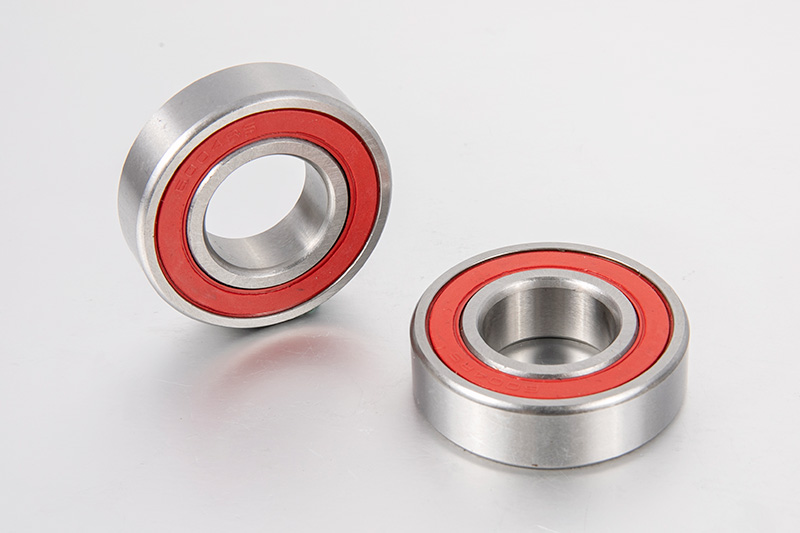
Key Features & Benefits 1. Superior Sealing Pe...

Product Overview:The 6200 Series Deep Groove Ball ...
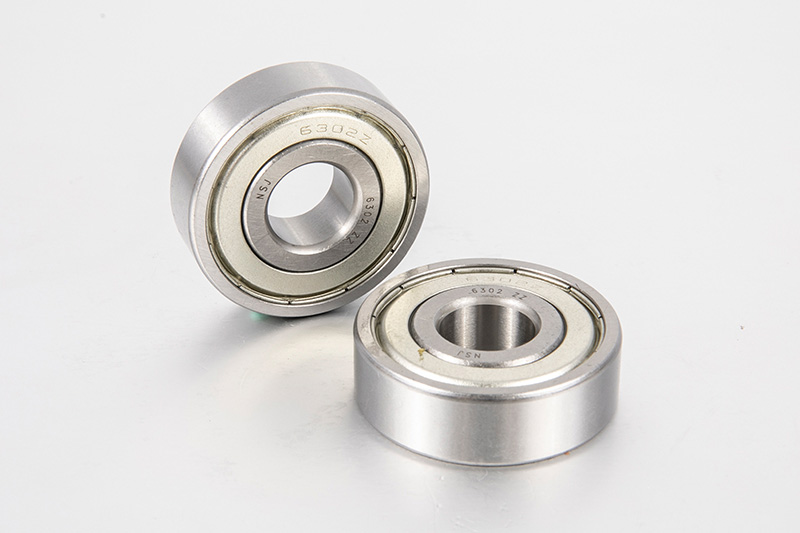
Core Differentiators: Enhanced Load Capacity: Unl...
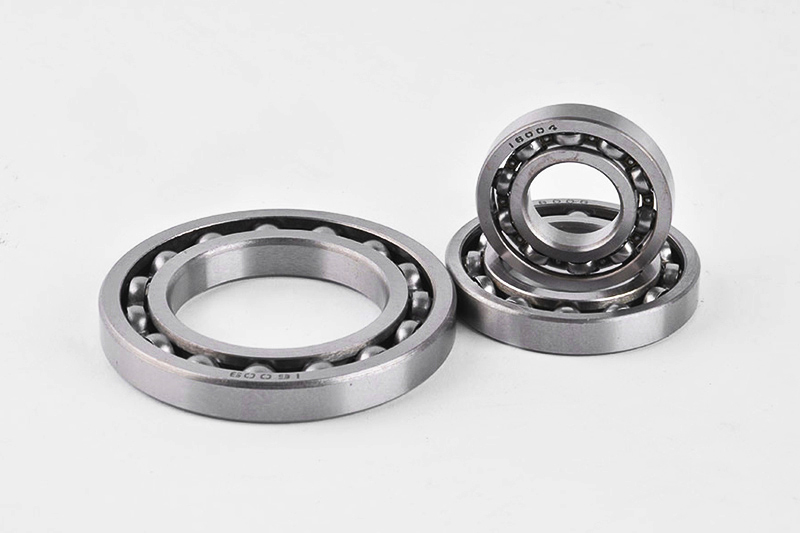
Core Technical Advantages: Maximum Space Efficien...