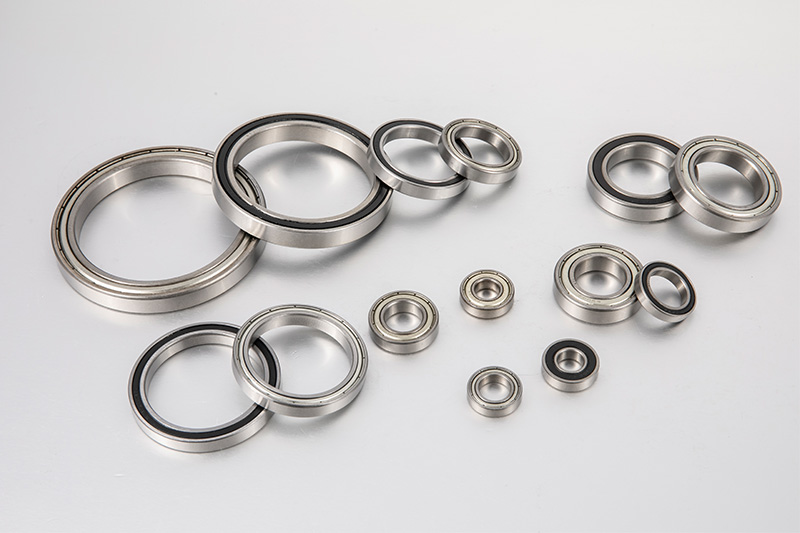
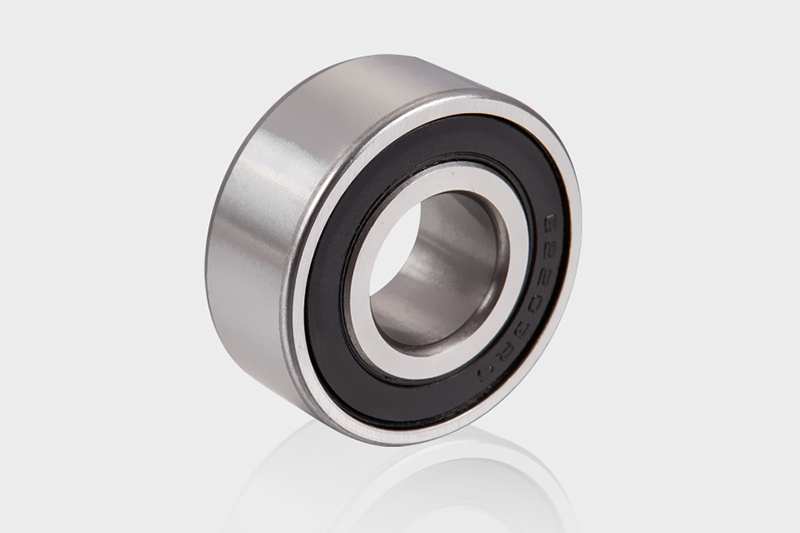
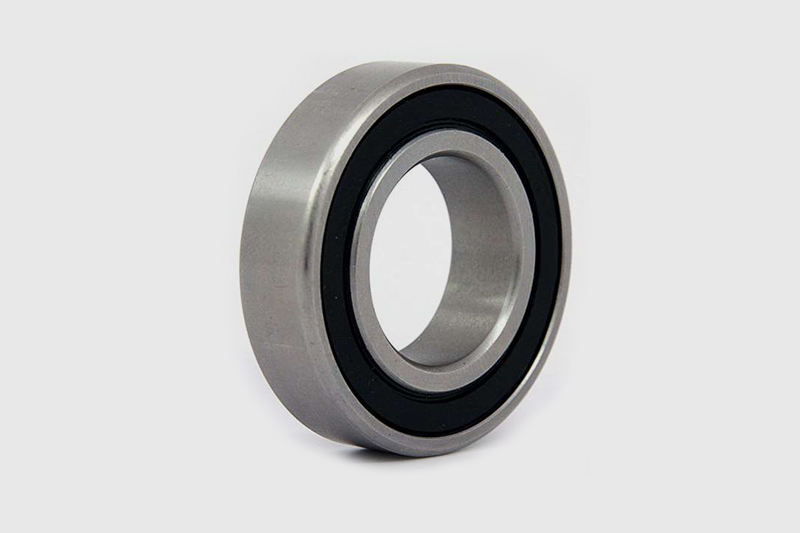
Series 1600 Chrome Steel Deep Groove Ball Bearing
Product Overview The Series 1600 Deep Groove Ball ...




Content
Needle roller bearings are an essential component in modern automotive transmission systems. These bearings offer numerous advantages, including reducing friction, supporting high-speed performance, optimizing space and weight, increasing durability, and improving precision in gear shifting. By focusing on these aspects, needle roller bearings contribute to enhanced efficiency, improved fuel economy, and a better driving experience in automotive applications.
One of the primary functions of needle roller bearings in automotive transmission systems is to reduce friction. Traditional bearings, such as ball bearings, often have contact points that cause higher friction levels due to the point contact between the rolling elements and the races. In contrast, needle roller bearings have cylindrical rollers that distribute the load over a larger surface area, reducing the contact stress and friction.
This reduction in friction translates directly into energy savings and improved efficiency in the transmission system. Less friction means that the engine does not need to work as hard to overcome resistance, which results in better fuel economy. Additionally, reduced friction prevents overheating, which can lead to wear and eventual component failure. As a result, the transmission system operates smoothly with less energy lost to heat.
Friction Comparison Between Bearing Types
| Bearing Type | Contact Type | Friction Level | Energy Loss (%) |
|---|---|---|---|
| Needle Roller Bearing | Line Contact | Low | 5% |
| Ball Bearing | Point Contact | Higher | 10% |
| Plain Bearing | Surface Contact | Moderate | 15% |
Automotive transmissions are designed to operate at high speeds, especially in performance and racing vehicles. Needle roller bearings are particularly well-suited for high-speed applications due to their design. The thin cylindrical rollers allow the bearings to handle radial loads while maintaining a compact and lightweight structure, making them ideal for situations where space is limited.
In transmission systems, high-speed components such as gears, shafts, and clutch assemblies experience significant rotational velocities. Needle roller bearings can operate efficiently at these speeds without causing undue wear or energy loss. This capability not only ensures that the transmission system can handle high-performance demands but also that it can shift gears quickly and seamlessly, enhancing the driving experience.
The bearings’ ability to handle high speeds and large radial loads without generating excessive heat is critical for maintaining the reliability of the system. In comparison, larger or more complex bearing designs might struggle to maintain performance at high speeds.
Speed Handling Capabilities of Different Bearings
| Bearing Type | Maximum Speed (RPM) | Load Capacity | Heat Generation |
|---|---|---|---|
| Needle Roller Bearing | 20,000 | High Radial Load | Low |
| Ball Bearing | 15,000 | Moderate | Moderate |
| Thrust Bearing | 12,000 | Low | High |
In modern automotive design, weight reduction plays a critical role in improving fuel efficiency and performance. Needle roller bearings are ideal for optimizing space and reducing weight due to their compact design. The thin rollers of the needle roller bearing allow for high load-bearing capacity in a smaller footprint compared to ball bearings or other types of bearings.
This space optimization is especially beneficial in automotive transmission systems, where space is often constrained due to the compact layout of components. By using needle roller bearings, manufacturers can reduce the size and weight of transmission components, which, in turn, helps reduce the overall weight of the vehicle. A lighter vehicle requires less energy to operate, which improves fuel efficiency and reduces carbon emissions.
Furthermore, reducing the weight of the transmission system helps improve overall vehicle performance by lowering the vehicle’s center of gravity. This can lead to better handling, stability, and acceleration.
Comparison of Bearing Size and Weight
| Bearing Type | Size (mm) | Weight (g) | Load Capacity |
|---|---|---|---|
| Needle Roller Bearing | 10 x 15 | 20 | 1500 N |
| Ball Bearing | 20 x 25 | 40 | 1200 N |
| Cylindrical Bearing | 25 x 30 | 60 | 2000 N |
The durability and longevity of automotive transmission components are crucial to ensuring a reliable and low-maintenance system. Needle roller bearings excel in high-load and high-stress applications because of their design. The cylindrical rollers in needle roller bearings distribute loads more evenly than ball bearings, reducing the risk of localized wear and tear.
This even load distribution is essential in automotive transmissions, which experience heavy torque and varying load conditions. Over time, high torque can cause fatigue in bearings, leading to premature failure. However, the design of needle roller bearings minimizes these risks, extending the lifespan of the transmission system.
The reduced wear also leads to fewer maintenance requirements, which means lower costs for repair and replacement. For automakers, this durability translates into higher reliability and fewer vehicle recalls or breakdowns.
Bearing Life Expectancy in Automotive Transmissions
| Bearing Type | Average Life Span (Years) | Wear Resistance | Maintenance Interval |
|---|---|---|---|
| Needle Roller Bearing | 10+ | High | 50,000 miles |
| Ball Bearing | 7-8 | Moderate | 30,000 miles |
| Tapered Roller Bearing | 9-10 | High | 40,000 miles |
Gear shifting precision is essential for both the performance and driving experience of a vehicle. Needle roller bearings contribute to the smooth operation of the transmission system by reducing friction and maintaining low resistance, which improves gear shifting precision.
In manual transmissions, smooth gear shifts are a critical aspect of driving comfort. The use of needle roller bearings ensures that the components move smoothly and precisely, without unnecessary resistance. In automatic transmissions, the bearings help provide smoother and more responsive shifting, enhancing the overall driving experience.
Needle roller bearings also reduce the likelihood of issues such as gear slippage, delayed shifts, or jerky movements. These improvements make the transmission system more responsive and efficient, which is especially important in performance vehicles and those with automatic transmissions.
Q1: What are the main benefits of using needle roller bearings in automotive transmissions?
A1: Needle roller bearings reduce friction, support high-speed performance, optimize space and weight, increase durability, and improve gear-shifting precision, all of which contribute to better efficiency and overall vehicle performance.
Q2: Can needle roller bearings handle high torque in automotive applications?
A2: Yes, needle roller bearings are designed to handle high radial loads and can effectively distribute torque, making them ideal for applications in automotive transmissions that experience heavy torque.
Q3: Are needle roller bearings more efficient than ball bearings in automotive transmissions?
A3: Yes, needle roller bearings have a higher load-bearing capacity and lower friction than ball bearings, making them more efficient in automotive transmission systems.

Product Overview The Series 1600 Deep Groove Ball ...
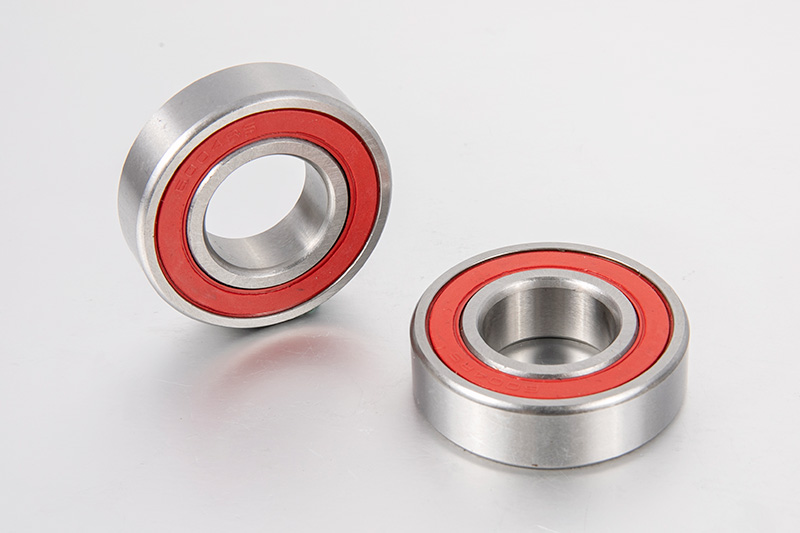
Key Features & Benefits 1. Superior Sealing Pe...

Product Overview:The 6200 Series Deep Groove Ball ...
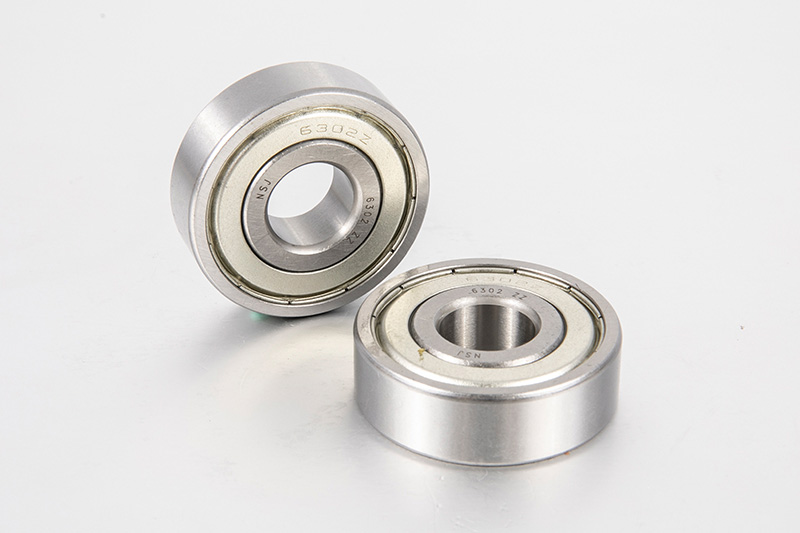
Core Differentiators: Enhanced Load Capacity: Unl...
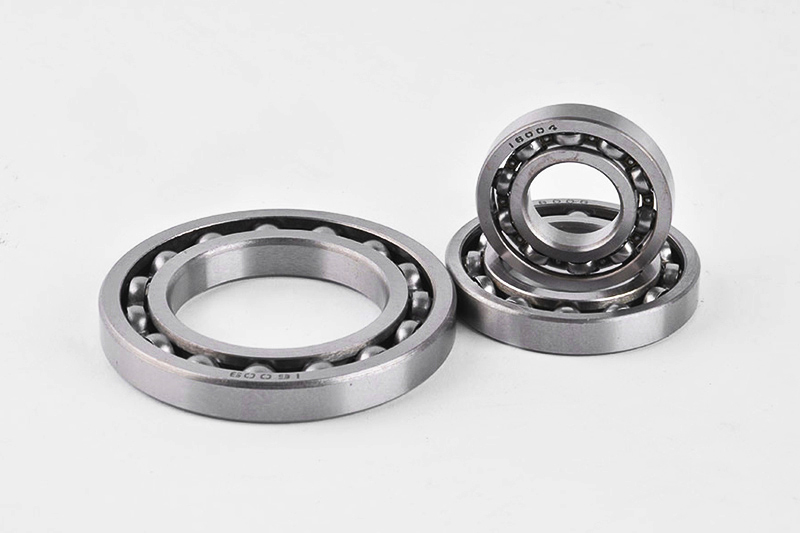
Core Technical Advantages: Maximum Space Efficien...