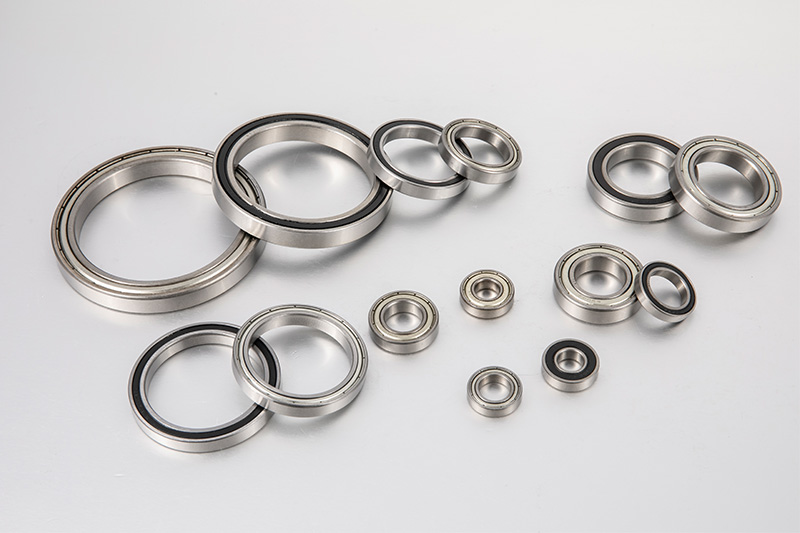
Series 1600 Chrome Steel Deep Groove Ball Bearing
Product Overview The Series 1600 Deep Groove Ball ...




Content
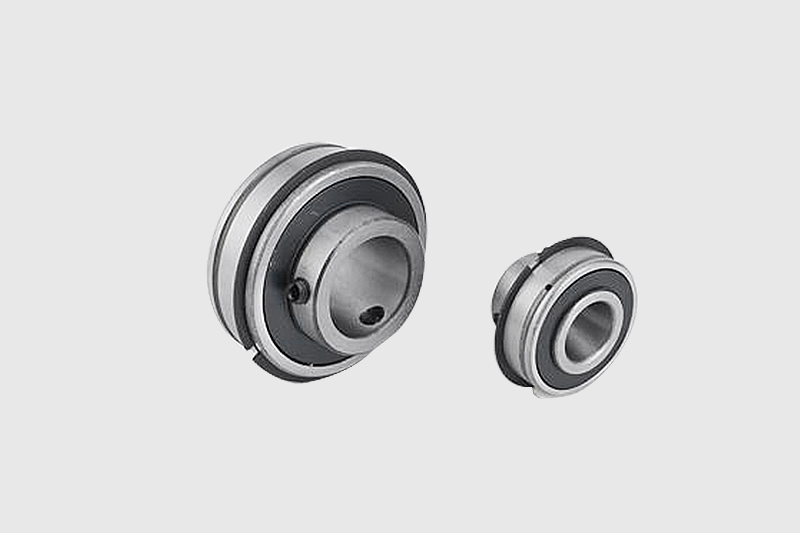
Insert bearings, commonly known as mounted bearings, are essential components in various mechanical systems. They consist of a rolling element (typically a ball or roller) housed within a bearing unit that is designed to be inserted into a housing or support. These bearings offer several advantages that significantly reduce maintenance costs, making them a popular choice in a wide range of applications, from industrial machinery to automotive systems.
| Attribute | Insert Bearings | Traditional Bearings |
|---|---|---|
| Service Life | Typically longer due to better sealing and protection | Shorter service life due to exposure to contaminants |
| Durability | Resistant to wear and fatigue with proper lubrication | Prone to wear under harsh conditions |
Insert Bearings:
One of the main reasons insert bearings help reduce maintenance costs is their extended lifespan. These bearings are designed with features that protect them from contaminants like dirt, dust, and moisture. The sealed designs in many insert bearings prevent debris from entering the bearing and causing wear and tear, leading to a longer operational life. Additionally, many insert bearings are pre-lubricated, reducing the need for frequent re-lubrication. With less frequent replacements and repairs, maintenance costs are significantly lowered.
Traditional Bearings:
In contrast, traditional bearings may not have the same level of protection against contaminants and wear. Over time, dirt and moisture can degrade the bearing’s performance, leading to more frequent breakdowns, repairs, and replacements, all of which increase maintenance costs.
| Attribute | Insert Bearings | Traditional Bearings |
|---|---|---|
| Installation Process | Quick and easy, often requires no special tools | Can be more complex, requiring precise fitting and alignment |
| Downtime | Minimal downtime for installation and replacement | Longer downtime due to complicated installation |
Insert Bearings:
Insert bearings are designed for easy installation, often featuring a simple mounting design that does not require special tools or precision fitting. This means that they can be quickly replaced or installed with minimal downtime, reducing the overall costs of machinery stoppage. This ease of installation also allows for faster repairs and lower labor costs when compared to traditional bearings, which may require more specialized handling and longer periods of downtime.
Traditional Bearings:
Traditional bearings, especially those that require precision installation or alignment, can lead to longer periods of machinery downtime. This not only disrupts production but also increases labor costs and reduces overall operational efficiency, which can significantly raise maintenance expenses.
| Attribute | Insert Bearings | Traditional Bearings |
|---|---|---|
| Self-Alignment | Self-aligning capabilities reduce the risk of misalignment | Requires precise alignment for optimal performance |
| Performance Impact | Lower risk of failure due to misalignment | Misalignment can cause premature wear or failure |
Insert Bearings:
Many insert bearings come with self-aligning features, which help them accommodate misalignment between the shaft and housing. Misalignment is a common issue in rotating machinery, and when not properly addressed, it can lead to increased friction, premature wear, and even bearing failure. The self-aligning feature in insert bearings reduces the likelihood of these issues, ultimately lowering the need for repairs and minimizing operational interruptions.
Traditional Bearings:
Traditional bearings, especially non-self-aligning ones, are more sensitive to misalignment. When misalignment occurs, it can lead to uneven wear and increased friction, which can accelerate the need for maintenance and bearing replacement. Misalignment can also result in vibration and noise, which can further damage other components in the system, raising the overall maintenance costs.
| Attribute | Insert Bearings | Traditional Bearings |
|---|---|---|
| Vibration | Low vibration due to better alignment and support | Higher vibration if alignment is off |
| Noise Level | Quieter operation, reducing the need for repairs | Can generate more noise, leading to mechanical stress |
Insert Bearings:
The ability of insert bearings to self-align and reduce friction leads to smoother operation, with less vibration and noise. Lower vibration levels help in reducing the wear and tear on other machinery components, as excessive vibration can cause additional stress on other parts, leading to premature failures and higher maintenance costs. Quieter operation also means that issues can be detected earlier, preventing expensive damage.
Traditional Bearings:
If traditional bearings experience misalignment or inadequate lubrication, they can produce higher levels of vibration and noise. This not only impacts the comfort of operators but also leads to mechanical stress that can accelerate the degradation of the machinery, resulting in more frequent maintenance and repairs.
| Attribute | Insert Bearings | Traditional Bearings |
|---|---|---|
| Replacement Frequency | Less frequent replacements due to improved durability | Higher replacement rate due to wear and tear |
| Maintenance Costs | Lower overall maintenance expenses | Higher due to frequent bearing failure and repairs |
Insert Bearings:
Since insert bearings are designed to last longer and are protected against contaminants, they tend to require less frequent replacement than traditional bearings. Their durability also means that they experience less wear and tear, reducing the need for costly repairs. Fewer replacements and repairs ultimately lead to significant cost savings over time.
Traditional Bearings:
Traditional bearings may require more frequent replacements and repairs, especially if they are exposed to harsh operating conditions or lack adequate sealing. As a result, businesses often face higher maintenance costs, both in terms of parts and labor.
| Attribute | Insert Bearings | Traditional Bearings |
|---|---|---|
| Harsh Conditions | Can withstand high levels of contamination, moisture, and temperature fluctuations | Less resistant to harsh conditions like moisture, dust, or high temperatures |
| Application Range | Suitable for a wide variety of environments and machinery types | Limited to cleaner, more controlled environments |
Insert Bearings:
Insert bearings are often designed to operate in harsh environments where dust, moisture, or extreme temperatures might otherwise degrade traditional bearings. Their ability to function effectively in such conditions makes them ideal for use in industries like agriculture, mining, and food processing, where environmental factors play a significant role in the longevity of mechanical parts. As a result, the reliability and performance of insert bearings help prevent unexpected breakdowns and reduce the need for costly repairs and replacements in these industries.
Traditional Bearings:
Traditional bearings may not perform as well in these challenging environments, especially if they are not sealed or shielded properly. Exposure to dust, moisture, or extreme temperatures can cause premature wear, rust, and failure, leading to increased downtime and repair costs.
1. How often should insert bearings be replaced?
Insert bearings are designed to last longer than traditional bearings, but the frequency of replacement depends on factors like the operating environment, load conditions, and usage. In general, they should be replaced when signs of significant wear or damage are evident.
2. Can insert bearings be used in high-speed applications?
Yes, insert bearings can be used in high-speed applications, but it’s important to choose the right type of insert bearing that is specifically designed for high-speed use to ensure optimal performance and longevity.
3. How do I know if my insert bearings need maintenance?
Common signs that insert bearings require maintenance include excessive noise, vibration, difficulty rotating, or visible signs of wear. Regular monitoring and lubrication can help extend their life and reduce the need for costly repairs.
4. Are there specific industries that benefit most from insert bearings?
Insert bearings are ideal for industries with high exposure to contaminants, moisture, or temperature extremes, such as agriculture, food processing, mining, and manufacturing. Their ability to operate in harsh conditions makes them highly suitable for these applications.

Product Overview The Series 1600 Deep Groove Ball ...
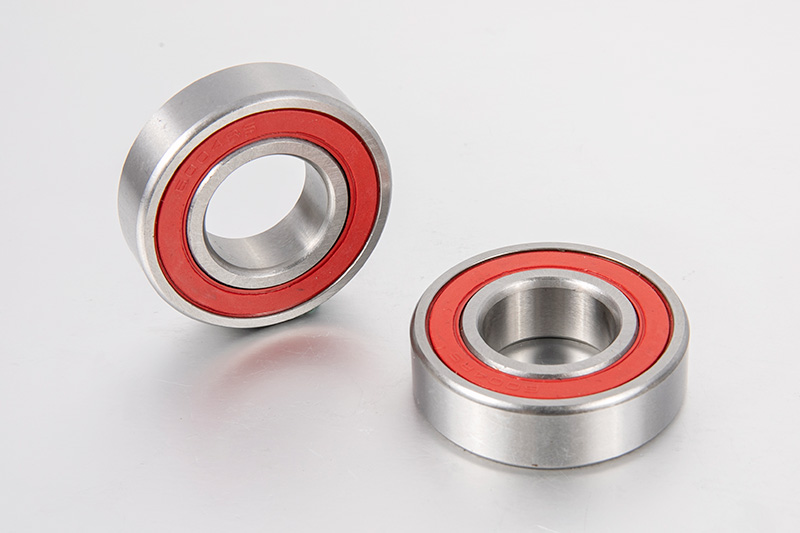
Key Features & Benefits 1. Superior Sealing Pe...

Product Overview:The 6200 Series Deep Groove Ball ...
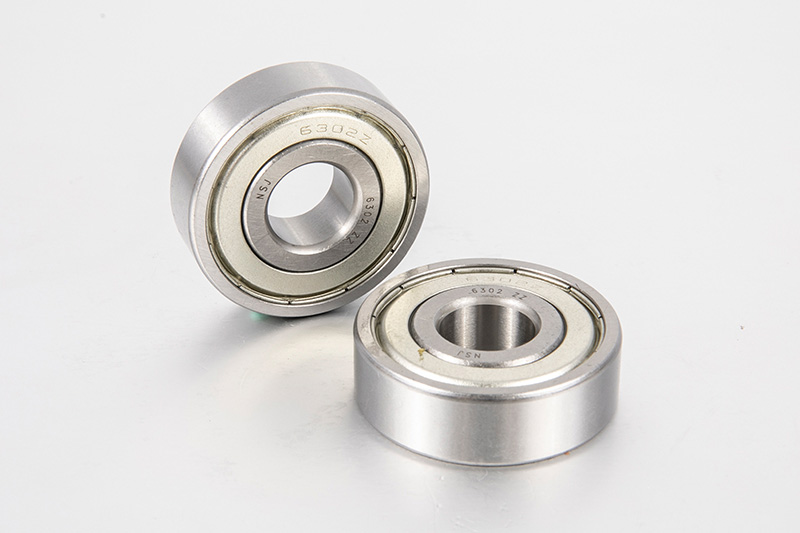
Core Differentiators: Enhanced Load Capacity: Unl...
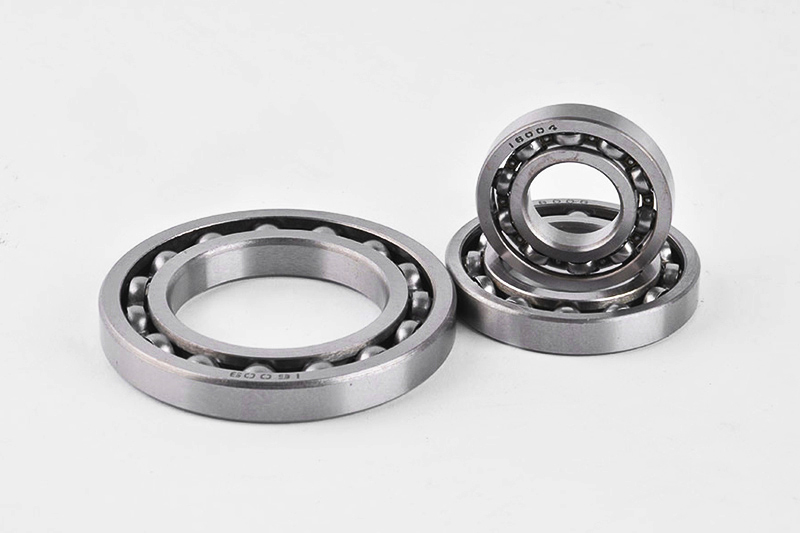
Core Technical Advantages: Maximum Space Efficien...