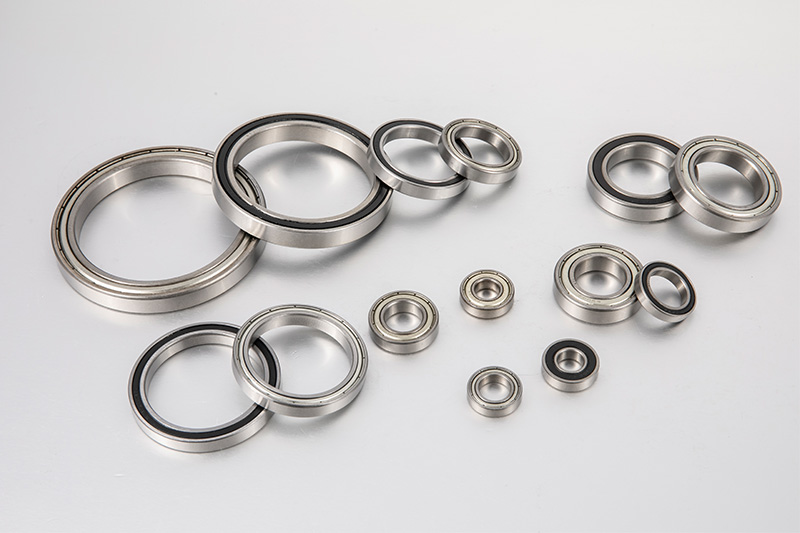
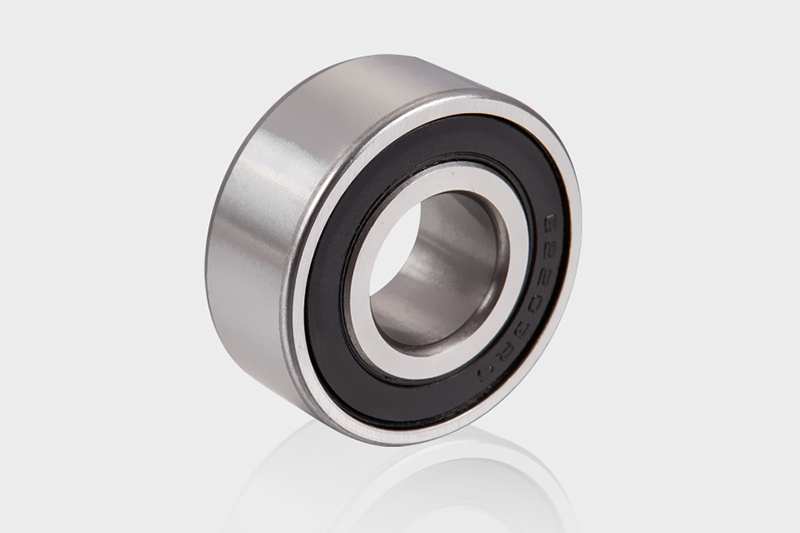
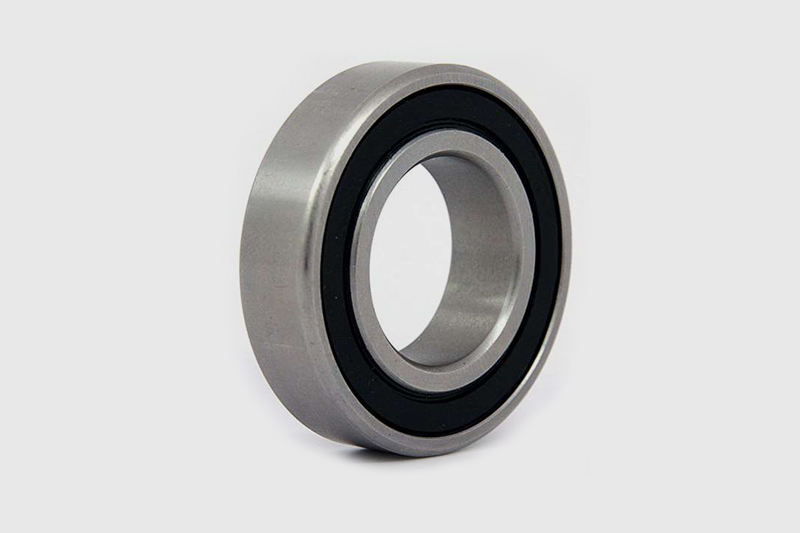
Series 1600 Chrome Steel Deep Groove Ball Bearing
Product Overview The Series 1600 Deep Groove Ball ...




Content
Grooved roller bearings are a type of bearing designed with a unique structure, widely used in mechanical systems that require high load capacity, wear resistance, and efficiency. The main feature of these bearings is that the inner and outer raceways are designed with grooves to securely hold and position the rollers. This design helps achieve more even load distribution and lower friction, thereby improving the overall efficiency of the bearing.
The operating principle of grooved roller bearings is similar to that of traditional roller bearings, where the rollers rotate between the inner and outer raceways to reduce friction and support loads. However, the grooved design allows the rollers to have more precise contact with the raceways, reducing sliding and misalignment, and thus reducing wear while increasing load capacity. The design allows grooved roller bearings to support greater loads within the same physical size, making them ideal for high-speed and heavy-load applications.
Additionally, grooved roller bearings are commonly used in equipment requiring long-term, efficient operation, such as wind turbines, aircraft engines, and precision machinery. In these applications, bearing performance directly affects the system’s overall efficiency and lifespan, making the use of grooved roller bearings particularly important.
The most significant difference between grooved roller bearings and traditional roller bearings lies in the design of their raceways. Traditional roller bearings typically feature smooth raceways with simple contact points between the rollers and raceways, while grooved roller bearings incorporate specially designed grooves in the inner and outer raceways. These grooves help align and retain the rollers, ensuring more even contact between the rollers and the raceways.
First, grooved roller bearings optimize load distribution through their groove design. Traditional roller bearings tend to concentrate the load at a few contact points, which can lead to higher stress and accelerated wear. In contrast, the groove design in grooved roller bearings distributes the load more evenly across more contact points, reducing localized stress and increasing bearing durability and load capacity.
Secondly, grooved roller bearings provide better rotational stability. The groove design helps ensure that the rollers stay properly aligned, preventing misalignment and reducing the chances of uneven rotation during operation. Traditional roller bearings, lacking this groove design, are more susceptible to misalignment under high radial loads, which can negatively affect stability.
In terms of operational environment, grooved roller bearings are better suited for high-speed and heavy-load applications, such as precision machinery and advanced automotive manufacturing, while traditional roller bearings are more commonly used in general industrial applications.
| Feature | Grooved Roller Bearings | Traditional Roller Bearings |
|---|---|---|
| Design | Grooved raceways | Smooth raceways |
| Load Distribution | Even load distribution | Load concentrated at contact points |
| Friction and Efficiency | Low friction, high efficiency | Higher friction, lower efficiency |
| Application Areas | High load, high speed, high precision | General industrial use |
| Stability | High stability, prevents misalignment | Potential misalignment |
Grooved roller bearings, due to their unique design, can withstand higher loads, reduce friction, and offer more stable operation, making them suitable for a wide range of industries. Some typical application areas include:
These industries require bearings that can handle high loads and perform efficiently in extreme working conditions such as high temperatures, dust, and moisture. Grooved roller bearings are designed to meet these needs, ensuring improved performance and longer service life for the equipment.
Choosing grooved roller bearings over other types is often due to their superior performance in several key areas:
Due to these advantages, grooved roller bearings are the preferred choice for many high-end, high-load applications, especially in industries where equipment reliability and efficiency are critical.
Q1: What is the working principle of grooved roller bearings?
Grooved roller bearings work by incorporating grooves in the raceways to improve the contact between the rollers and the raceways. This helps reduce friction, evenly distribute the load, and enhance stability during rotation. Compared to traditional smooth raceway bearings, the grooved design minimizes wear and increases load-bearing capacity.
Q2: What are the advantages of grooved roller bearings?
The main advantages include higher load-bearing capacity, lower friction, longer lifespan, and improved rotational stability, making them ideal for high-speed, high-load, and precision applications.
Q3: What industries use grooved roller bearings?
Grooved roller bearings are used in industries such as automotive, aerospace, wind power, mining and heavy machinery, and precision equipment, especially in applications that require high load capacity, stability, and long-lasting performance.
Q4: How should grooved roller bearings be maintained?
Regular inspections and cleaning of the bearings are essential. Ensure proper lubrication and check for excessive wear. If the rollers or raceways show signs of damage, they should be replaced to maintain optimal performance.

Product Overview The Series 1600 Deep Groove Ball ...
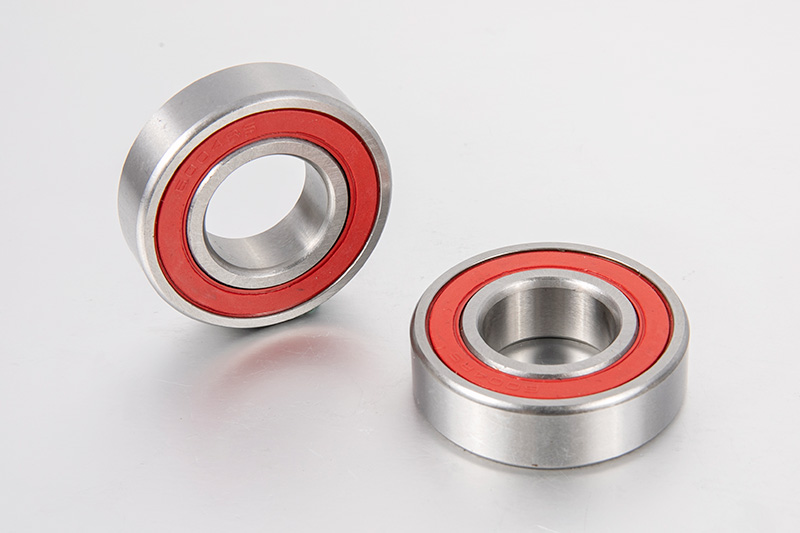
Key Features & Benefits 1. Superior Sealing Pe...

Product Overview:The 6200 Series Deep Groove Ball ...
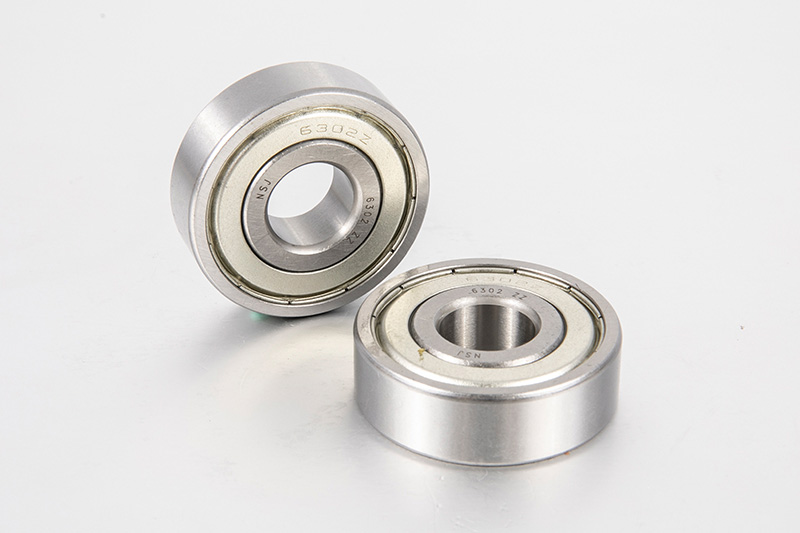
Core Differentiators: Enhanced Load Capacity: Unl...
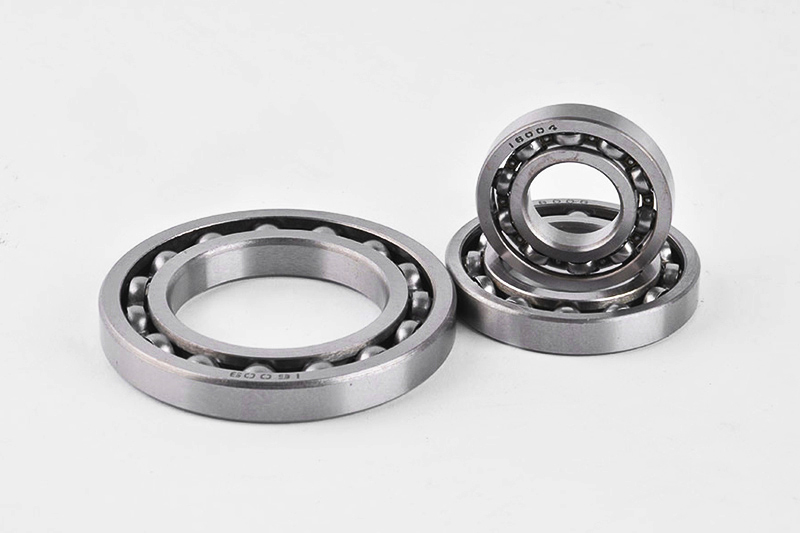
Core Technical Advantages: Maximum Space Efficien...