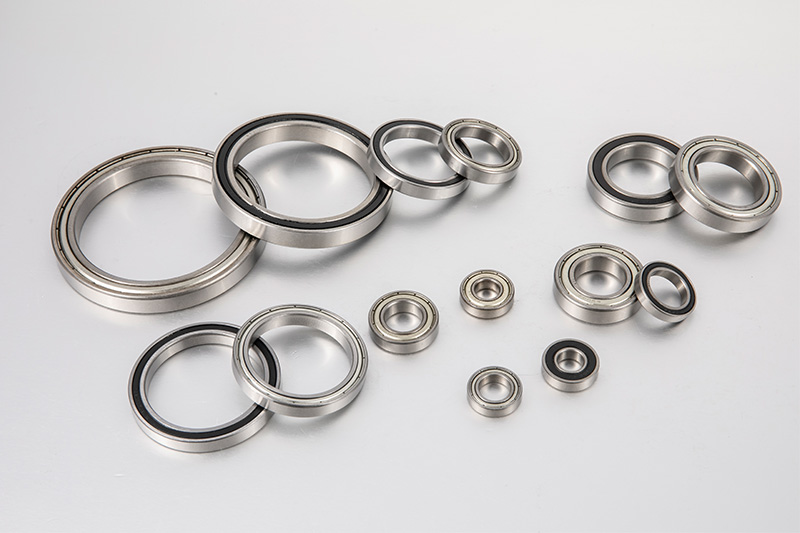
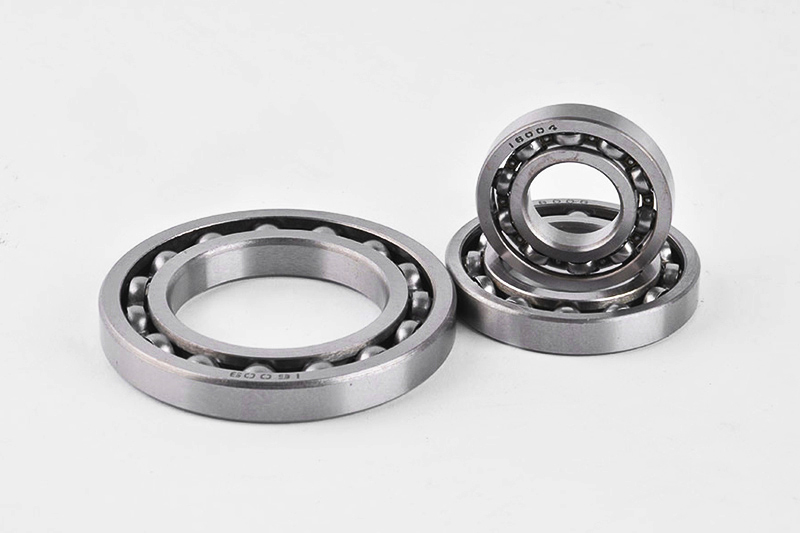
Series 1600 Chrome Steel Deep Groove Ball Bearing
Product Overview The Series 1600 Deep Groove Ball ...




Content
During a bearing failure investigation, a maintenance supervisor showed me a failed conveyor bearing. The housing was packed full of grease, the rolling elements had polished the raceway, and the seals were leaking. The team had been greasing every bearing on a fixed schedule. The result was a classic case of over greasing: too much grease in the cavity causes the rolling elements to churn the lubricant, generate heat, and eventually damage the bearing.
Over greasing is more common than most maintenance teams realize. The problem is not that grease is bad, but that the amount, frequency, and method are often based on habit rather than on the bearing's actual requirements. In this guide, we explain what happens when a bearing is over greased, why it happens, and how to prevent it.
Too much grease in the bearing cavity creates a series of mechanical and thermal problems. The first effect is churning. When the rolling elements spin, they must push through the excess grease. This consumes energy and converts it into heat. The temperature rise breaks down the grease structure, accelerates oxidation, and can cause the grease to soften and leak past the seals.
In normal conditions, a properly lubricated bearing runs close to ambient temperature plus 10 to 20 degrees Celsius, depending on load and speed. When the grease volume exceeds the free space, the temperature can rise well beyond that range. Each 10 degrees Celsius increase in operating temperature roughly halves the grease life, which means that the bearing will run with a degraded lubricant long before the next scheduled greasing.
Churning also increases the bearing torque. This shows up as higher motor current, higher energy consumption, and additional load on the shaft. The cost is not only the bearing itself. It includes the lost production time, the labor for replacement, and the energy wasted every hour the machine runs.
The table below summarizes the practical differences between correct lubrication and over greasing.
| Condition | Correct lubrication | Over greasing |
|---|---|---|
| Bearing temperature | Stable, close to ambient | Rises above the normal range |
| Seal condition | Normal pressure, no leakage | Internal pressure builds up, seals may leak |
| Rolling element operation | Grease forms a thin oil film | Grease is churned, film breaks down |
| Energy consumption | No significant increase | Higher torque and motor current |
| Bearing life | Expected service life | Premature failure |
Over greasing is rarely intentional. It usually comes from a lack of guidance on how much grease is actually needed. The most common cause is a “more is better” mentality, reinforced by the fact that you cannot see inside the bearing while it runs.
Cavity size plays a role. Housed bearings, especially pillow block units, have large internal spaces. A technician with a grease gun may fill the whole cavity. For example, a UCP series pillow block unit may appear to need more grease because the housing is large, but the bearing itself only needs a small portion of that space. Overfilling the housing leads to the same churning and heating effects.
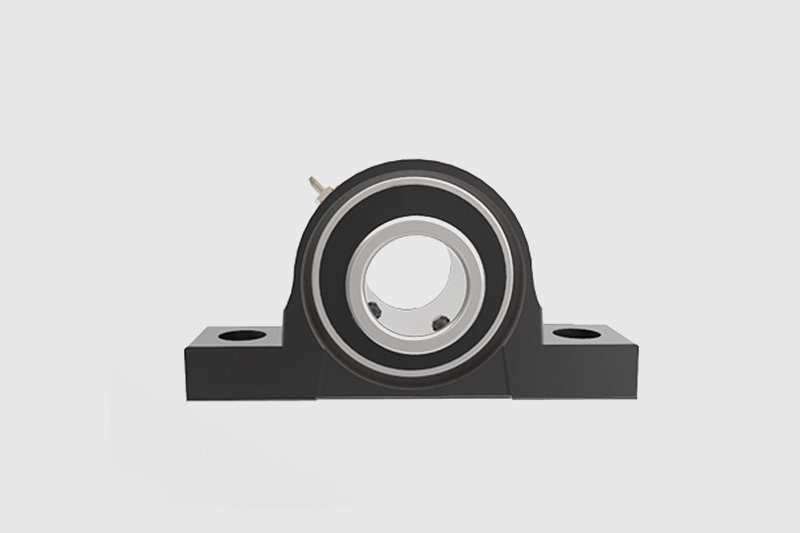 Pillow Block Units: UCP seriesHT200 or QT450-10, QT450-10 is only for PFTD2 series and FCT2 series.View Product →
Another common mistake is using the grease gun pressure as a guide. Some maintenance practices keep pumping until grease appears at the seal. That pressure can damage the seal. Many grease guns deliver pressure far beyond what a lip seal can withstand, so following pressure as a signal can easily push grease into places it should not go.
Correct grease volume is calculated from the bearing's free space, not from the housing volume. The free space is the internal volume not occupied by the rolling elements, cage, and raceways. As a general rule, the fill volume should be around one-third to one-half of the free space, with lower percentages at higher speeds.
| Bearing speed | Suggested fill of free space |
|---|---|
| Low speed, below 500 rpm | 40-60% |
| Medium speed, 500-1500 rpm | 30-40% |
| High speed, above 1500 rpm | 20-30% |
The grease consistency, expressed as NLGI grade, also matters. A softer grease with a higher oil viscosity is often a good choice for larger bearings where the fill volume is lower. For smaller bearings that run at high speed, a stiffer grade helps resist churning. The ambient conditions, such as dust or water exposure, influence the sealing type and regreasing interval as well.
For sealed bearings, the manufacturer pre-fills the grease and the user should not add more. For open bearings or bearings with regreasing capability, the grease volume should be adjusted according to the speed, load, and operating temperature. When in doubt, start with a smaller quantity and monitor the temperature after running.
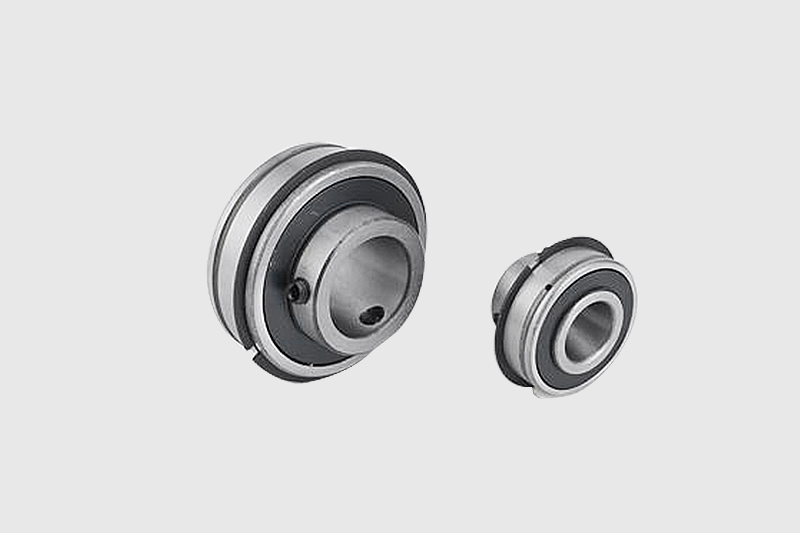 SER Regreaseable Insert Bearing SeriesUnlike standard sealed bearings, the SER series emphasizes a “regreaseable” function. This design allows users to replenish lubricant during operation, which effective...View Product →
For insert bearings used in agricultural or food-processing equipment, the greasing interval depends on the application. Selecting the right grease for insert bearings is just as important as the quantity, and the wrong base oil or consistency can cause early failure. See our guide on insert bearing grease selection for more detail.
Preventing over greasing requires a combination of correct technique and a realistic lubrication plan. Use the following sequence when you repack or add grease to a bearing:
Also, wait until the bearing has cooled before adding grease. Adding fresh grease to a hot bearing can cause the new grease to melt and run out, making the problem worse. Use a grease gun with a metering device whenever possible. Grease guns without a meter can deliver more than the required amount in a single pump, especially on small bearings.
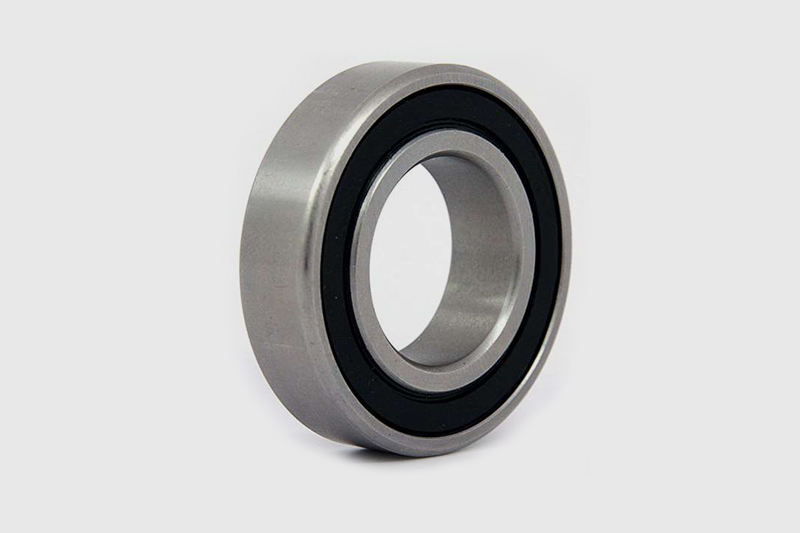
Bearings that are pre-lubricated and sealed at the factory do not need additional grease. Adding grease to a sealed bearing is a common cause of seal failure. The double-contact seal design in our Series 6000 deep groove ball bearings keeps grease in and contamination out, which supports longer service life without the need for frequent regreasing.
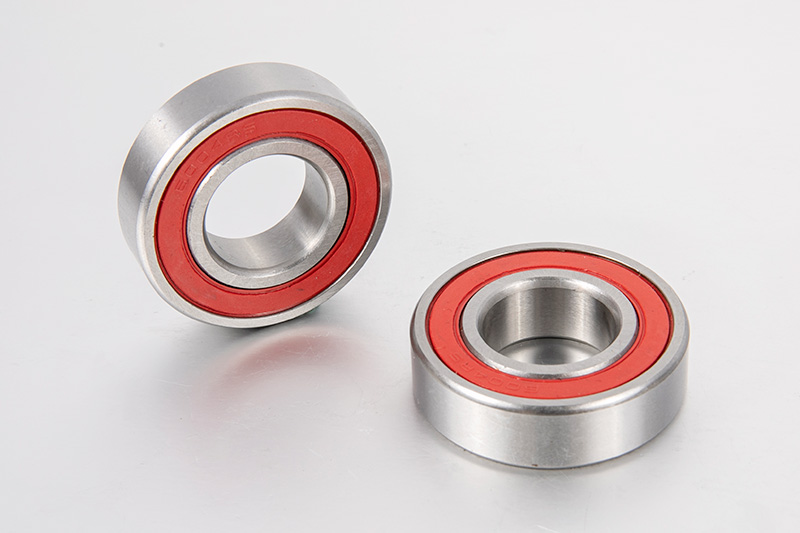 Series 6000 Two Contact Seals Deep Groove Ball Bearing1. Superior Sealing Performance: Total Protection Against ContaminationView Product →
For machines that require regular lubrication, choose a bearing design with an accessible grease path. A regreaseable insert bearing, such as the SER series, has a lubrication hole and a proper sealing system that allows maintenance personnel to add grease at the right interval without overfilling the cavity.
Bearing over greasing is a preventable lubrication error. It increases heat, damages seals, wastes energy, and shortens bearing life. The best defense is to calculate the correct grease volume, use a controlled lubrication method, and check the bearing temperature after greasing.
When you choose a bearing for your application, consider how the design supports lubrication management. A sealed bearing reduces the need for periodic greasing, while a regreaseable bearing gives you more control when maintenance is required. The right bearing, combined with the right grease volume and interval, will provide the service life your equipment was designed for.

Product Overview The Series 1600 Deep Groove Ball ...
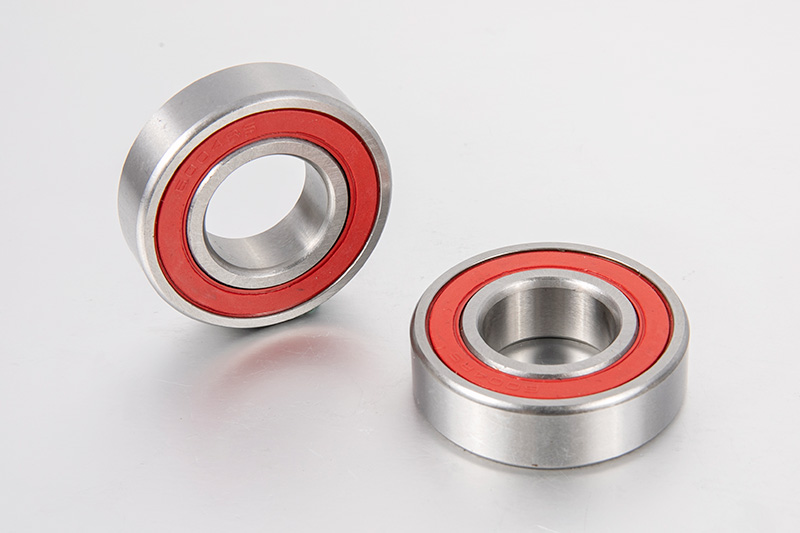
Key Features & Benefits 1. Superior Sealing Pe...

Product Overview:The 6200 Series Deep Groove Ball ...
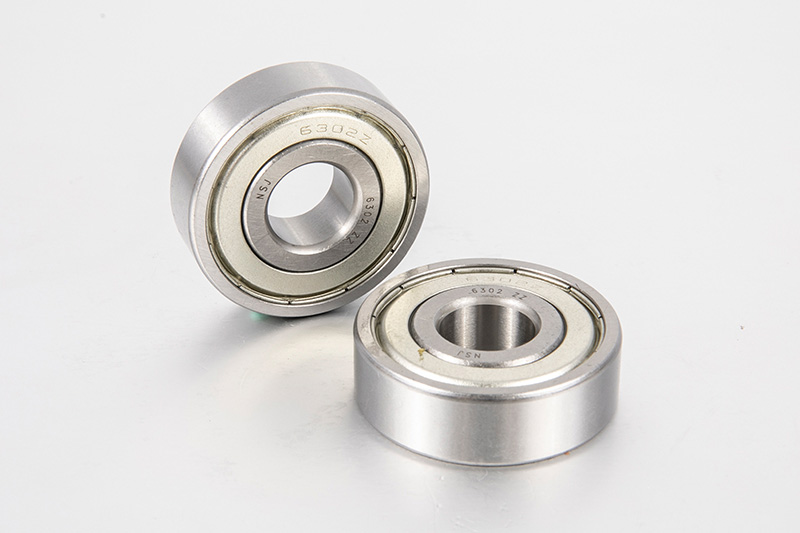
Core Differentiators: Enhanced Load Capacity: Unl...
Core Technical Advantages: Maximum Space Efficien...