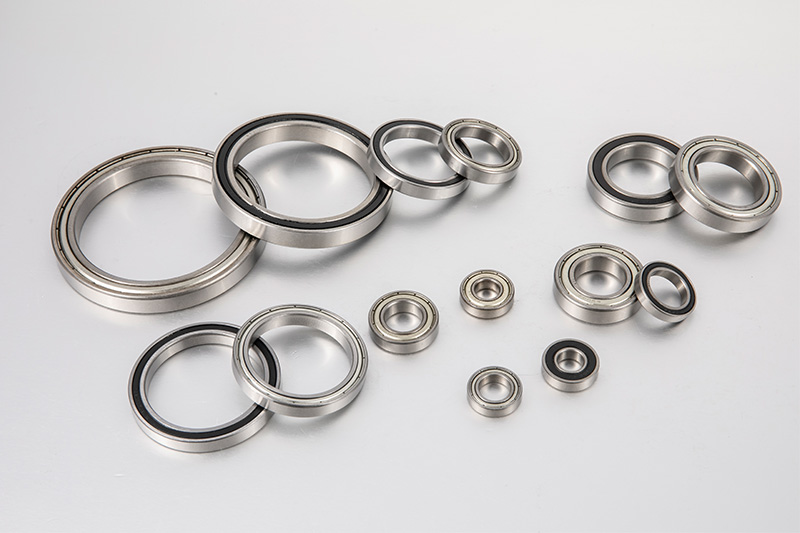
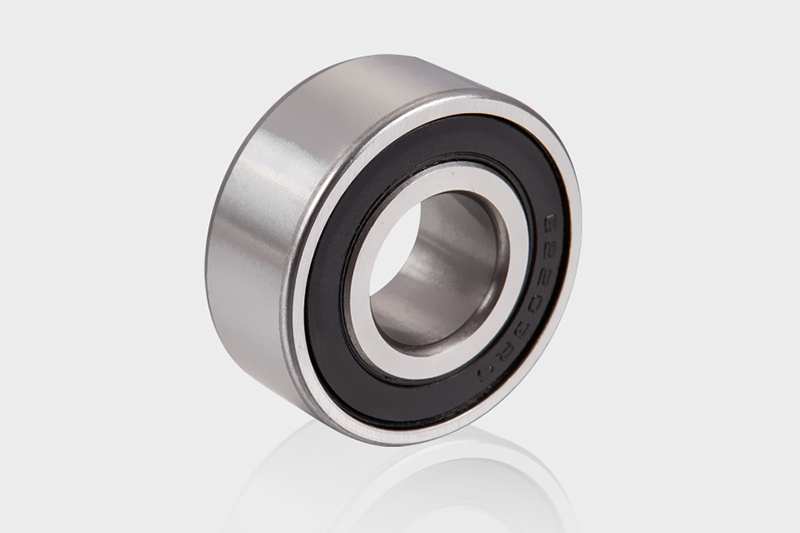
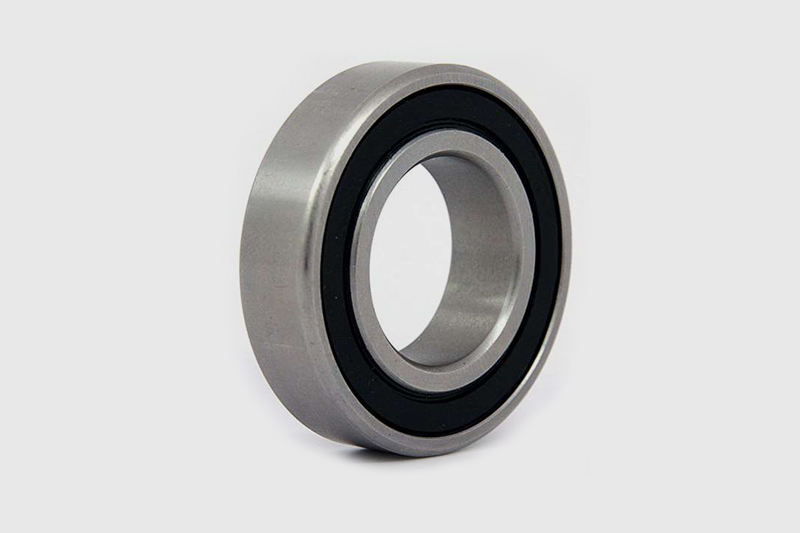
Series 1600 Chrome Steel Deep Groove Ball Bearing
Product Overview The Series 1600 Deep Groove Ball ...




Content
When buying deep groove ball bearings, the five specifications that matter most are bore diameter, outer diameter and width, load rating (dynamic and static), seal or shield type, and speed rating. Getting any one of these wrong can lead to premature failure, excessive noise, or a bearing that simply doesn't fit the housing or shaft. Beyond these core dimensions, factors like internal clearance, cage material, and lubricant type determine how well the bearing performs in your specific operating environment.
Step 1: Confirm the Basic Dimensions
Every deep groove ball bearing is defined by three core measurements: bore diameter (d), outer diameter (D), and width (B). These must match your shaft and housing specifications exactly — there is no acceptable margin for error here, unlike load rating where you can often size up for safety.
Most deep groove ball bearings follow standardized ISO dimension series, commonly labeled with a four- or five-digit part number (such as 6205 or 6305). The first digit(s) indicate the series (light, medium, or heavy), and the last two digits multiplied by 5 give the bore diameter in millimeters — for example, a 6205 bearing has a 25mm bore. Knowing this coding system helps you quickly cross-reference bearings between different manufacturers.
This value represents the constant load a bearing can theoretically withstand for one million revolutions without fatigue failure. It's the primary figure used to calculate expected bearing life under rotating conditions, so it should always exceed your application's actual operating load with a reasonable safety margin — typically a safety factor of 1.5 to 2 times the expected load is recommended for standard industrial use.
This is the maximum load the bearing can handle while stationary or rotating very slowly without permanent deformation to the balls or raceways. It matters most in applications with heavy static loads, shock loading, or slow oscillating motion, such as machine bases or support rollers.
The sealing configuration determines how well a bearing resists contamination and retains lubricant — a critical factor in service life, especially in dirty or wet environments.
| Type | Protection Level | Best For |
|---|---|---|
| Open (no seal) | None | Clean environments with external lubrication systems |
| Shielded (ZZ) | Moderate | Light-duty machinery, low-contamination settings |
| Rubber Sealed (2RS) | High | Dusty, wet, or outdoor environments |
| Non-Contact Sealed (RSL/VV) | High, low friction | High-speed applications needing contamination protection |
Contact-type rubber seals (2RS) offer the best contamination protection but add friction, reducing maximum speed by roughly 20-30% compared to an open or shielded bearing of the same size. If your application runs at high RPM in a relatively clean environment, a shielded or non-contact sealed design is usually the better trade-off.
Every deep groove ball bearing has a maximum speed rating, usually expressed in RPM, based on the bearing's size, internal design, cage material, and lubrication type. Exceeding this rating causes excessive heat buildup, which accelerates lubricant breakdown and can lead to rapid bearing failure.
For reference, a typical small deep groove ball bearing (such as a 6203 open bearing) may be rated for grease speeds up to around 19,000 rpm, while the same bearing with rubber seals might drop to closer to 14,000 rpm. Always check the manufacturer's datasheet rather than assuming based on bearing series alone.
Internal clearance refers to the amount of internal play between the balls and raceways before mounting. Standard clearance (C0) works for most general applications, but many applications benefit from adjusted clearance classes:
Choosing the wrong clearance class is a common but avoidable mistake — for example, using standard clearance in a high-temperature electric motor application can eliminate all internal play once the bearing heats up, leading to increased friction, noise, and premature failure, which is why C3 clearance is so commonly specified for motor bearings.
The cage (or retainer) keeps the balls evenly spaced and affects both noise level and maximum operating speed. Common materials include stamped steel (durable, cost-effective, standard for most applications), machined brass (used in higher-speed or higher-load applications for added strength), and molded polyamide/nylon (lighter weight, quieter operation, common in electric motors and appliances).
Lubrication type also matters: general-purpose lithium grease suits most standard applications, while high-temperature or food-grade greases are necessary for specialized environments. If the bearing will operate in extreme temperatures (below -20°C or above 120°C), confirm the grease's operating range matches your conditions, since standard grease can harden or break down outside its rated temperature band.
| Specification | Why It Matters |
|---|---|
| Bore / OD / Width | Must physically fit shaft and housing |
| Dynamic Load Rating | Determines fatigue life under rotation |
| Static Load Rating | Prevents deformation under heavy static/shock load |
| Seal/Shield Type | Balances contamination protection vs. speed/friction |
| Speed Rating | Prevents overheating and premature failure |
| Internal Clearance | Accounts for thermal expansion and fit type |
Buying the right deep groove ball bearing comes down to matching six specifications to your application: dimensions, dynamic and static load ratings, seal type, speed rating, and internal clearance. Skipping any one of these — particularly clearance class and seal type — is a common cause of early bearing failure even when the bore size is correct. Always cross-check the manufacturer's datasheet against your actual operating conditions, including temperature and contamination exposure, rather than relying on part number alone.

Product Overview The Series 1600 Deep Groove Ball ...
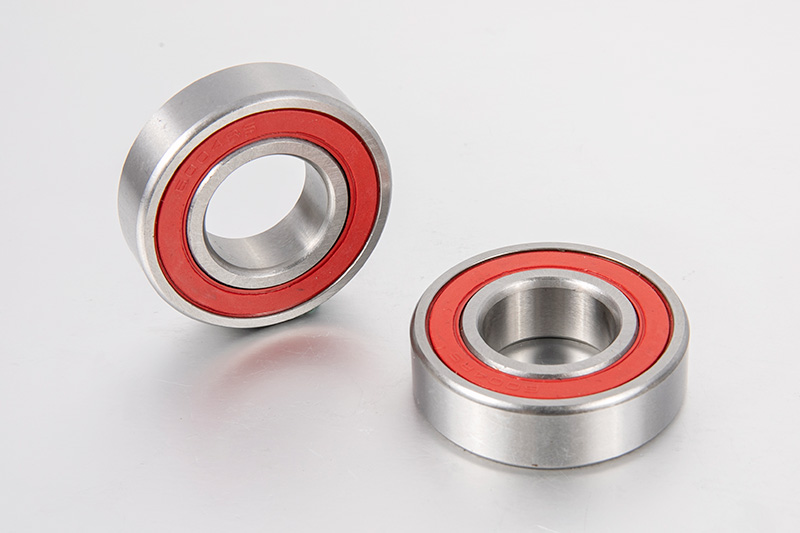
Key Features & Benefits 1. Superior Sealing Pe...

Product Overview:The 6200 Series Deep Groove Ball ...
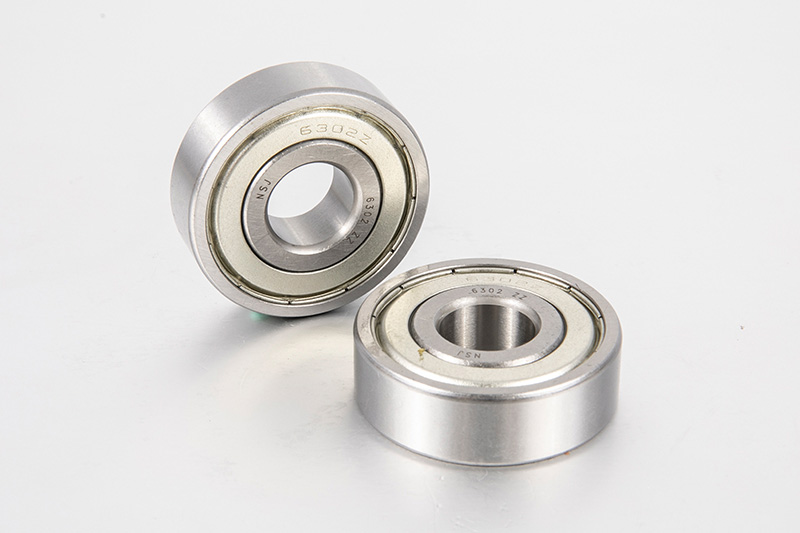
Core Differentiators: Enhanced Load Capacity: Unl...
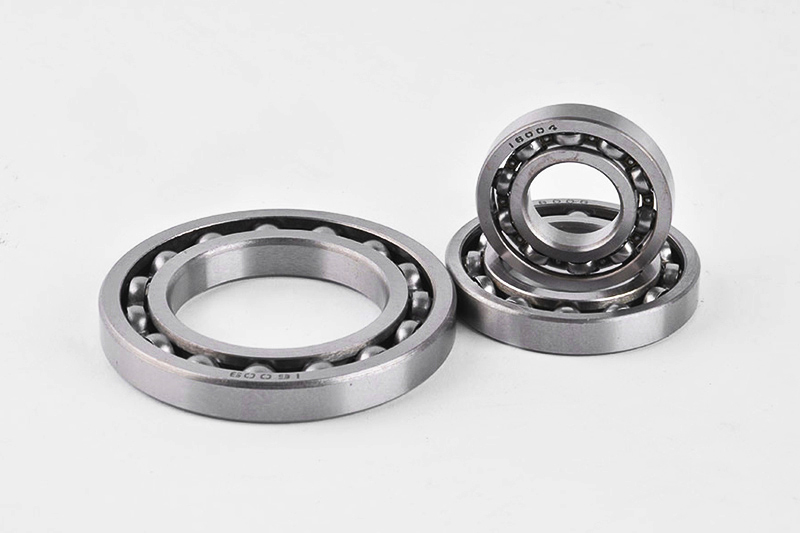
Core Technical Advantages: Maximum Space Efficien...