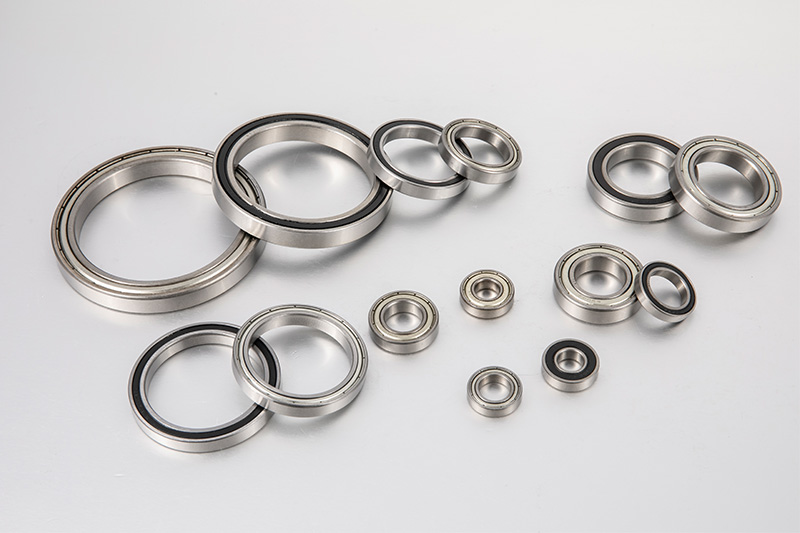
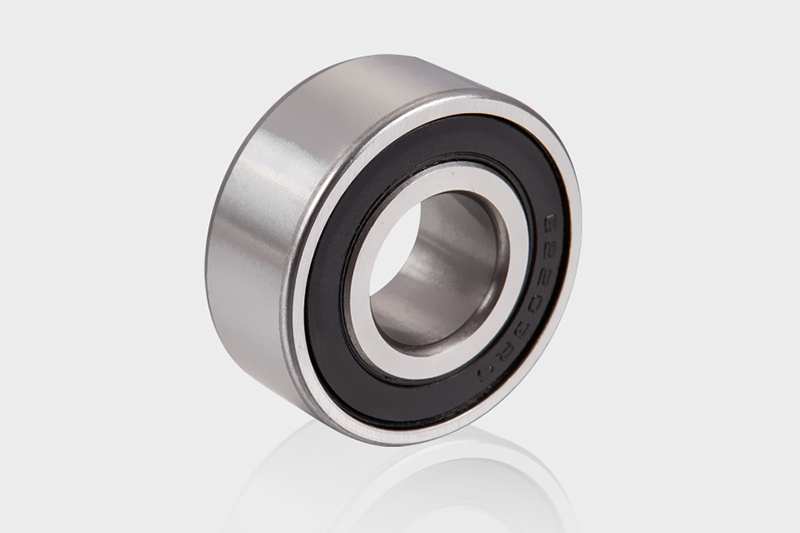
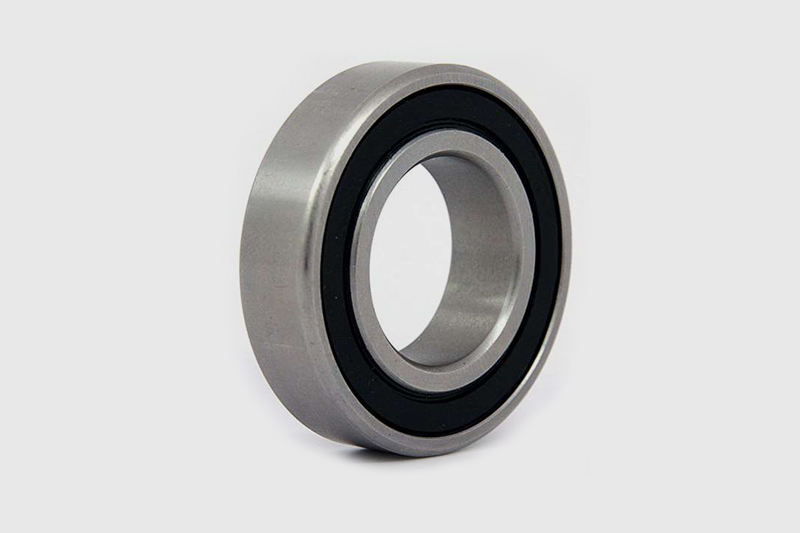
Series 1600 Chrome Steel Deep Groove Ball Bearing
Product Overview The Series 1600 Deep Groove Ball ...




Content
The best taper roller bearing for your application is one that matches your load direction, speed, temperature range, and maintenance environment — not simply the most expensive or most well-known brand. For most heavy-duty radial and axial combined-load applications, a single-row taper roller bearing in the 30000 series (ISO standard) from SKF, Timken, or FAG delivers the optimal balance of load capacity, longevity, and availability.
This guide walks you through exactly how to make that selection — with concrete specs, real application examples, and side-by-side comparisons.
A taper roller bearing uses conical rollers arranged between an inner race (cone) and an outer race (cup). The geometry of these tapered elements allows the bearing to handle simultaneous radial and axial (thrust) loads — something ball bearings and cylindrical roller bearings cannot do as efficiently.
Key principle: all contact lines of the rollers and raceways converge at a single point on the bearing axis. This ensures pure rolling contact and minimizes friction under load.
Choosing the wrong type is one of the most common and costly mistakes in bearing selection. Here is a breakdown of the four main types:
| Type | Rows | Load Handling | Typical Application | ISO Prefix |
|---|---|---|---|---|
| Single-row | 1 | Radial + one-directional axial | Vehicle wheel hubs, gearboxes | 300xx / 320xx / 330xx |
| Double-row (back-to-back) | 2 | Radial + bidirectional axial | Crane travel wheels, rolling mills | 352xx / 353xx |
| Four-row | 4 | Very high radial + bidirectional axial | Steel rolling mill work rolls | FC / FCD series |
| Matched pair (face-to-face) | 2 (separate) | Radial + bidirectional axial | Machine tool spindles, pumps | DF / DB arrangement |
Rule of thumb: If your shaft experiences thrust loads in only one direction, a single-row bearing mounted in opposition (X- or O-arrangement) is sufficient. If thrust acts in both directions simultaneously and space is limited, go with a double-row unit.
Taper roller bearings are rated by two values: Dynamic Load Rating (C) for rotating applications, and Static Load Rating (C₀) for stationary or slow-speed loads. Always calculate your equivalent dynamic bearing load (P) using the formula:
P = X · Fr + Y · Fa — where Fr = radial force, Fa = axial force, and X/Y are factors from the bearing datasheet.
For example, a truck front wheel hub typically experiences a radial load of 15–25 kN and an axial load of 3–8 kN during cornering. A Timken 32215 (C = 163 kN, C₀ = 216 kN) is a common match for this profile.
Taper roller bearings have lower speed limits than ball bearings. Their limiting speed depends on the bearing bore diameter (d) and mean diameter (dm). Most taper roller bearings operate at ndm values between 300,000 and 600,000 mm·rpm — well suited for low-to-medium speed machinery but not high-speed spindles above 5,000 rpm.
Contact angle determines the ratio of axial to radial load capacity. Standard angles fall in the range of 10°–16° for general purpose (30000 series), while steep-angle variants (28°–30°, 313xx series) handle higher thrust but lower radial loads. Match this to your actual load ratio before ordering.
Unlike most bearing types, taper roller bearings must be adjusted during mounting. Incorrect axial clearance is a leading cause of premature failure. Too much clearance causes roller skewing and edge loading; too much preload generates heat and accelerated fatigue. For automotive wheel bearings, typical recommended end-play is 0.025–0.10 mm. Always follow the OEM or bearing manufacturer's adjustment procedure.
Taper roller bearings can run on grease or oil. Grease is preferred for sealed or infrequently maintained applications; oil circulation suits high-speed or high-temperature environments. Using the wrong grease NLGI grade (e.g., NLGI 2 instead of NLGI 3 in a high-temperature wheel hub) can cut bearing life by 40% or more.
Brand choice matters less than specification compliance — but manufacturing quality, availability, and technical support vary significantly. Here is how the major suppliers compare:
| Brand | Origin | Strengths | Best For | Price Level |
|---|---|---|---|---|
| Timken | USA | Pioneer of taper design; very wide product range; excellent fatigue life | Automotive, heavy trucks, mining | Medium–High |
| SKF | Sweden | Consistent tolerances; strong digital tools (bearing select software) | Industrial machinery, wind energy | Medium–High |
| FAG (Schaeffler) | Germany | Tight manufacturing tolerances; strong in precision applications | Machine tools, rail vehicles | Medium–High |
| NSK | Japan | Excellent noise and vibration performance; strong OEM supply | Automotive OEM, conveyors | Medium |
| NACHI / NTN | Japan | Competitive pricing; good aftermarket availability | General industrial, agriculture | Low–Medium |
Avoid uncertified generic brands for critical load-bearing positions. Counterfeit bearings have been found with case-hardening depths of only 0.4 mm versus the standard 1.2–2.0 mm, leading to surface fatigue failure within hundreds of hours instead of tens of thousands.
Here is a practical reference matching real-world applications to the most commonly specified taper roller bearing series:
Understanding the designation system prevents costly ordering mistakes. Using the ISO/ANSI designation as an example — 32210 A/Q:
Note: Timken uses an inch-based part number system (e.g., L68149/L68110) for its North American automotive line, which is not directly interchangeable with ISO metric numbers even when dimensions appear similar.
Studies by major bearing manufacturers show that over 50% of premature bearing failures are caused by improper installation or lubrication — not material defects. Following these steps directly reduces downtime costs:
Before placing an order, confirm you have answered each of the following:
Completing this checklist before contacting a supplier or using an online bearing selection tool will cut your selection time in half and dramatically reduce the risk of a costly mismatch.

Product Overview The Series 1600 Deep Groove Ball ...
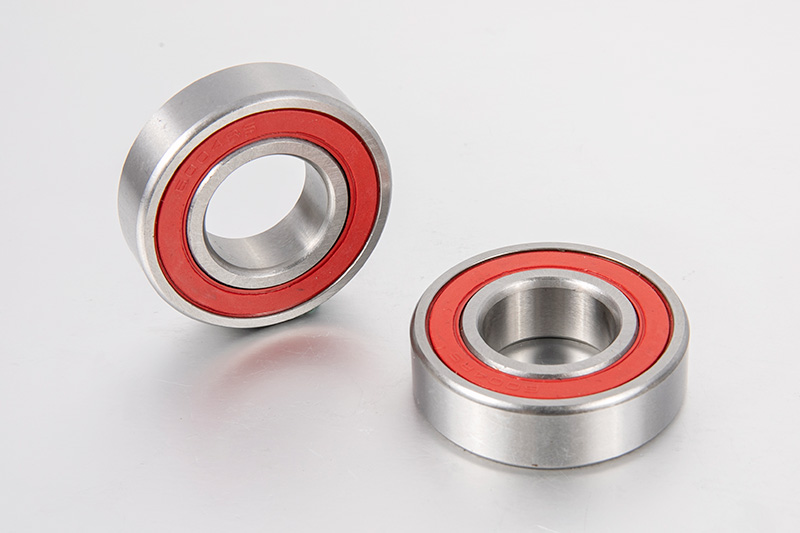
Key Features & Benefits 1. Superior Sealing Pe...

Product Overview:The 6200 Series Deep Groove Ball ...
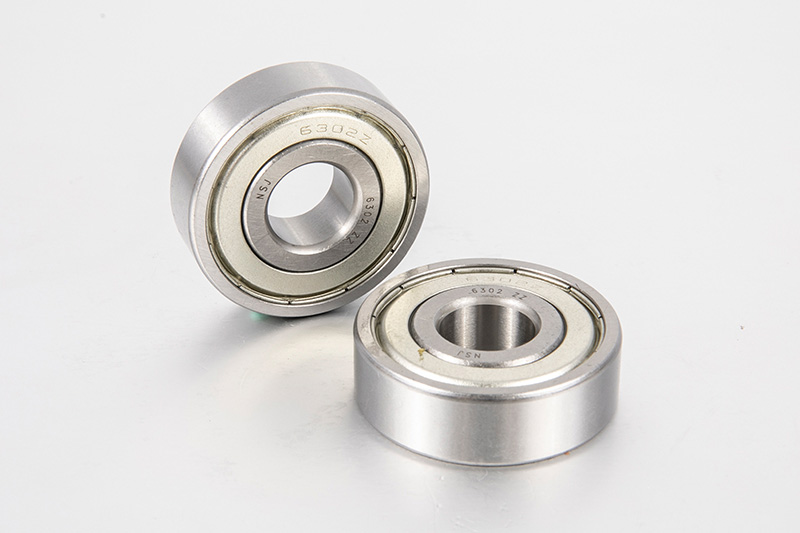
Core Differentiators: Enhanced Load Capacity: Unl...
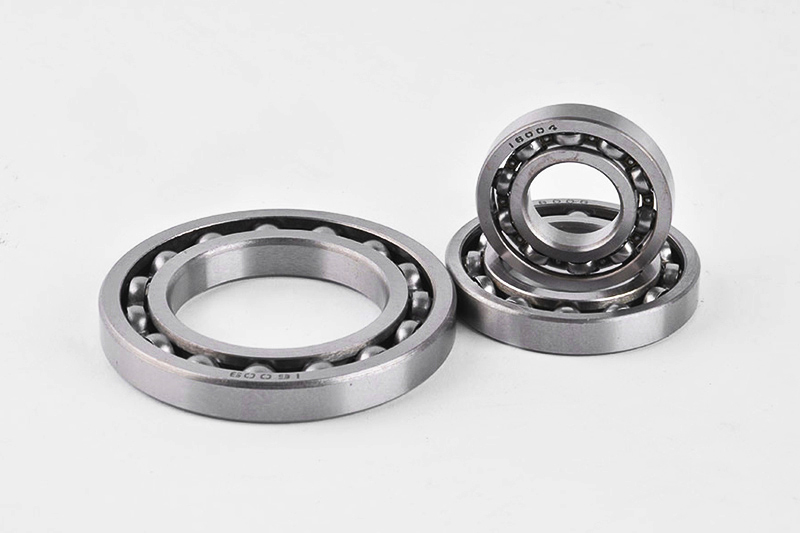
Core Technical Advantages: Maximum Space Efficien...